Search


22 Apr 2026
Search
22 Apr 2026

Please allow ads as they help fund our trusted local news content.
Kindly add us to your ad blocker whitelist.
If you want further access to Ireland's best local journalism, consider contributing and/or subscribing to our free daily Newsletter .
Support our mission and join our community now.
To continue reading this article, you can subscribe for as little as €0.50 per week which will also give you access to all of our premium content and archived articles!
Alternatively, you can pay €0.50 per article, capped at €1 per day.
Thank you for supporting Ireland's best local journalism!


A 45-year-old woman born with two congenital heart defects that make her heart stop for up to 14 seconds at a time and caused a stroke at 26 said she’s had nine “interventions” over three decades, including open-heart surgery, after doctors found a “gaping hole” in it.
Angeliki Asimaki, a cardiac specialist living in London, said her condition means she can’t run for the bus or walk up multiple flights of stairs, but it’s “definitely” the basis for why she’s devoted her life to heart research.
Through her British Heart Foundation-funded research at City St George’s, University of London, she said she has discovered a ground-breaking cheek swab that can diagnose and monitor arrhythmogenic cardiomyopathy (ACM), which is a condition that carries a high risk of sudden cardiac death.
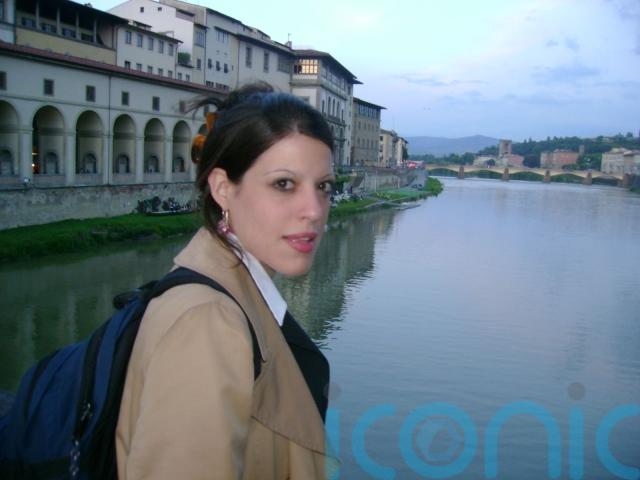
Born and raised in Athens, Greece, Angeliki said she first experienced symptoms from the age of 15, which started out as dizziness and light-headedness and over the course of a few months turned into fainting up to six times a day.
With no history of heart disease in her family, Angeliki said she had extensive tests to determine if it was related to things like her brain, blood sugar, or thyroid, before doctors worked out that every time her heart raced above 120 beats per minute, it would stop for up to 14 seconds at a time.
Angeliki said she found out at 15 she had an intermittent complete AV block, which meant that “no electricity was flowing from the upper to the lower chambers” of her heart, meaning she needed a pacemaker.
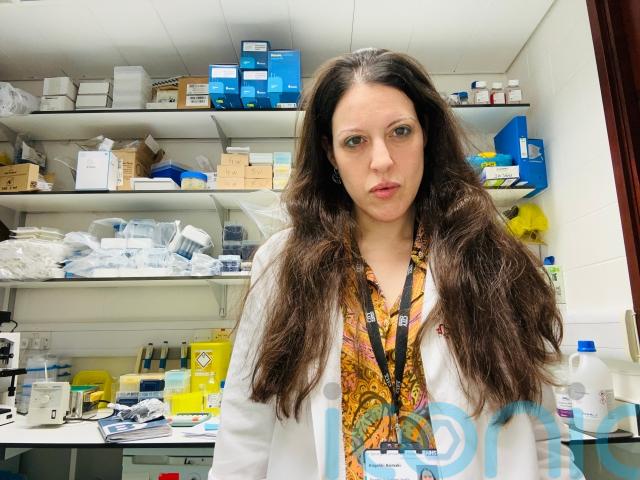
She told PA Real Life: “When I was first diagnosed I thought that my life was over. I was so scared and angry.
“I was fainting so frequently during the day that I had reached the point that I couldn’t leave my bedroom and go to the bathroom without having to ask a parent to accompany me, just in case I fell in the corridor.”
Within six months of her symptoms starting, Angeliki said things moved “quite rapidly” and she had a pacemaker fitted.
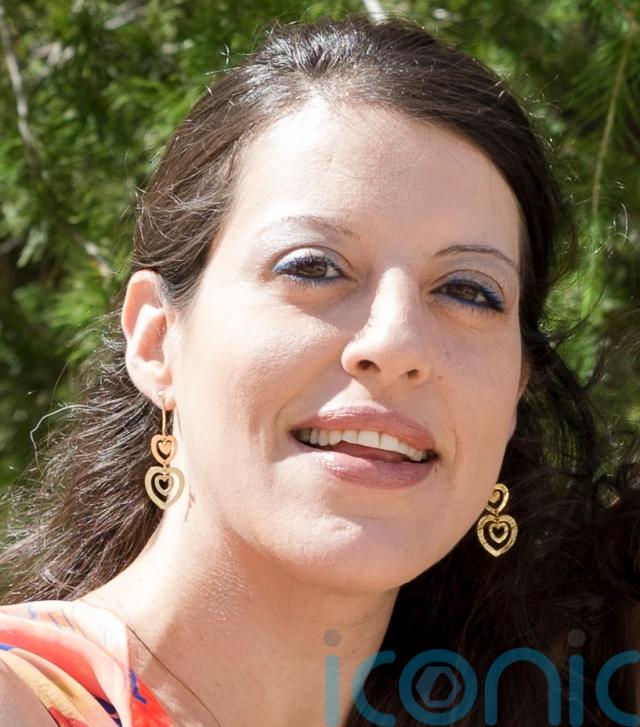
“When you are a teenager and you are told that the only way to stay alive is if you have a machine helping your heart beat, you feel like your wings are being cut off,” she said.
“At this age, people feel like they are invincible, and then all of a sudden, my heart needs a device in order to work. So I was very angry.”
Angeliki said her life changed instantly because pacemakers in the 1990s couldn’t withstand magnetic fields, so she wasn’t allowed to use microwaves or be in confined spaces like cabs with anyone who had a mobile phone switched on.
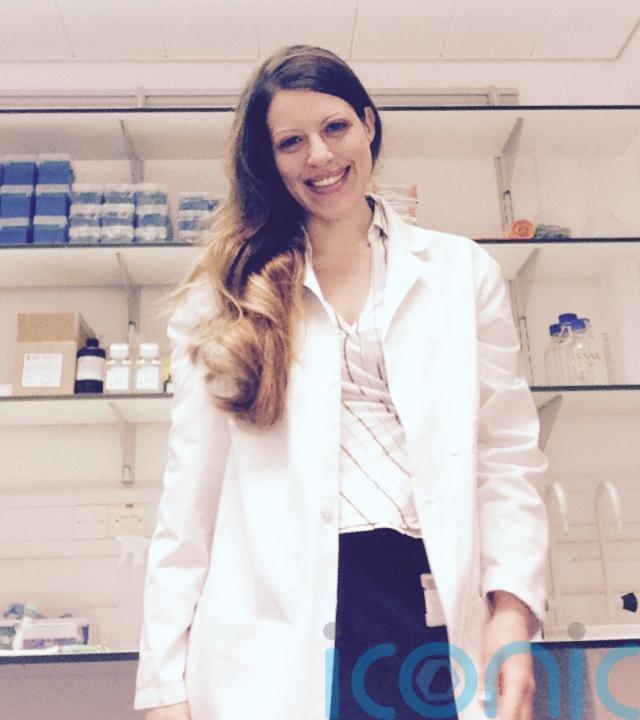
At 21, Angeliki said the battery for her pacemaker ran out, meaning she had to get it replaced. In the years since, Angeliki said this has happened four more times, with her most recent battery – which is MRI-compatible – fitted two years ago at St George’s Hospital in London.
But Angeliki’s heart problems didn’t stop there. After a combination of a pulmonary embolism and bout of pneumonia at 21, Angeliki said she had a “long hospital stay” and was prescribed blood thinning medication.
Then, at 26, she said she suddenly noticed an inability to focus her right eye while she was trying to read a book on a flight from Boston to Athens. Angeliki said she just thought that her “contact lenses were not working”, but within 24 hours, the entire right side of her body became weak.
Angeliki was rushed to hospital, where doctors informed her she was having a haemorrhagic stroke, which is when a weakened blood vessel in the brain ruptures. She was put on high doses of steroids to control brain inflammation.
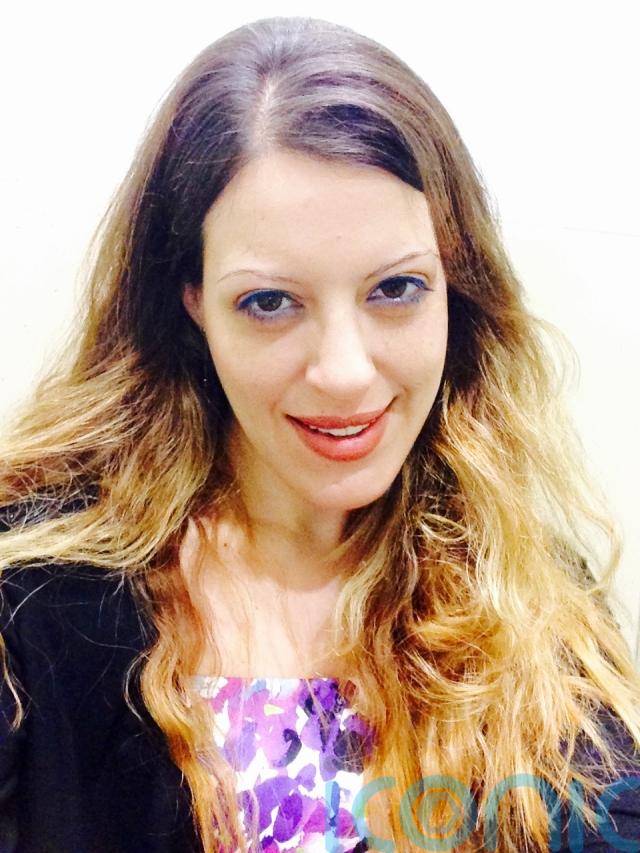
It wasn’t until she was 29, when she had a seven-hour surgery to replace the leads of the pacemaker because the batteries were running out too quickly, that she said she found out why these problems were happening to her.
“When I woke up from that surgery, the surgeon looked worse than me,” Angeliki said. “He came to tell me that the leads (of the pacemaker) were in a horrible condition,” so he said he replaced them for her.
She added: “But then he said: ‘Angeliki, you have a hole in your heart!’ And I started laughing. I mean, I was coming out of anaesthesia, but I thought he was cracking a joke.
“I said: ‘What are you talking about? There’s no hole in my heart. They’ve been checking my heart for 10 years now.’ He said: ‘No, there’s a gaping hole in your heart, so we need to discuss this once you’ve recovered from surgery.’ It was surreal,” she said.
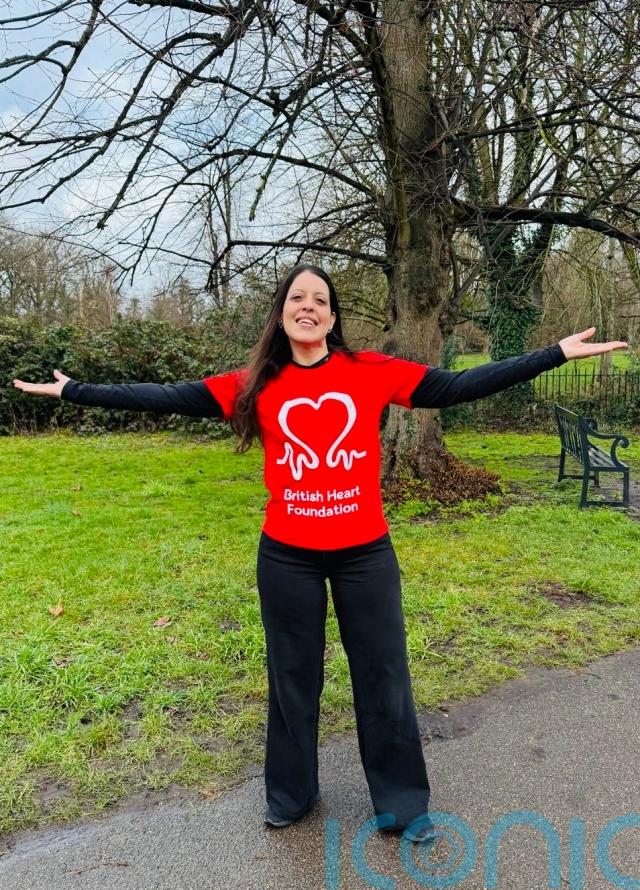
Angeliki said she needed six months after this surgery for “the new pacemaker leads to settle” and then she had open-heart surgery to “physically stitch up the hole”, and commended the surgeon who did “incredible work”.
Adding up every heart intervention, Angeliki said she’s had five on her pacemaker, three ablations (which are catheter-based procedures used to treat heart rhythm problems) and one open-heart surgery – so nine in total.
“Looking back, I think it would have been better if I had gotten both diagnoses at the same time,” she said. “Because it felt like I was only just coming to terms with one of my problems and then all of a sudden you are dumping a second problem on me.”
“I felt angry with the doctors that were looking after me in Greece. I felt like they could have picked up on this a little earlier and saved me a lot of grief,” she said.
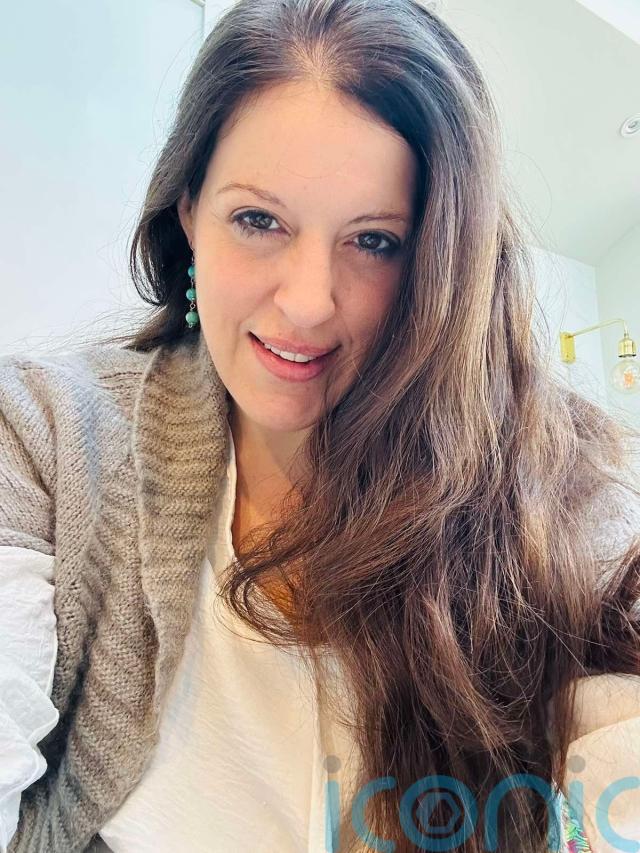
But Angeliki said her subsequent career as a leading sudden cardiac death expert is a “no brainer” because she “really wanted to help people that had similar problems” to her.
Angeliki moved to London after high school to study at university and then did a PhD in cardiomyopathies (a group of diseases affecting the heart muscle) at Middlesex Hospital, before she interned at Harvard University in Boston and ended up as a faculty member there, staying in the United States for 11 years.
Since moving back to London in 2017 at 36, Angeliki said she has developed a method of diagnosing and monitoring a heart condition known as arrhythmogenic cardiomyopathy (ACM) by doing an at-home cheek swab and looking at protein (building blocks) localisations, instead of a dangerous heart biopsy.
Angeliki said: “I’m not going to rest until I expand it to other diseases, but I can’t tell you much more about that because it’s not published yet. But we are getting there.”
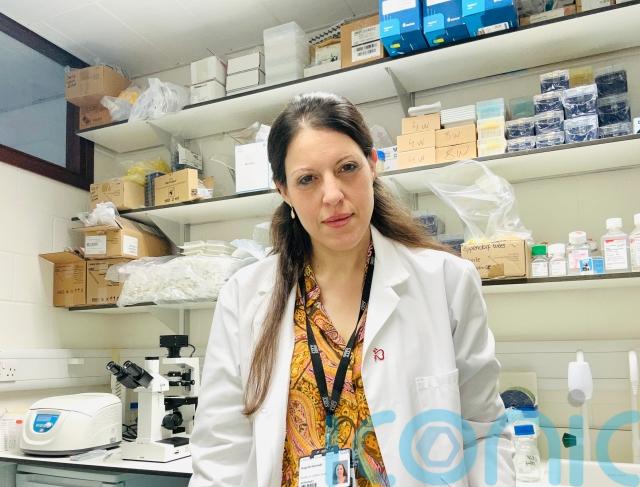
On how her personal health shapes her professional life, Angeliki said: “It is definitely the reason that I am very empathetic when I meet patients. I truly understand where they’re coming from, their fears and anxieties, and when they are nervous about the future. It is very easy for me to say: ‘I live on a device too and I’m doing well.’”
As for her personal life, Angeliki said she was thrilled to have her two healthy children, Michail in 2018 and Helena in 2021. They were “high-risk pregnancies” due to her congenital heart conditions, but she said they were both closely monitored by “massive multidisciplinary teams” who started imaging their hearts when they were in utero.
She added: “Looking back all these years, I could never have imagined how my life would turn out. So the major reason that I’m sharing my story is to give people hope.
“Let’s face it, I’m never going to be cured. I’m always going to be managed. But I want people to see that there are ways that you can turn out all right,” she said.
Angeliki is walking a total of 28 miles in the month of February to raise money for the British Heart Foundation. Donate via her JustGiving page here.

Subscribe or register today to discover more from DonegalLive.ie
Buy the e-paper of the Donegal Democrat, Donegal People's Press, Donegal Post and Inish Times here for instant access to Donegal's premier news titles.
Keep up with the latest news from Donegal with our daily newsletter featuring the most important stories of the day delivered to your inbox every evening at 5pm.

This publication supports the work of the Press Council of Ireland and Office of the Press Ombudsman, and our staff operate within the Code of Practice of the Press Council. You can obtain a copy of the Code, or contact the Council, at www.presscouncil.ie, Lo-call 1800 208 080 or email: info@presscouncil.ie.