'You're expecting a gun': Woman shares details of 'terrifying' incident where she was flashed off the road
Search


24 Feb 2026

Please allow ads as they help fund our trusted local news content.
Kindly add us to your ad blocker whitelist.
If you want further access to Ireland's best local journalism, consider contributing and/or subscribing to our free daily Newsletter .
Support our mission and join our community now.
To continue reading this article, you can subscribe for as little as €0.50 per week which will also give you access to all of our premium content and archived articles!
Alternatively, you can pay €0.50 per article, capped at €1 per day.
Thank you for supporting Ireland's best local journalism!


Twin sisters from Cardiff who believed they were fraternal twins for decades have discovered they are, in fact, identical after a leukaemia diagnosis at 23.
Caitlin and Grace Leggett, 23, had believed that they were dizygotic twins – created from two separate eggs that were fertilised by two different sperm – for most of their lives.
They have always been very close as twin sisters. Growing up together in Cardiff, they were peas in a pod, sharing lots of the same hobbies including competing in athletics together for years.
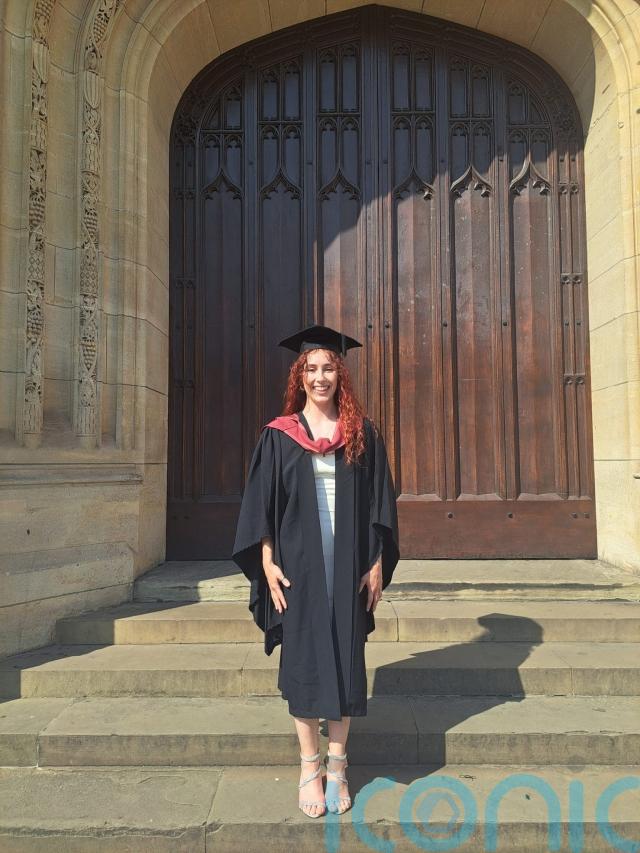
They both went to the University of Bristol, with Caitlin studying Psychology and Grace studying Neuroscience – coincidentally going on to complete a Master’s in stem cells and regeneration – and the sisters shared a student house, remaining the best of friends.
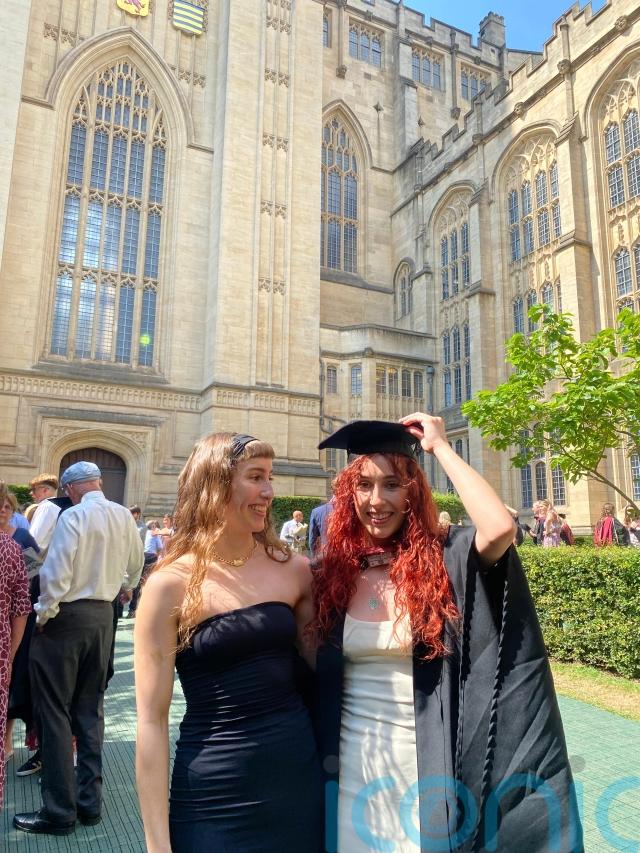
After graduating, Caitlin had planned to join the Army, wanting to train as an Intelligence Officer. She had her requisite medical assessment booked in for April 2025, but in March of that year she developed a rash that wasn’t going away despite using creams from the pharmacy.
She went to her GP, who thought she may have a virus and ordered some blood tests to investigate, which were taken on April 3, 2025.
That night, at around 12.30am on April 4, Caitlin received an urgent call from the out-of-hours GP instructing her to head straight to A&E. At the hospital, she was told to come back the next morning for an appointment, but later received a call telling her to instead report to the Llewellyn Teenage Cancer Trust unit at University Hospital of Wales in Cardiff, so she immediately realised it wasn’t good news.
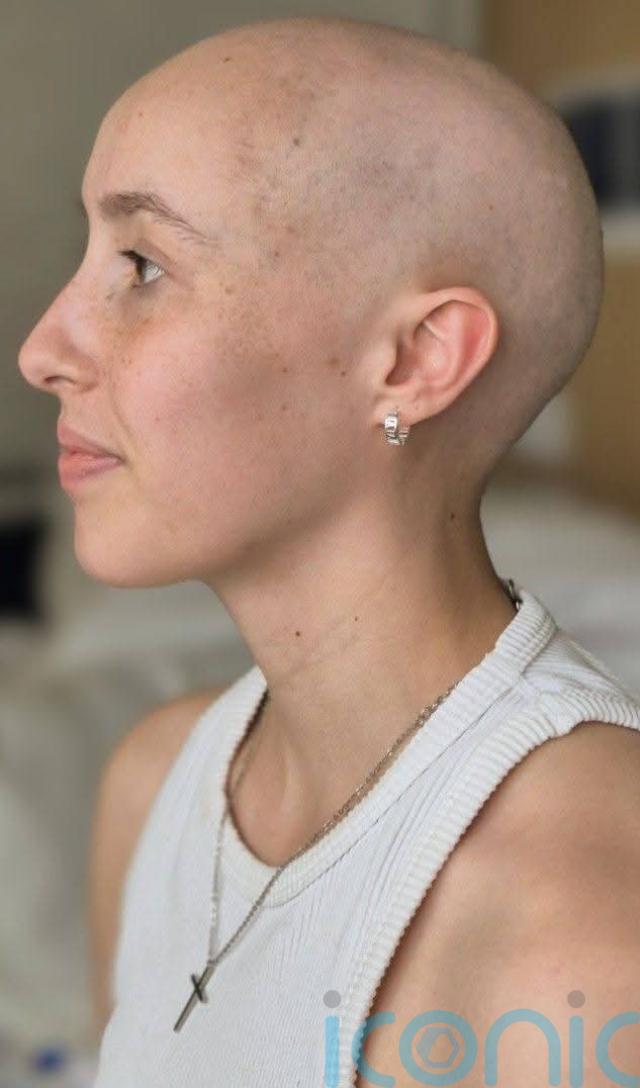
Indeed, at that appointment she was diagnosed with acute myeloid leukaemia – an aggressive cancer of the white blood cells.
According to the NHS, symptoms of AML can include looking pale, feeling tired or weak, breathlessness, unusual and frequent bruising or bleeding, and losing weight without trying to, but Caitlin said she experienced none of these – the unusual rash was the only sign of something being wrong.
She was told that treatment would involve chemotherapy, but also a stem cell transplant to replace the cancerous cells destroyed by the chemotherapy with healthy stem cells.
Both Caitlin and her sister Grace had registered as donors to the DKMS’s stem cell register “years and years ago”, and following Caitlin’s diagnosis her whole family was tested to see if any of them could be a match.
Initially, Grace was told that she would fit the bill – being her sibling, there was a high chance that her stem cells would be accepted by Caitlin’s body and would aid her recovery.
“I had to go to one of the hospitals in Cardiff and they did all the checks: my weight, they took around 15 little vials of blood to test for all different diseases and everything, checked heart rate and lungs,” Grace explained.
“Everything was fine, so they gave me a little pamphlet with all the information.
“And then I just had to wait.”
A short while later, Caitlin got a call from her consultant, who said that after looking through Grace’s results and “triple checking”, they realised that “every single marker that we’ve looked for is exactly the same, and we would expect different if you’re non-identical”, Caitlin explained, adding that the doctor concluded that they were, in fact, monozygotic twins.
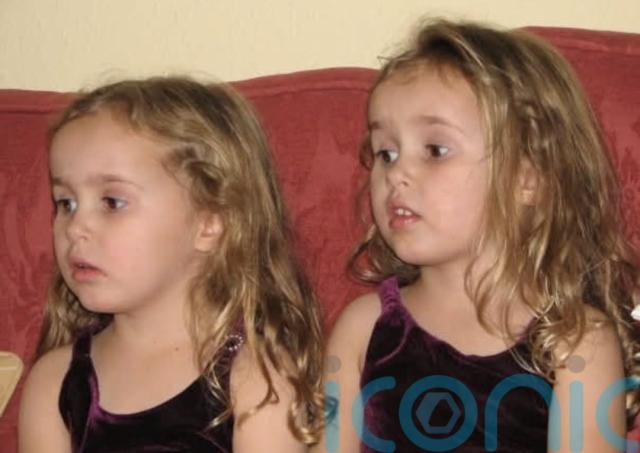
Caitlin and Grace said that they were told they were in different amniotic sacs in the womb, so their parents believed they were fraternal twins. However, identical twins can, and often do, develop in separate amniotic sacs.
“I always wished I was an identical twin – I liked being a twin, but being an identical twin is a bit cooler,” Grace said.
“It’s really weird to think that I’m basically Caitlin!”
While the twins were thrilled to learn they were closer than they’d imagined, the discovery also meant a setback for Caitlin’s treatment.
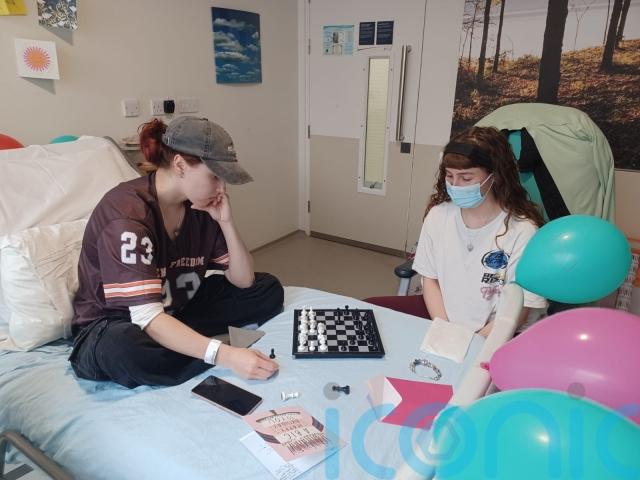
Grace could not donate her stem cells to Caitlin, as doctors advised that for the transplant to work, the body has to recognise the stem cells as foreign so the donor cells and the patients’ attack each other. The hope is that the donor cells ‘win’ the battle and kill the leukaemia. Since Caitlin and Grace have near-identical DNA, Caitlin said “the whole concept of the transplant wouldn’t work”.
Caitlin was already having chemotherapy, and thankfully “didn’t really get any side effects”, and her stem cell transplant had been planned for August 2025 thinking Grace was going to be the donor.
However, when that was found to not be possible, doctors then had to find an alternative donor from the register. They initially found a donor, but they needed to pull out – and in the meantime, Caitlin learned that the leukaemia was now in her skin.
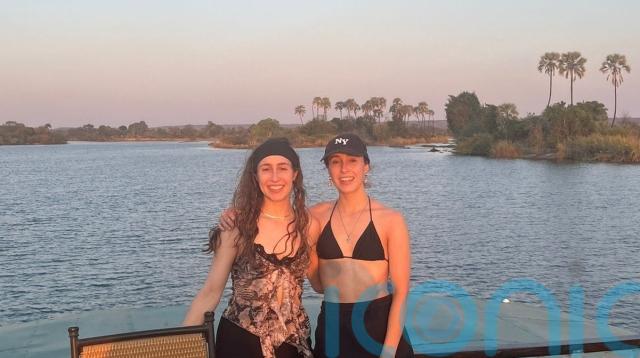
Because of this discovery, the transplant that had been planned for August was cancelled, and Caitlin took part in a clinical trial in Manchester to eliminate the leukaemia in her skin – as the transplant date was pushed back incrementally, by a week at a time, Caitlin wasn’t able to have more chemotherapy in the meantime.
Thankfully, the trial worked, and she was given another transplant date in December 2025 with another donor – she was lucky to have three partial matches, all of which were eligible to donate.
However, a week before this second transplant date, the cancer returned to her skin. The doctors decided to go ahead with the transplant anyway, but Caitlin needed extra full-body radiotherapy.
“The radiation was probably the worst,” Caitlin said, adding that the first day was particularly bad.
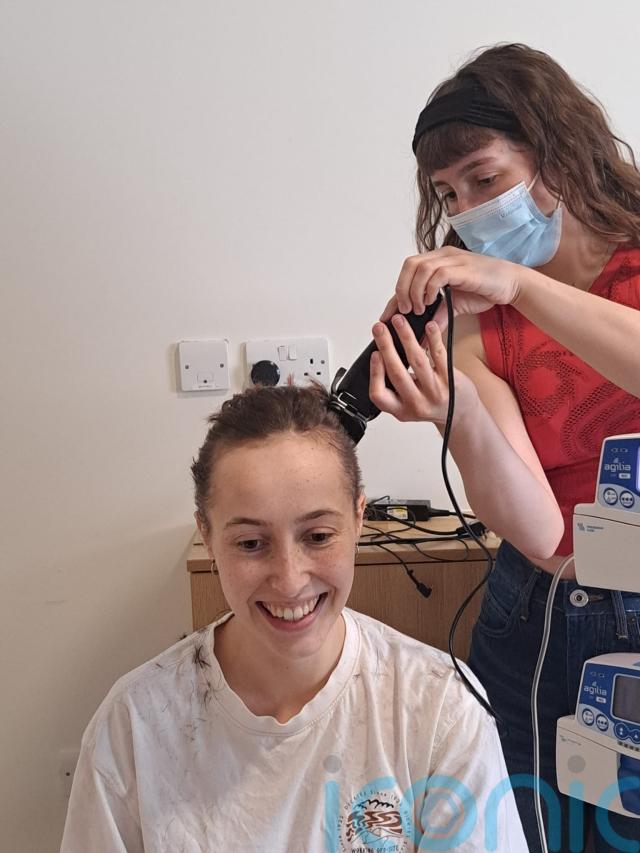
“I didn’t feel anything from chemo initially, but the first day of radiation, oh my God, I thought I was dying. It was crazy.
“I had, like, all the side effects on one day, but then by the second day, I got used to it, so I felt alright.”
In December 2025, Caitlin finally had her stem cell transplant from an anonymous donor, and it was successful. She didn’t suffer many side effects – she experienced an infection and some stomach issues, but said “it wasn’t really too bad, compared to some other people”.
After the successful transplant, Caitlin is now on a new drug trial, but still has a way to go in terms of her treatment. Her bone marrow will be monitored once a month for three months, and if those tests come back clear, the bone marrow checks will go down to once every three months, with regular clinical checks and blood tests.
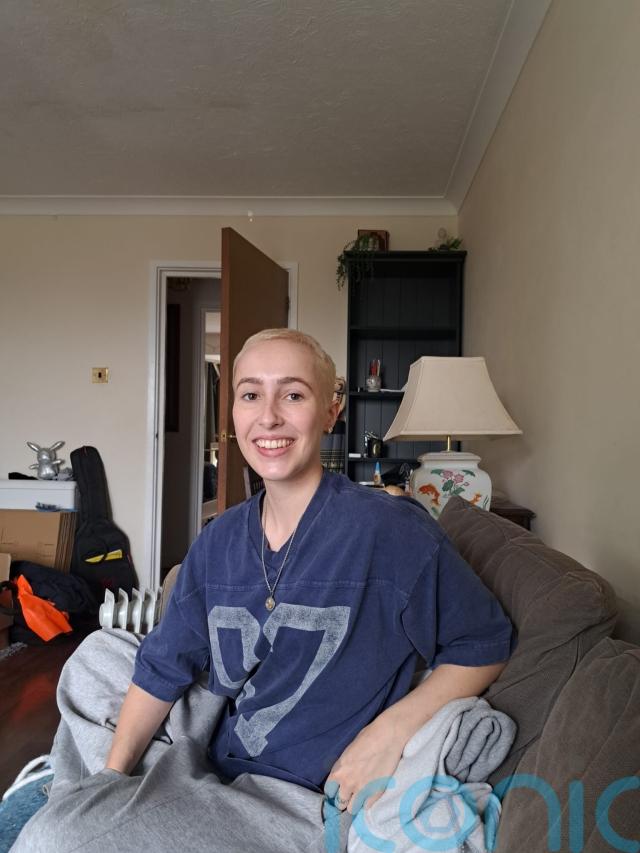
Grace and Caitlin both urge others to register as stem cell donors. According to DKMS, over 2,000 people each year in the UK need a blood stem cell transplant, but just 7% of the entire eligible population in the UK are registered as potential donors.
“I just think that the same way with if you donate blood, at some point in the future, if I needed blood, I would want some to be available to me. So it’s the same kind of thing: If I need stem cells in the future, like a transplant, hopefully I would get some,” Grace said.
“It takes maybe six hours maximum (to donate), and then for someone else, it changes their life. So I don’t see why you wouldn’t do it.”
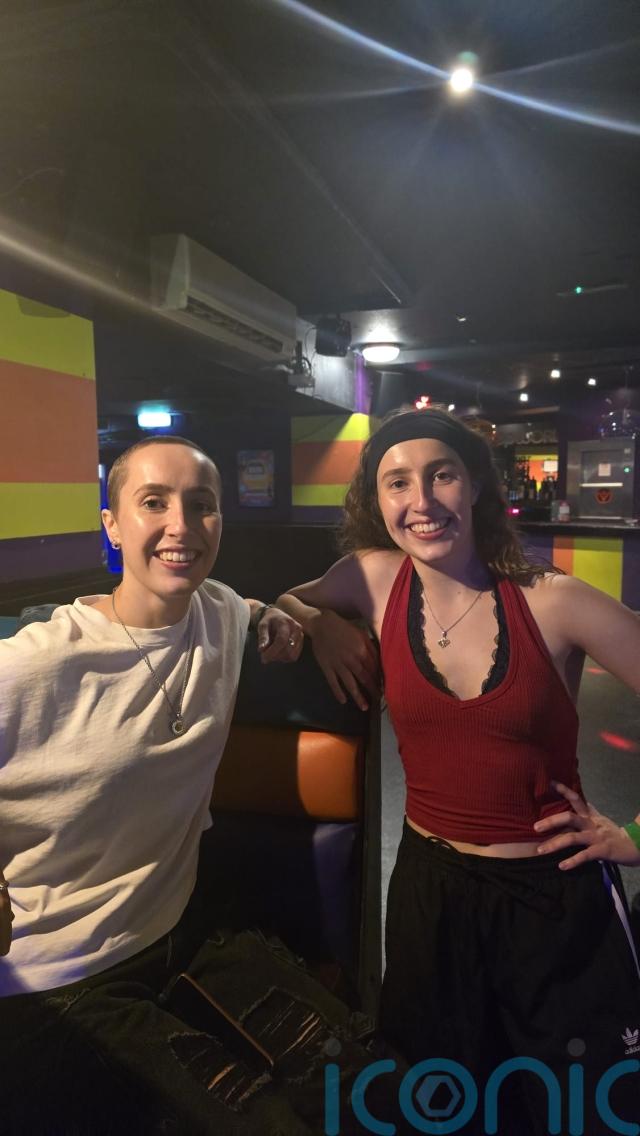
“It can happen to anyone, really,” Caitlin added.
“Obviously I didn’t expect anything to happen to me…
“It literally could be anyone.”
To find out more about DKMS and registering as a stem cell donor, visit www.dkms.org.uk.

Subscribe or register today to discover more from DonegalLive.ie
Buy the e-paper of the Donegal Democrat, Donegal People's Press, Donegal Post and Inish Times here for instant access to Donegal's premier news titles.
Keep up with the latest news from Donegal with our daily newsletter featuring the most important stories of the day delivered to your inbox every evening at 5pm.

This publication supports the work of the Press Council of Ireland and Office of the Press Ombudsman, and our staff operate within the Code of Practice of the Press Council. You can obtain a copy of the Code, or contact the Council, at www.presscouncil.ie, Lo-call 1800 208 080 or email: info@presscouncil.ie.