Search


21 Apr 2026
Search
21 Apr 2026

Please allow ads as they help fund our trusted local news content.
Kindly add us to your ad blocker whitelist.
If you want further access to Ireland's best local journalism, consider contributing and/or subscribing to our free daily Newsletter .
Support our mission and join our community now.
To continue reading this article, you can subscribe for as little as €0.50 per week which will also give you access to all of our premium content and archived articles!
Alternatively, you can pay €0.50 per article, capped at €1 per day.
Thank you for supporting Ireland's best local journalism!


A woman who suffered from debilitating menstrual pain and irregular periods said she was repeatedly dismissed by doctors for a decade, before getting diagnosed with polycystic ovary syndrome.
Olivia Ferro, 26, who grew up in Chicago, United States, began experiencing severe stomach pains around her periods at age 14, but said this was dismissed by her doctors as “hormone changes” until at age 15 a burst ovarian cyst led to an emergency appendectomy.
Olivia, who is single, continued having chronic pelvic pain and bloating, and was put on birth control at age 15 in an attempt to ease her symptoms.
Over the years, she endured several hospitalisations due to the pain and unexplained septic shock, as well as struggling to lose weight despite being “very active”.
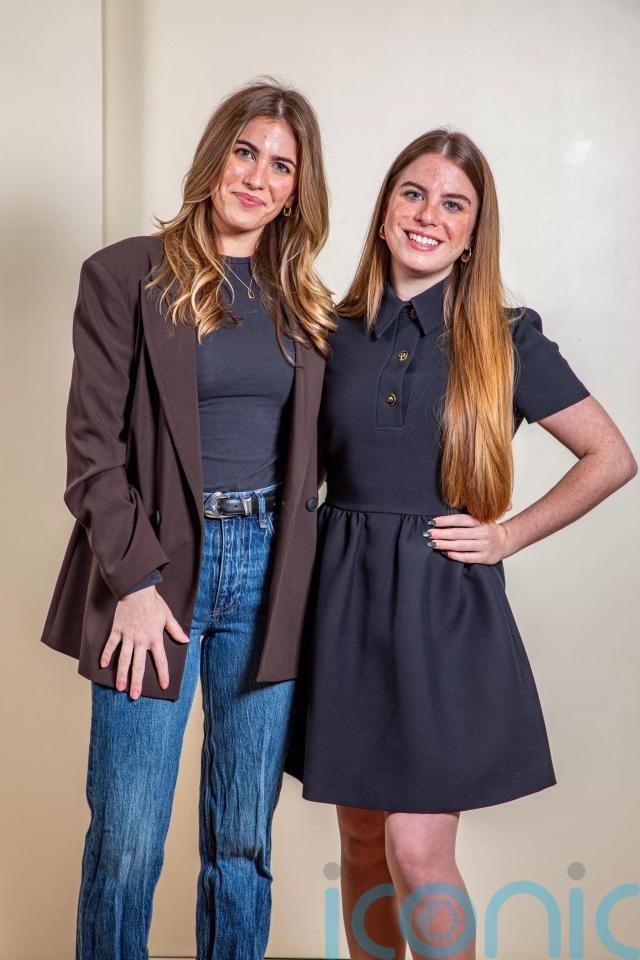
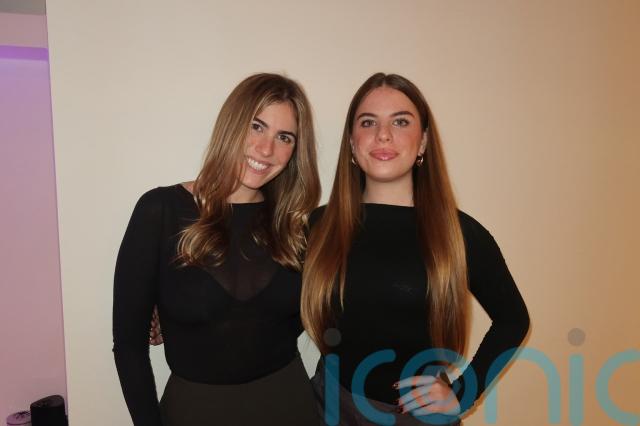
After moving from the United States to London in 2024 she launched a women’s health company focusing on GLP-1 medication with her sister, Chloe.
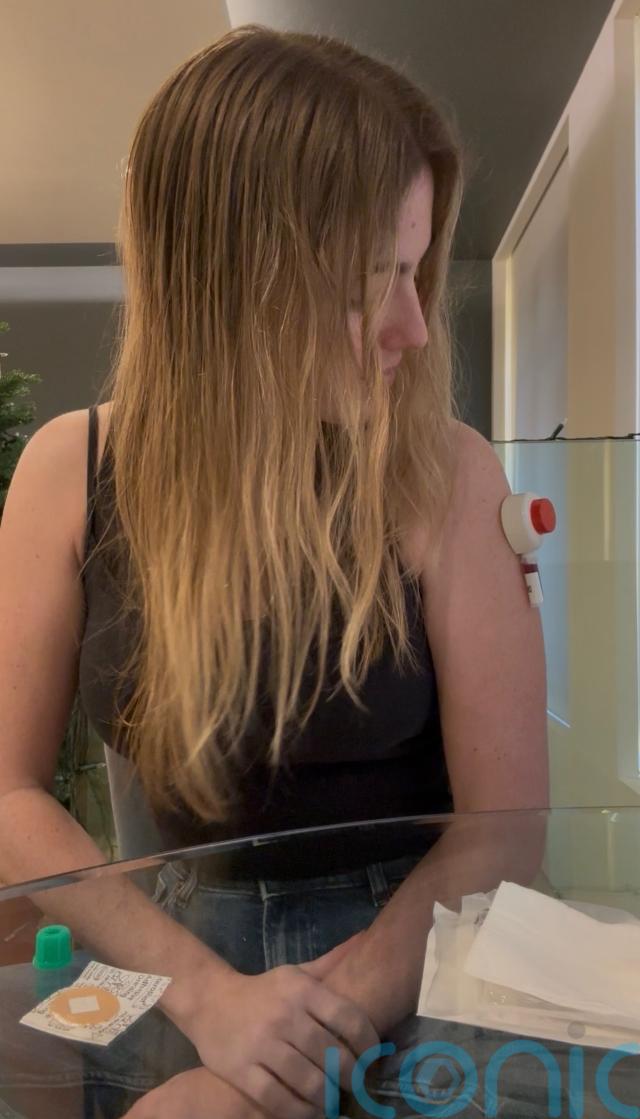
At the time, her periods were even more irregular, and she had private tests in the UK, and was finally diagnosed with polycystic ovary syndrome (PCOS) – which explained her symptoms.
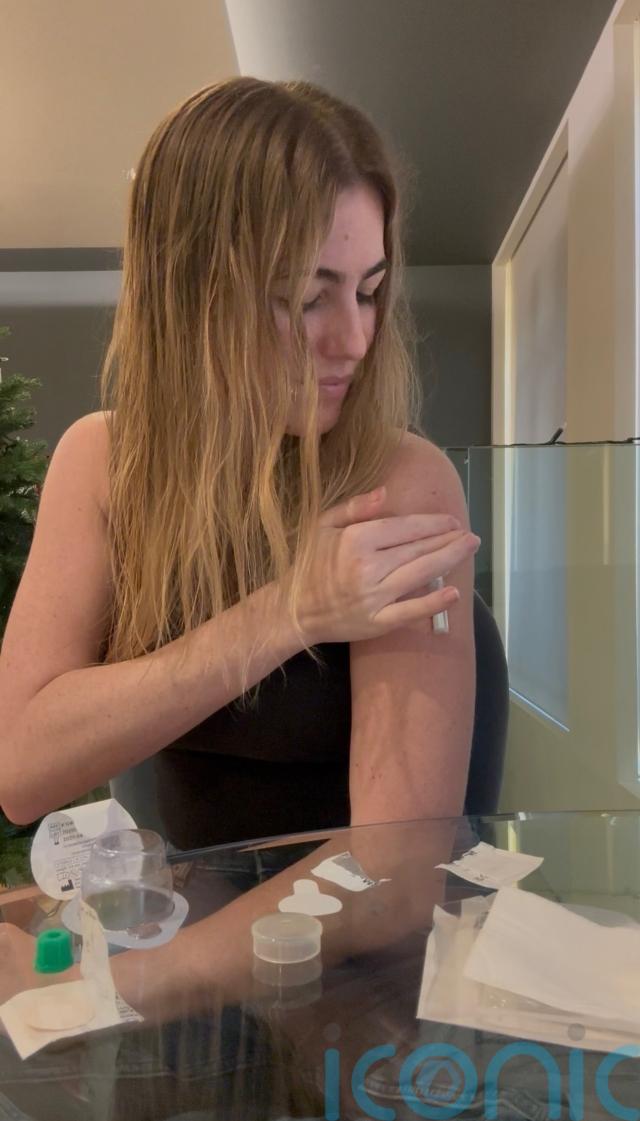
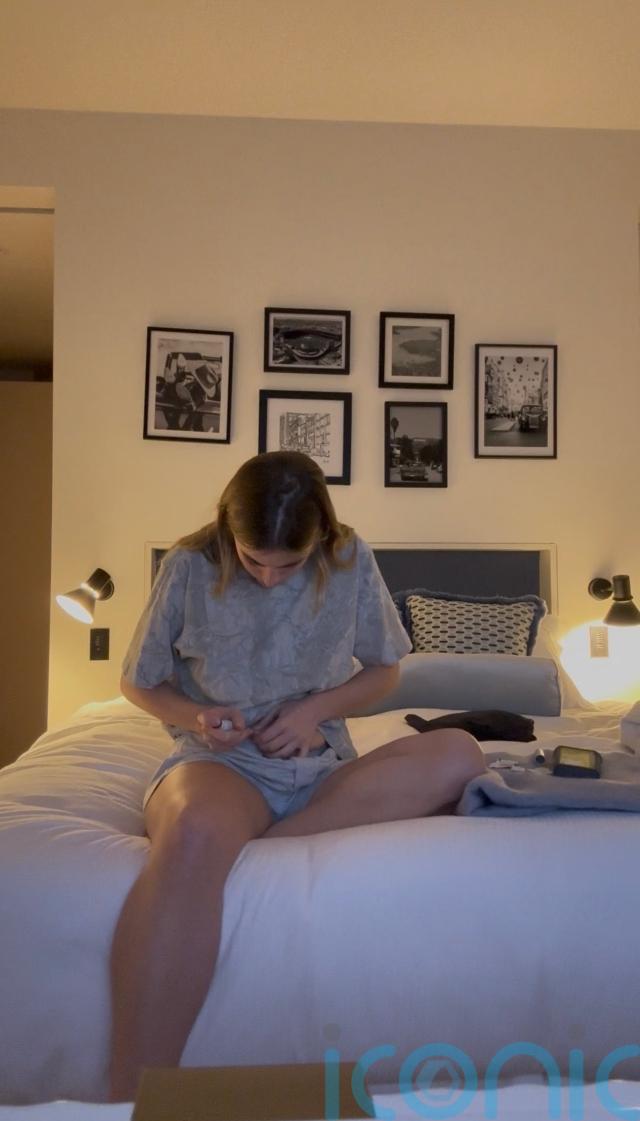
After being prescribed GLP-1 treatment in 2025, she said she lost over two stone, regained regular cycles, and is now urging women to push for support.
Olivia, the co-founder and chief executive of SheMed, who lives in central London, told PA Real Life: “Sometimes you know your body better than anyone else, and if you know something isn’t right you need to fight for it.
“My doctors in the US would say ‘You’re just a girl, this is normal, it’s your hormones’.
“Or, they would tell me it’s all in my head – I just wanted to scream.”
While living in Chicago, Olivia started her period at the age of 10 and, by 14, she was experiencing extreme stomach pain around her menstrual cycle.
However, after visiting her doctor, she said she was “dismissed” as a “normal teenage girl going through hormone changes”.
At 15, a cyst on her ovary burst, causing her appendix to become inflamed and she subsequently underwent an emergency appendectomy.
Around a month later, she began suffering from chronic stomach and pelvic pain and was repeatedly hospitalised because of chronic ovarian cysts.
Still aged 15, she was prescribed the oral contraceptive pill.
Although the medication reduced the number of ovarian cysts, she continued to experience irregular and painful periods, as well as bloating and inflammation.
She added: “I couldn’t fit into any of my clothes, so that was really hard.
“You’re going out with your friends and you want to look cute.
“I was never a really big girl but when you’re having an inflammatory attack and you can’t wear the pair of jeans that you look best in, it definitely affects how you feel for the night and affects your life.
“And just then the pain that came with it – I can’t button my jeans, and my stomach is so hard, and I just feel horrible, and I want to sit in bed.
“I’d miss classes at school and couldn’t sit through stuff because my stomach pain or my pelvic pain was so extreme.
“It affects your mental health a lot too – my body’s failing me, and I can’t participate in school.”
By 17, she said she was experiencing “episodes of severe nausea and vomiting”, with her body “randomly” going into septic shock.
She said her white blood cell count would also spike and she endured chronic stomach pain and fatigue.
Doctors were unable to determine the source or cause of the septic infection.
She said her doctors were “clueless” and even prescribed medication for IBS.
She received “the same old answers”, with doctors continuing to dismiss her concerns.
By 18, she had a range of blood tests and cardiac assessments and doctors also suggested she might be allergic to gluten.
She was still experiencing irregular periods and inflammatory attacks, and said she “struggled” to lose weight.
Despite being 5ft 4in, exercising daily, competing as an athlete in high school and eating a healthy diet, her weight would not shift from around 11st 8lb (73.4kg).
In 2018 she went to university, where she studied nutrition, communication and occupational science.

Despite eating nutrient-dense food and continuing to exercise, her weight remained the same.
After graduating, in 2022, she and her sister, Chloe, “felt like more could be done” to support women’s health.
They launched a company in the US producing at-home UTI and yeast infection tests, originally planning to expand the business to the UK.
In September 2024, they moved to London and soon discovered the “GLP-1 craze”, realising there was no female-focused GLP-1 programme for women in the UK.
In December they launched their company, SheMed, focusing on this area.
She said: “After years of going through struggles and hearing stories from women with similar experiences, Chloe and I wanted to create something where women’s health was at the forefront of healthcare.
“I want to be that voice for women and be a safe space for them and help others.”
When women sign up to the service, they complete a questionnaire, verify their weight and identity with a member of the team, and carry out an at-home blood test.
The results are then reviewed and approved by a qualified medical professional before any treatment is prescribed.
Users also receive monthly clinical evaluations to ensure their weight loss remains steady.
At the same time as launching the company, Olivia’s periods became even more irregular – bleeding for two weeks, stopping, then starting again.
She underwent several private tests in the UK, including hormone testing and an ultrasound.
She presented her results to her GP through the NHS and was diagnosed with PCOS.
According to the NHS, PCOS is a common condition that affects how a woman’s ovaries work.
The main features of PCOS are polycystic ovaries, irregular periods and having excess androgen, which are high levels of “male” hormones in your body,
Other symptoms include weight gain, difficulty getting pregnant, thinning hair on the head and acne.
She was advised to “finally” come off birth control in order to regulate her hormones.
She said: “Looking back, all my symptoms, apart from the sepsis, fit into this.”
After discussing her weight loss difficulties and PCOS symptoms, she claims her GP suggested trying GLP-1 treatment privately.
The NHS does not have specific guidance on using GLP-1 medication to treat PCOS.
However, they say in overweight women, the symptoms and overall risk of developing long-term health problems from PCOS can be greatly improved by losing excess weight.
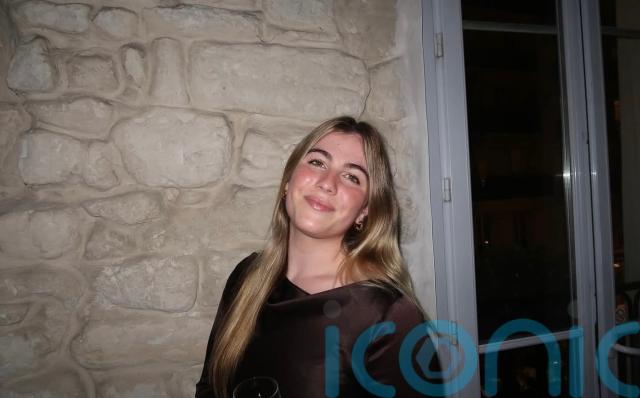
She was prescribed the medication through her own business in summer 2025.
Since then, she has lost 2st 2lb (13.6kg), going from 11st 8lb (73.4kg) to 9st 6lb (59.8kg).
She also claims her testosterone levels have reduced to within the normal range, her chances of fertility have improved, and her periods have become more regular.
“They’ve made me feel more like myself,” she added.
She is now aiming to maintain her weight and has no plans to stop taking the medication.
To other women pushing to be taken seriously, she said: “I think asking questions is important, and push for your own health.
“In women’s health in general, there isn’t always a textbook answer to what is wrong – I think people need to start looking at the whole picture.”
Dr Sue Mann, NHS national clinical director for women’s health, said: “The NHS offers a range of support for women with polycystic ovary syndrome, including mental health support, weight management and fertility services, and dedicated women’s health hubs across the country providing specialist support in communities.
“We know that for some women with PCOS weight loss and eating a healthy balanced diet can improve symptoms but if you are concerned or have questions, please contact your GP.”
For more information about SheMed, visit: www.shemed.co.uk.

Subscribe or register today to discover more from DonegalLive.ie
Buy the e-paper of the Donegal Democrat, Donegal People's Press, Donegal Post and Inish Times here for instant access to Donegal's premier news titles.
Keep up with the latest news from Donegal with our daily newsletter featuring the most important stories of the day delivered to your inbox every evening at 5pm.

This publication supports the work of the Press Council of Ireland and Office of the Press Ombudsman, and our staff operate within the Code of Practice of the Press Council. You can obtain a copy of the Code, or contact the Council, at www.presscouncil.ie, Lo-call 1800 208 080 or email: info@presscouncil.ie.