Search


22 Apr 2026
Search
22 Apr 2026

Please allow ads as they help fund our trusted local news content.
Kindly add us to your ad blocker whitelist.
If you want further access to Ireland's best local journalism, consider contributing and/or subscribing to our free daily Newsletter .
Support our mission and join our community now.
To continue reading this article, you can subscribe for as little as €0.50 per week which will also give you access to all of our premium content and archived articles!
Alternatively, you can pay €0.50 per article, capped at €1 per day.
Thank you for supporting Ireland's best local journalism!


A man who was told aged six he would “never run or be active again” after suffering a stroke during brain tumour surgery has consistently defied the odds, becoming a para-athlete and breaking Guinness World Records.
Anthony Bryan, now 36, a fitness instructor who lives in Enfield, north London, was told he had a golf ball-sized brain tumour – specifically astrocytoma – aged six after experiencing severe migraines and sickness.
His vital organs were “shutting down” and he needed surgery within 24 hours of the diagnosis, but he suffered a stroke on the operating table and was left paralysed down his left side and with no peripheral vision in his left eye.
At this point, Anthony said a doctor told him he will “never be very sporty (or) run ever again”, and he spent six months in a wheelchair, in and out of hospital, and was home-schooled for a year while receiving physiotherapy.
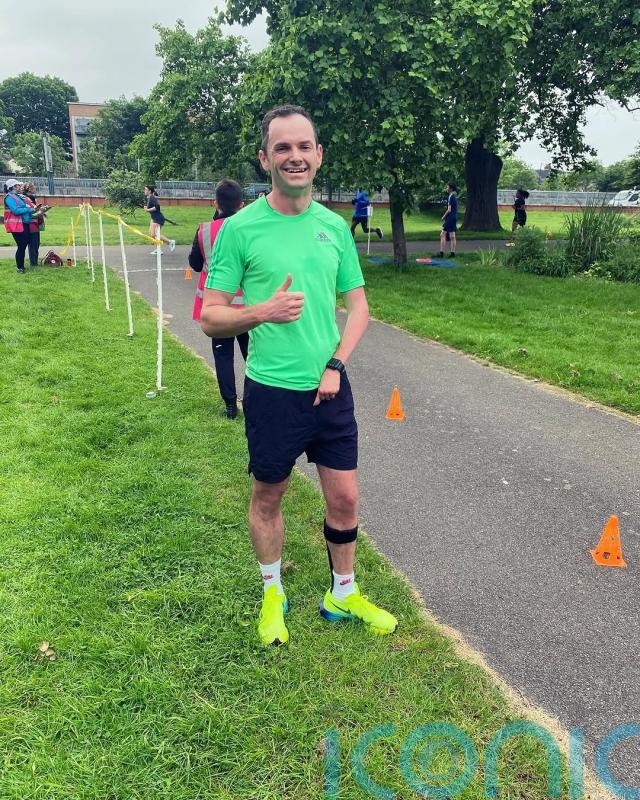
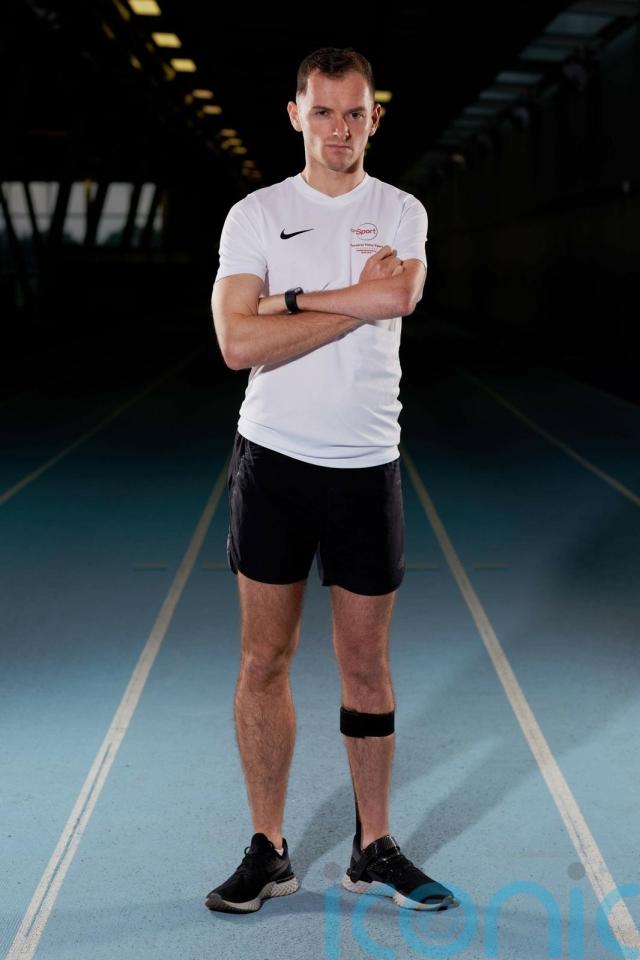
Anthony cannot move his left arm or ankle and therefore wears a leg brace to stop his foot dropping and dragging, but he gradually learned to walk and then run, later becoming an athletics world champion and Guinness World Records (GWR) holder.
This Brain Tumour Awareness Month, Anthony has been announced as an ambassador for the Brain Tumour Research charity, and he wants to encourage others to “never give up”.
“I could have easily taken the doctor’s word for it and just thought, ‘I can’t run, I can’t do it’, but luckily I was very stubborn,” he told PA Real Life.
“For those who are being told, ‘You can’t do this, you can’t do that’, I’d love for them to look at me and think, ‘He’s doing it, so I can do it, too’.
“My mum said, ‘Be the person you needed when you were growing up’, so now I want to be that role model for others.”
This month, more than 1,000 people in the UK will be told they have a brain tumour – a disease which kills more children and adults under the age of 40 than any other cancer, Brain Tumour Research says.
The charity adds that more than 100,000 people in the UK are estimated to be living with a brain tumour or the long-term impact of their diagnosis, like Anthony, but his journey to diagnosis was not straightforward.
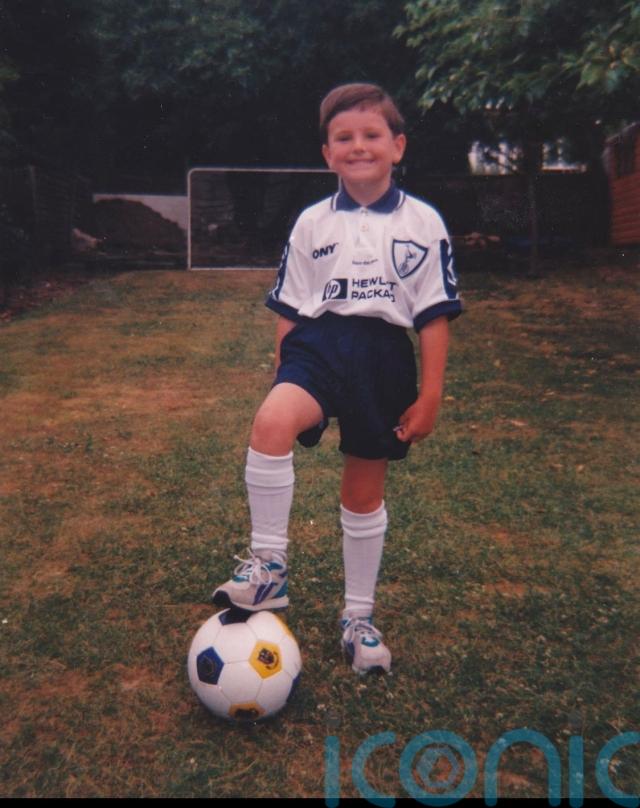
Growing up he was an “active, sporty child”, who was always running around and playing football, until he started experiencing excruciating headaches and vomiting.
“Doctors said, ‘Oh, it’s just migraines. Take some paracetamol, it will be OK’, and they sent me away,” he said.
“But these headaches got worse and worse, to a point where anything I ate would come back up… and still, we went to the doctors and they said, ‘Oh, no, he’s making himself sick’.
“All I remember is, I used to curl up in a ball and just hold my head – it was this screaming, screeching pain inside my head.”
After being repeatedly dismissed by doctors, Anthony says, his father decided to take advantage of his private health insurance and they sought a second opinion.
A private MRI scan revealed Anthony had a golf ball-sized brain tumour, specifically astrocytoma, and further tests showed his “vital organs were getting weaker and weaker” by the hour.
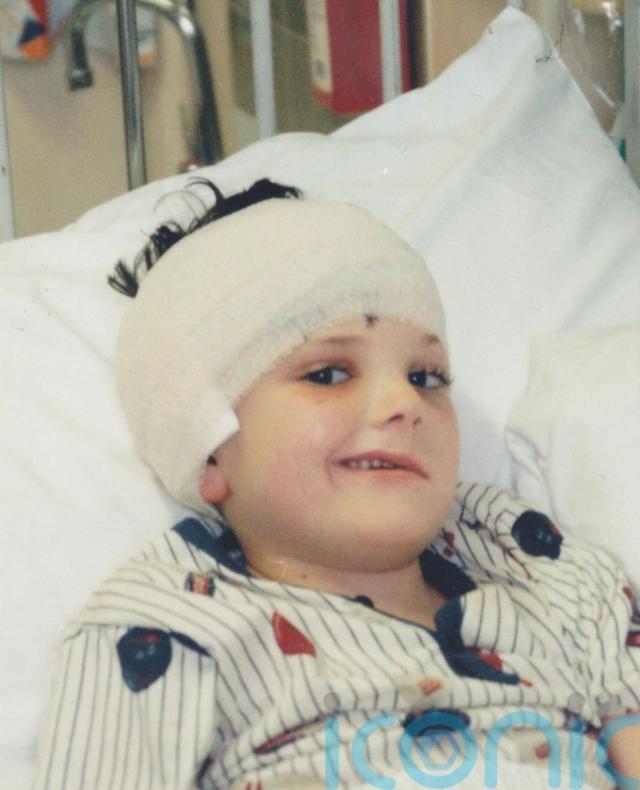
The then-six-year-old was rushed to Great Ormond Street Hospital (Gosh) for emergency surgery less than 24 hours later.
“It was supposed to be an operation just to remove this tumour and then you go back to normal life, but during the operation, I suffered a stroke which paralysed the left side of my body,” Anthony said.
“After the operation, a doctor said, ‘Unfortunately, Anthony will never be very active, he’ll never be very sporty, he’ll never run ever again’.”
As a “stubborn” and determined child, Anthony did not want to accept this and thought, “I’m going to prove you wrong”, but he had a long journey ahead of him.
He said he remained at Gosh for three months, where he was bedbound, and he required the use of a wheelchair for six months, leaving him dependent on his family and medical professionals.
“I absolutely hated the wheelchair so much,” Anthony said.
He underwent intense physiotherapy, which he “detested”, and he said teachers told him to stay indoors during breaks back at school, as they were concerned he would get injured.
He said he would sit by the windows, watching his friends play football, and he had dark thoughts, such as: “Why am I still alive? Why am I here?”
He continued: “I was so embarrassed because I was the only disabled kid in the whole school.
“I just kept thinking, if this hadn’t happened to me, I’d be out there living my life.”
With intense physiotherapy, he gradually learned to walk and started using a leg brace, and his competitive siblings pushed him to keep up with them.
At 16, he joined the disability team at Tottenham Hotspur Football Club, and he was encouraged to get into athletics, later winning gold medals at National Disability Sports competitions for the 100-metre race and long jump.
“For once, instead of being told, ‘You can’t do this, you can’t do that’, coaches were telling me, ‘You might not be able to do this, but don’t focus on what you can’t do. Let’s focus on what you can do’,” he said.
As he became stronger and learned to adapt, coaches suggested he aim for the London 2012 Paralympic Games to compete in the 100-metre race.
While he finished fourth, meaning he just missed out as the top three qualify, he said this just made him want to “train harder for next time”.
In 2015, Anthony said he was selected to represent England at the Cerebral Palsy International Sports and Recreation Association (CPISRA) World Games, where he won the 800 and 1,500-metre races.
He said: “I thought to myself, I was told I’d never run or be very active, now I’m a world champion. If they were this wrong, how much further can I go?”
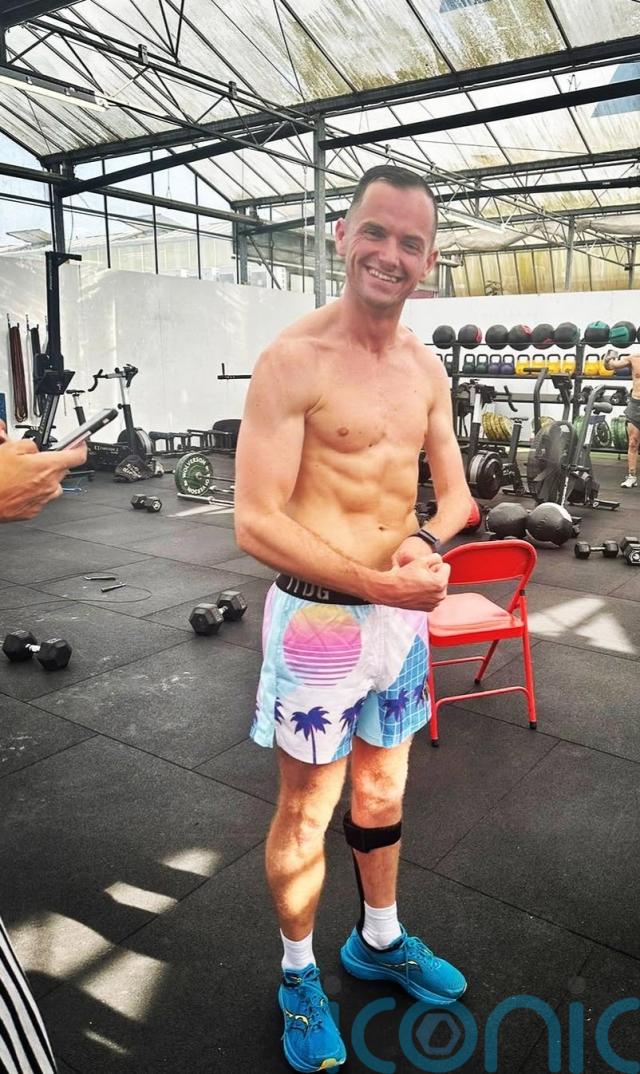
During this time, Anthony went to college to gain a sports coaching qualification, and he was offered a free course to qualify as a fitness instructor.
He then applied for 30 jobs in gyms over a seven-year period but was continually turned away, being told he did not have “the right image” for a personal trainer (PT).
So, for years, he worked at a supermarket, until he got a job at a gym reception – the closest he could get to his dream job as a PT.
Then, one day, when one of the instructors called in sick, he said he was able to take her class and it quickly became the most popular with a waiting list and he was given a permanent job.
“This class was amazing, and it started growing and growing every week,” he said.
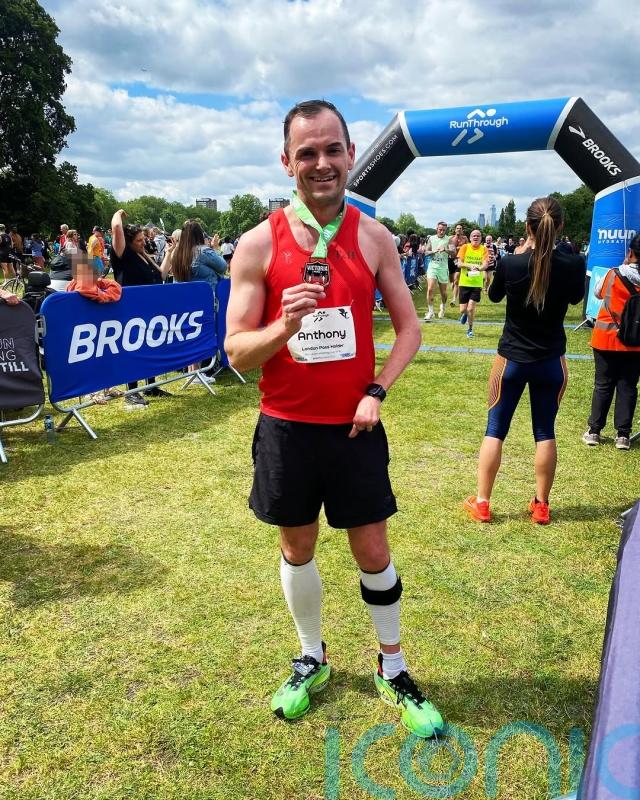
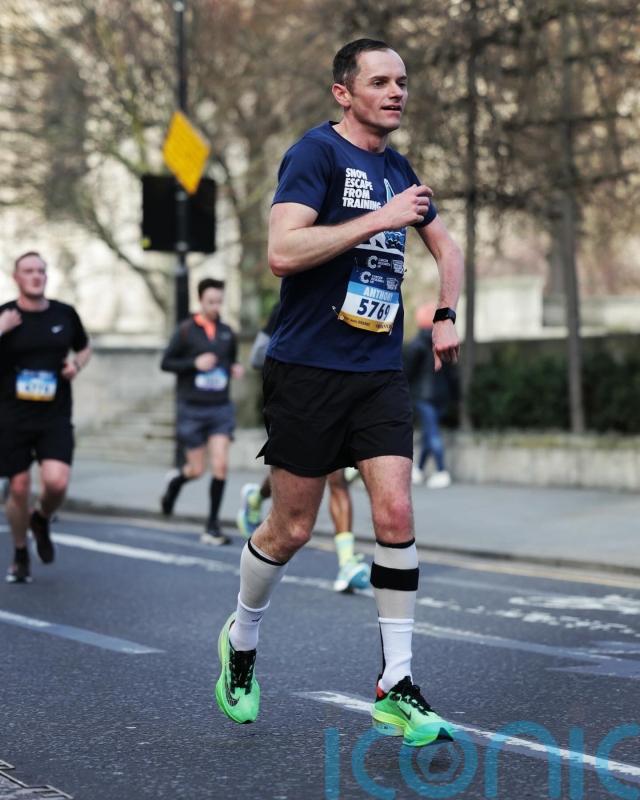
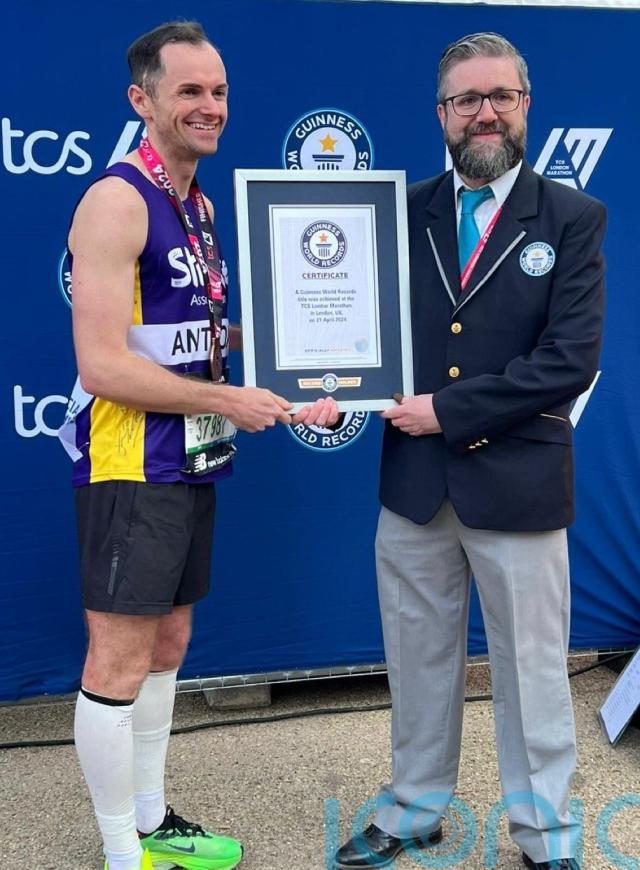
Anthony has since set Guinness World Records for the fastest marathon (CIH) for a male with hemiplegia – paralysis of one side – at the 2024 TCS London Marathon with a time of 5 hours, 49 minutes, and 4 seconds, along with the fastest half marathon (CIH) at the 2025 Goodwood Half Marathon with a time of 2 hours, 2 minutes and 57 seconds.
He has launched his own YouTube channel, @antbryanfitness, and he said he is now in the top three in the world for his Hyrox category – neurological major – and is preparing for the Hyrox World Championships in Sweden in June.
Anthony does talks at schools across the country and regularly receives messages from people, saying he has inspired them, but his ultimate dream is to open his own gym dedicated to those who have disabilities.
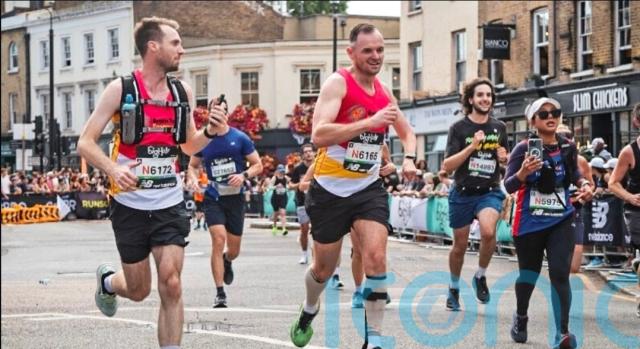
He said he has learned that “the body is far more capable than we could ever believe” and he wants to continue to “push the boundaries”.
“Every year I’m trying to push my limits more and more and more,” he said.
“The doctor said you’ll never run or be very active, and now I’m a world champion and Guinness World Records holder.”
Dan Knowles, chief executive of Brain Tumour Research, said: “We are deeply honoured to have Anthony join us as an ambassador.
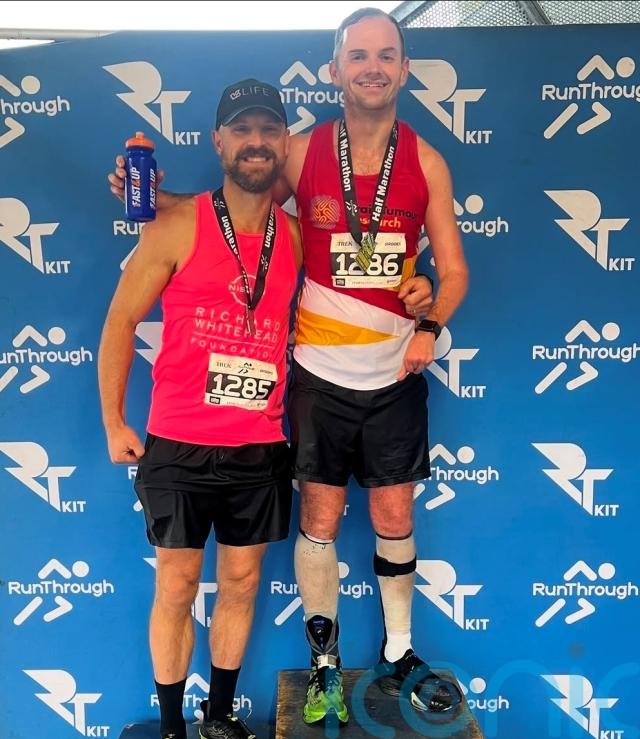
“His remarkable story will bring much-needed hope and inspiration to our community, and we are grateful that he is lending his voice to strengthen our call for greater investment into research to drive the change which brain tumour patients and their families so desperately deserve.”
To find out more, visit Brain Tumour Research’s website at braintumourresearch.org.
To find out more about Anthony, search @thenolimitsathlete on Instagram.
For mental health support, call the Samaritans for free on 116 123, email them at jo@samaritans.org, or visit samaritans.org.

Subscribe or register today to discover more from DonegalLive.ie
Buy the e-paper of the Donegal Democrat, Donegal People's Press, Donegal Post and Inish Times here for instant access to Donegal's premier news titles.
Keep up with the latest news from Donegal with our daily newsletter featuring the most important stories of the day delivered to your inbox every evening at 5pm.

This publication supports the work of the Press Council of Ireland and Office of the Press Ombudsman, and our staff operate within the Code of Practice of the Press Council. You can obtain a copy of the Code, or contact the Council, at www.presscouncil.ie, Lo-call 1800 208 080 or email: info@presscouncil.ie.