Rest in Peace James McEvoy
Search


31 Mar 2026

Please allow ads as they help fund our trusted local news content.
Kindly add us to your ad blocker whitelist.
If you want further access to Ireland's best local journalism, consider contributing and/or subscribing to our free daily Newsletter .
Support our mission and join our community now.
To continue reading this article, you can subscribe for as little as €0.50 per week which will also give you access to all of our premium content and archived articles!
Alternatively, you can pay €0.50 per article, capped at €1 per day.
Thank you for supporting Ireland's best local journalism!


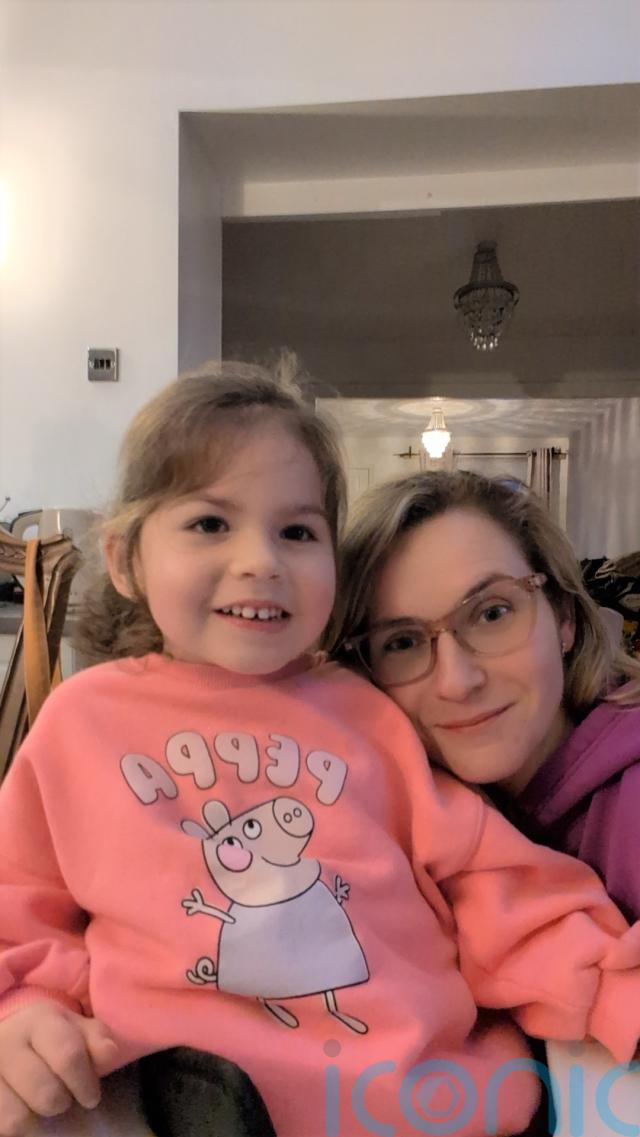
A mother who said her baby suffered months of untreated seizures and developmental regression after doctors dismissed her concerns as “maternal anxiety” hopes that additional stem therapy abroad will help her daughter progress.
Olivia Matyus’ daughter Ingrid appeared “healthy” at birth, but at three-and-a-half months old – during a 2021 trip to Romania for her christening – she began having seizures that led to developmental regression.
Before the trip, Olivia, a 38-year-old custodial manager, said Ingrid could hold her head up and smile socially, but after the seizures she lost those abilities and appeared “blank and absent”.
After returning to the UK, in September 2021, Ingrid’s doctors at Luton and Dunstable Hospital were able to get her seizures under control after prescribing her steroids and anti-seizure medication.
Olivia said Ingrid was weaned off this medication in December 2021 and began having 10 to 15 seizures a day, but a consultant dismissed her concerns – even after she shared videos of her daughter’s head dropping and eyes rolling back.
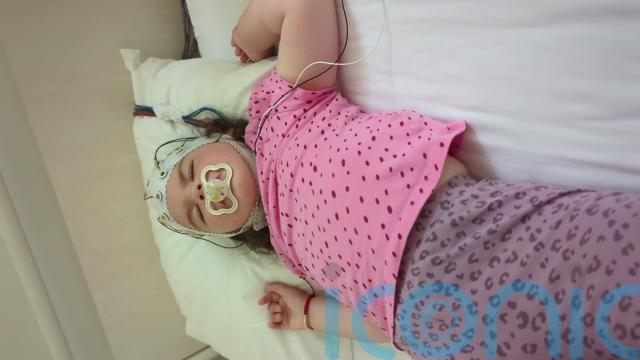
She said tests in April 2022 confirmed Ingrid had been having untreated seizures for months, causing further regression.
A diagnosis of a rare PHACTR1 gene mutation at the end of 2022 left doctors uncertain about her future, but Ingrid has since received stem cell therapy abroad, which Olivia said has stopped her seizures completely since 2023.
She is now fundraising for further specialist stem cell treatment, hoping it will allow her daughter to progress even more.
Olivia, who now lives in Northampton with her husband, Csaba, an HGV driver, 38, and their daughters Ingrid, now four, and Julia, 15, told PA Real Life: “There’s barely any research on her gene mutation because it’s so rare – we couldn’t find anyone in the UK with the same mutation.
“We just hope someone picks up an interest in it and researches it so we can find out more.”
When Ingrid was born, on April 23 2021, Olivia said she was a “quick delivery with no issues”.
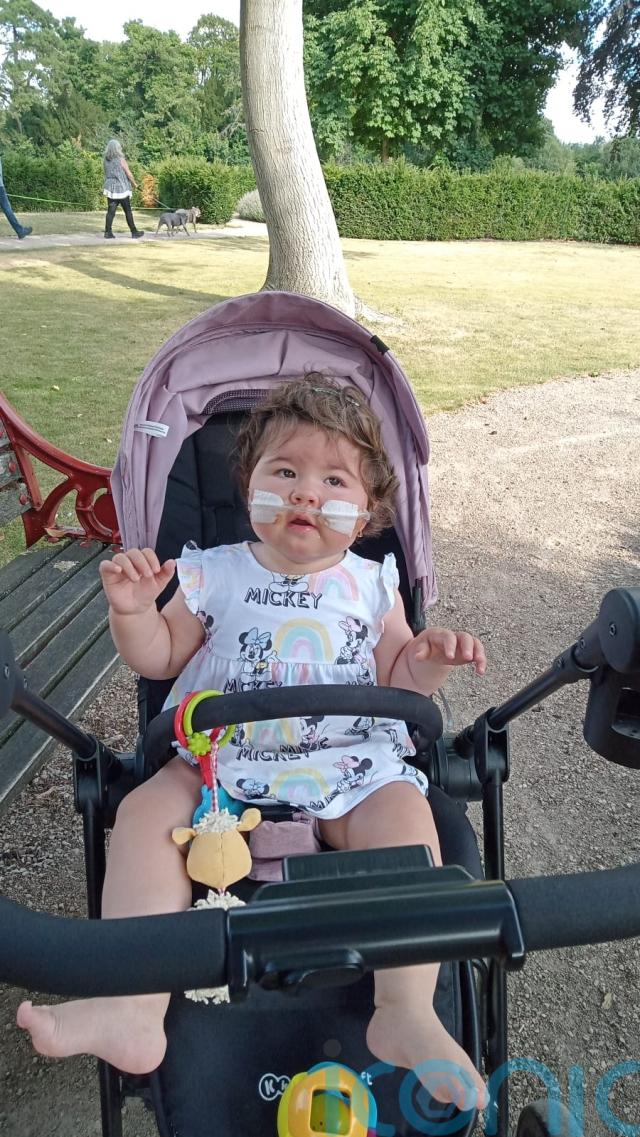
That was until, at three-and-a-half months old, Olivia took her to Romania, where she is from, to get christened.
While there, she noticed Ingrid was “doing some strange movements”, such as arching her body, and her eyes were rolling back.
At first, she thought she was “just having some kind of discomfort” but after taking a video and her friend sending it to a neurologist, she was told she should take her into hospital as soon as possible.
So, they took her to hospital, where Olivia said she was diagnosed with infantile spasms and an electroencephalogram (EEG) revealed her seizures had caused developmental regression.
Olivia explained: “After the seizures she went completely back to zero, as if she was a newborn.
“She couldn’t hold her head up, she lost her social smile, and just looked blank and absent.”
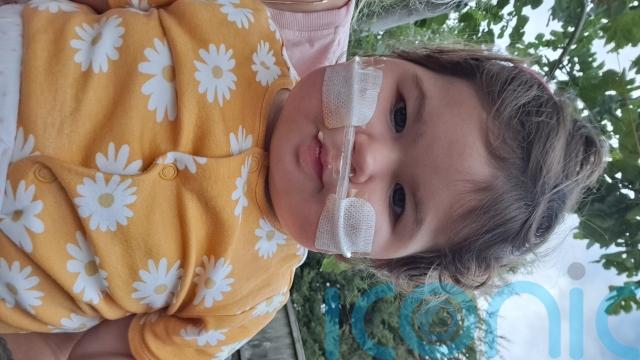
Olivia said Ingrid was kept in hospital for five weeks and staff were able to source specialist medication for her specific condition to try to control her seizures.
After returning to the UK in September 2021, Ingrid had to have “all the tests” done again at Luton and Dunstable Hospital.
She also had genetic testing, but Olivia was told the results often take up to a year to receive.
Olivia said Ingrid’s doctors prescribed steroids and an anti-seizure medication, and it seemed as though her seizures were “under control”.
However, Olivia said that in December 2021, Ingrid’s doctors decided to “wean her off” both medications.
After being medication-free for two months, Olivia said Ingrid began to seize around 10 to 15 times a day.
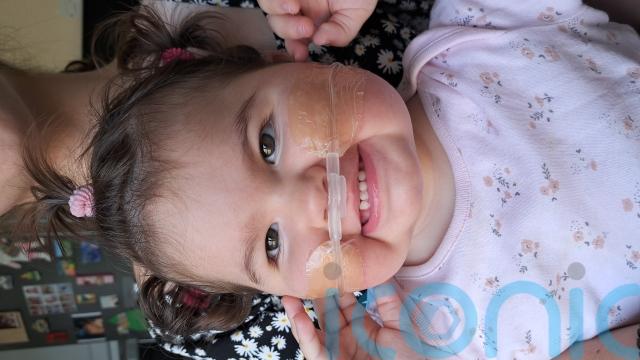
She said: “It was quite disturbing to watch – she just dropped her head out of nowhere, arched her body and rolled her eyes back.”
She sent videos of these instances to the consultant and claimed she was “ignored and dismissed”.
“The consultant who was in charge of her said that they are not seizures and refused an EEG test,” she said.
“It took me literally calling them on a daily basis because I knew that something was wrong to get a response.
“I showed the videos to her original consultant in Romania and she agreed with me.”
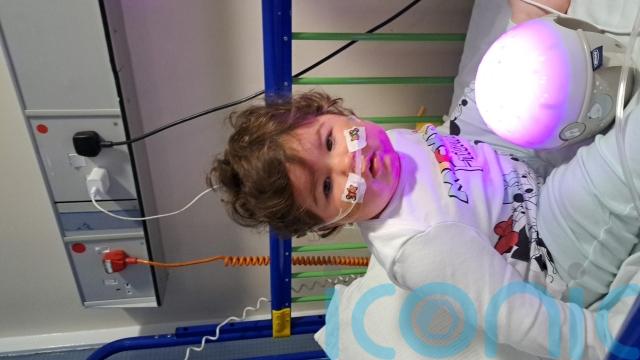
After tens of emails and messages to her consultant and his secretary, she said he eventually called her.
“The consultant told me it’s just maternal anxiety and I should just stop worrying,” Olivia explained.
“I just burst into tears, and I felt so stupid, because I knew something was wrong with my baby, but he was just ignoring me.
“He agreed to do an EEG and said ‘it would calm my maternal anxiety’.”
In April 2022, Olivia said the results revealed Ingrid had been having seizures for around three-and-a-half months without medication and her development regressed again as a result.
So, Ingrid was put back on the original medication.
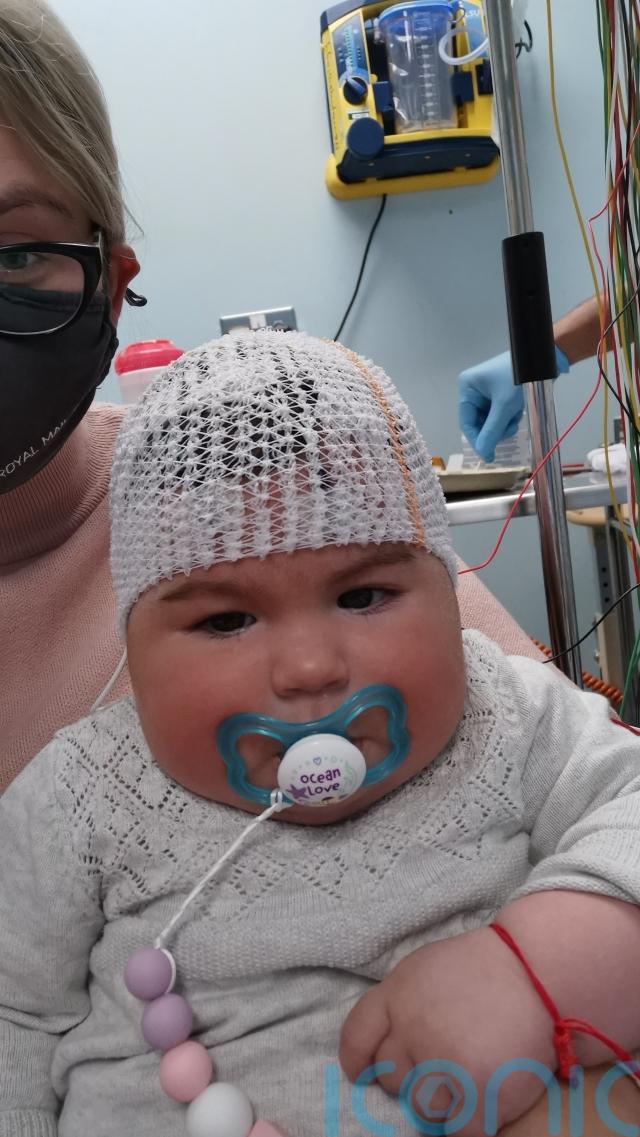
“She wasn’t engaging with us at all, she was in her own world,” Olivia added.
In November 2022, the family relocated to Northampton and Olivia said Ingrid has received “excellent” care there.
At the end of 2022, she received the results from the genetic testing and Ingrid was diagnosed with a rare gene mutation called PHACTR1.
Despite the severity of her condition, Olivia said Ingrid is “the happiest child” she has “ever seen”.
Olivia’s parents have since moved nearby from Romania to help look after Ingrid, so Olivia and her husband can go to work and earn an income.
Through their own research, Olivia and her husband decided they wanted Ingrid to try stem cell therapy, which is not available on the NHS.
Ingrid has had four rounds of stem cell therapy in Slovakia – three in 2023 and one in 2024 – and since 2023 Olivia said she has not had any seizures.
Olivia said the treatments have cost around £15,000 each time.
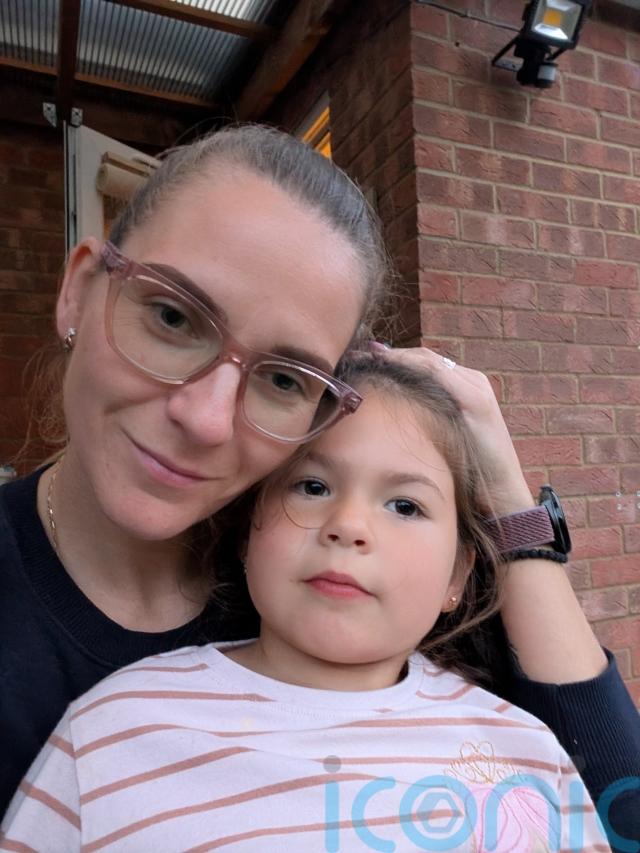
She said: “That’s when she actually started giving us eye contact and engaging with things around her.
“She can chew now – before she had to have blended food.
“She can walk, although she is wobbly – we think we need to carry on with the stem cell therapy to help her keep progressing.”
Over the years, Ingrid has also had support from the UK Infantile Spasms Trust, speech and language therapy and physiotherapy through the NHS, as well as additional play therapy and physiotherapy privately.
They have even taken her to Bucharest in March and September 2024 for another £5,000 for brain remapping and brain training sessions.
She said: “We work as much overtime as possible to be able to cover everything, we’re willing to try anything.”
They have launched a GoFundMe to fund another round of advanced stem cell therapy at a specialist clinic in Panama, which they estimate will cost £20,000 including travel fees.
Olivia said: “It would mean everything to us if we got to the target.
“Small things like getting rid of her nappies and being able to communicate a little more would be amazing – these are huge to us.”
Looking ahead, Olivia is worried about who will look after Ingrid.
She said: “My parents won’t be here one day and as she gets older she might not be able to look after herself.
“I’m terrified of what will happen to her if something happens to us.”
Mr Paul Tisi, medical director at Bedfordshire Hospitals NHS Foundation Trust, said: “We are very sorry to hear how distressed Ms Maytus has felt about her daughter’s condition and her experiences at the Luton and Dunstable University Hospital. Caring for children and supporting their families is extremely important to us, and we always aim to work in partnership with parents when managing complex neurological conditions.
“While we cannot comment in extensive detail on individual patients due to our duty to protect confidentiality, we can confirm that Ingrid was assessed urgently on arrival into our care and that appropriate investigations, treatment and referrals (including to tertiary specialists) were made in line with national NHS guidance and the eastern paediatric epilepsy network.
“Throughout Ingrid’s time with our paediatric team, regular clinical reviews were carried out, including multidisciplinary team discussions involving consultants and specialist nurses. When parents raised concerns or submitted video recordings, these were reviewed and responded to by the clinical team. Decisions about medication changes followed evidence‑based practice.
“We are sorry that the family felt their concerns were not heard in the way they hoped. However, our records show that the team remained in regular contact, responded to inquiries and took all concerns seriously. We are committed to providing safe, compassionate care and encourage any family who is worried or unhappy about any aspect of treatment to speak with us directly so we can offer support.”
To donate to Olivia’s GoFundMe, visit: www.gofundme.com/f/can-you-help-ingrid-keep-smiling-through-every-adventure.

Subscribe or register today to discover more from DonegalLive.ie
Buy the e-paper of the Donegal Democrat, Donegal People's Press, Donegal Post and Inish Times here for instant access to Donegal's premier news titles.
Keep up with the latest news from Donegal with our daily newsletter featuring the most important stories of the day delivered to your inbox every evening at 5pm.

This publication supports the work of the Press Council of Ireland and Office of the Press Ombudsman, and our staff operate within the Code of Practice of the Press Council. You can obtain a copy of the Code, or contact the Council, at www.presscouncil.ie, Lo-call 1800 208 080 or email: info@presscouncil.ie.