Search


09 Apr 2026
Search
09 Apr 2026

Please allow ads as they help fund our trusted local news content.
Kindly add us to your ad blocker whitelist.
If you want further access to Ireland's best local journalism, consider contributing and/or subscribing to our free daily Newsletter .
Support our mission and join our community now.
To continue reading this article, you can subscribe for as little as €0.50 per week which will also give you access to all of our premium content and archived articles!
Alternatively, you can pay €0.50 per article, capped at €1 per day.
Thank you for supporting Ireland's best local journalism!


A woman who ignored symptoms of irregular periods and heavy bleeding for over a decade before her cervical cancer diagnosis at 43 has warned others “don’t be silly like me” and urged everyone to get regular screenings.
Pamela Alexander, 56, a support assistant for children with special needs from the Scottish town of Greenock, said she got her first cervical screening at 22 – which came back clear – but then a “fear of doctors” and “the embarrassment involved in getting the procedure done” stopped her from ever going back for another one.
In the years since, Pamela said she was routinely sent NHS letters for follow-up screenings but she would “throw them in the bin”, even after she noticed her menstrual symptoms worsening from her mid-30s onwards.
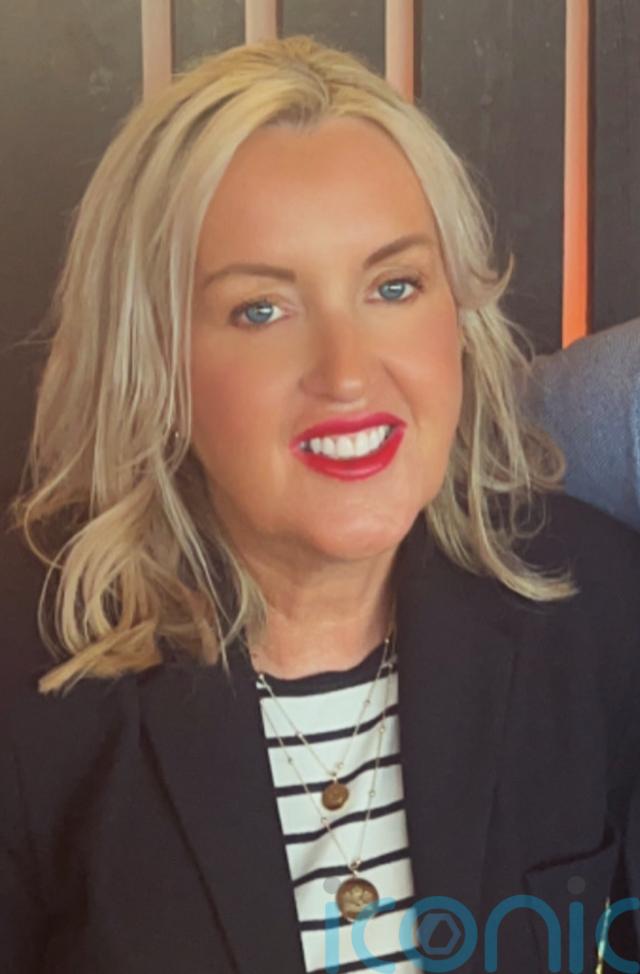
By the time Pamela was 43 and throughout the summer of 2012, she said she was experiencing irregular periods, heavy bleeding that was “like turning a tap on”, heavy clotting, back pain, discomfort during sex and spotting, but she still didn’t see a doctor.
In August 2012, Pamela collapsed in her home and was rushed to hospital, where doctors discovered a tumour “the size of a tennis ball” and she was initially diagnosed with stage 2B cervical cancer, later upgraded to 3B, meaning it had spread into the surrounding areas.
Pamela told PA Real Life: “The gynaecologist basically said there was nothing more they could do.
“The tumour was far too big. It was too embedded in the bladder, the bowel, and the lymph nodes. It was absolutely awful.
“I should have gone and gotten my smears done when those (reminder) cards came in.
“It’s embarrassing, and I feel so much guilt for what I’ve put my family through.”

Pamela said that after she experienced a panic attack going in for her first screening at the age of 22 in 1991, which put her off “ever going back”, even after she had her three children and she was encouraged to have screenings via six-week check-ups.
When Pamela first started to experience abnormal periods in her mid-30s, she said she felt “too busy” with her sales job at the time and childcare responsibilities so she “put it in the background”.
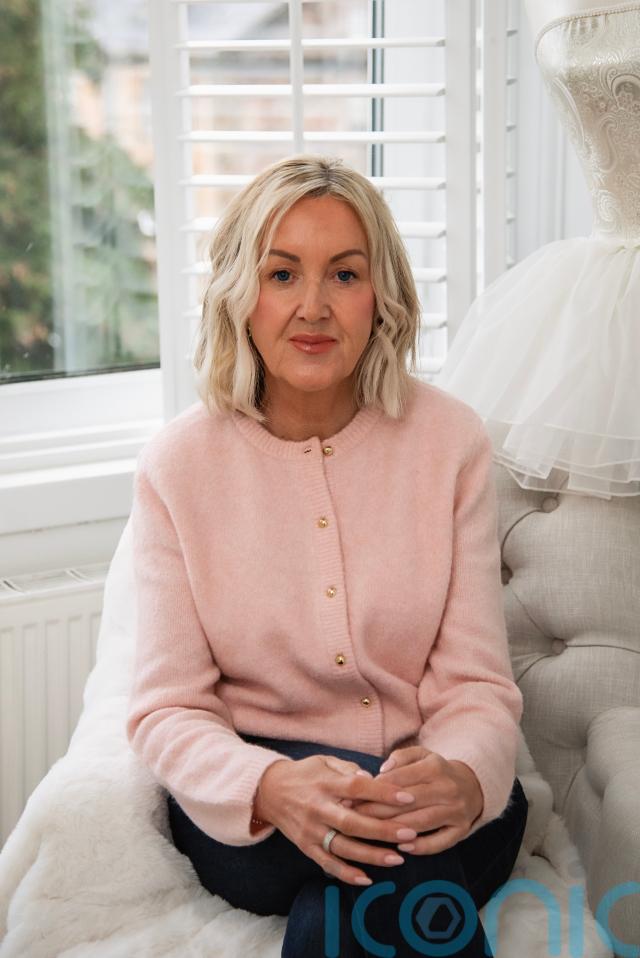
“I would say I had symptoms for at least 10 years,” Pamela said, of her life before her cervical cancer diagnosis. “It got to the point that I couldn’t go to the gym because the bleeding was so bad.
“Maybe a week before I was admitted to hospital, the bleeding just wouldn’t stop. It was like turning a tap on, I’d lost that much blood.
“But again, I just cleaned up and never told anyone,” Pamela said.
On August 7 2012, Pamela couldn’t hide it anymore and collapsed in her hallway while covered in blood, prompting her partner at the time to call for an ambulance.

The next day, doctors performed a scan and found the tennis ball-sized tumour in Pamela’s cervix, prompting surgery to assess if the cancer had spread.
Coming-to after the operation, Pamela was told that her tumour was so big that nothing could be done – it couldn’t be removed and she couldn’t have a hysterectomy as she might die during surgery.
Pamela said: “I remember my friend screaming, but I had instantly accepted it.
“They said I should basically just go home and spend the remaining time left with my children,” she added.

In the aftermath of her diagnosis, Pamela said she was talking to her boss who informed her that she had access to private healthcare and he encouraged her to “please go and see someone” to double check “if there’s anything at all that can be done”.
This is how she came to access a private specialist who Pamela said gave her “a 35% chance of survival” through a combination of chemotherapy, radiotherapy and brachytherapy, a type of internal radiation.
Pamela said she had an allergic reaction to the first type of chemotherapy she tried that caused her to go into anaphylactic shock, before doctors switched to an alternative form.
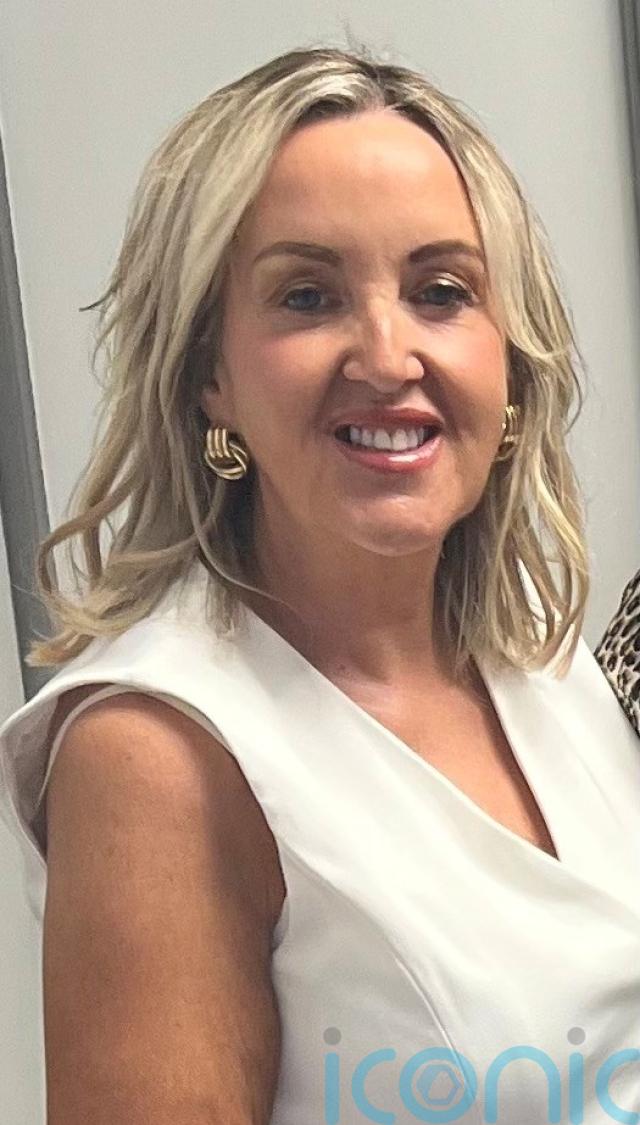
“Chemotherapy is bad enough,” Pamela said, “But brachytherapy was worse than childbirth. It was horrific.
“That operation is where they have to put you under to insert rods into your cervix, but you are connected to a machine and the brachytherapy is blasted straight through,” she added.
In terms of side effects, Pamela said she lost her hair, which was a “big thing” for her, as well as experiencing fatigue, burning sensations while using the toilet and hot flushes from induced menopause.
She has also experienced lasting neuropathy that she described as total numbness in her fingers and toes that is “like putting your feet in wet sand”.
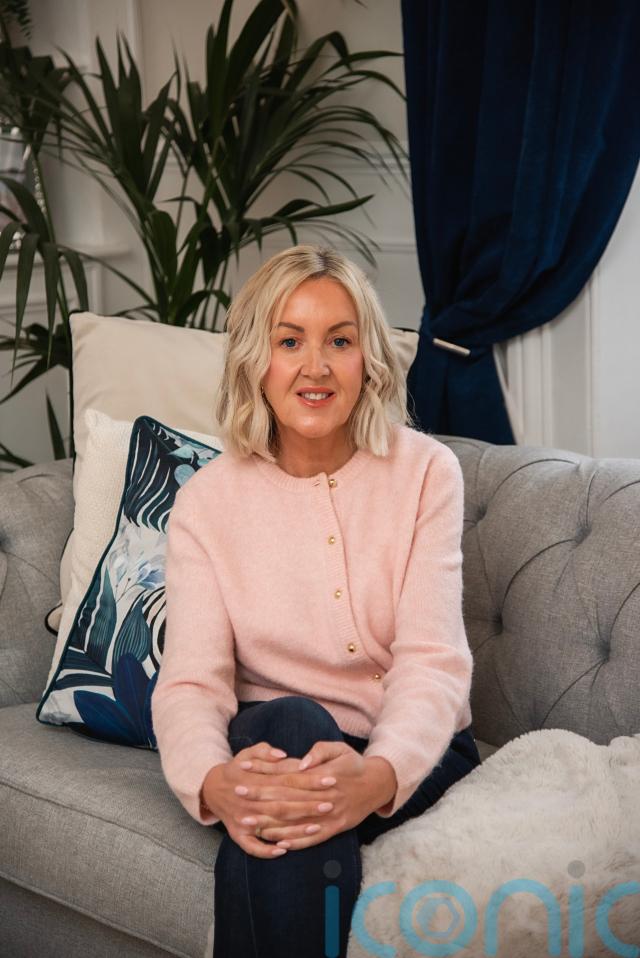
In April 2013, Pamela said she was “fortunate” to be told that she was in remission.
Pamela said: “It was the best feeling ever. Even after five years, I was still convinced that it might come back.
“So when I got to that five-year mark, that was amazing. It was the best feeling in the world.
“And now I’m just vigilant.”
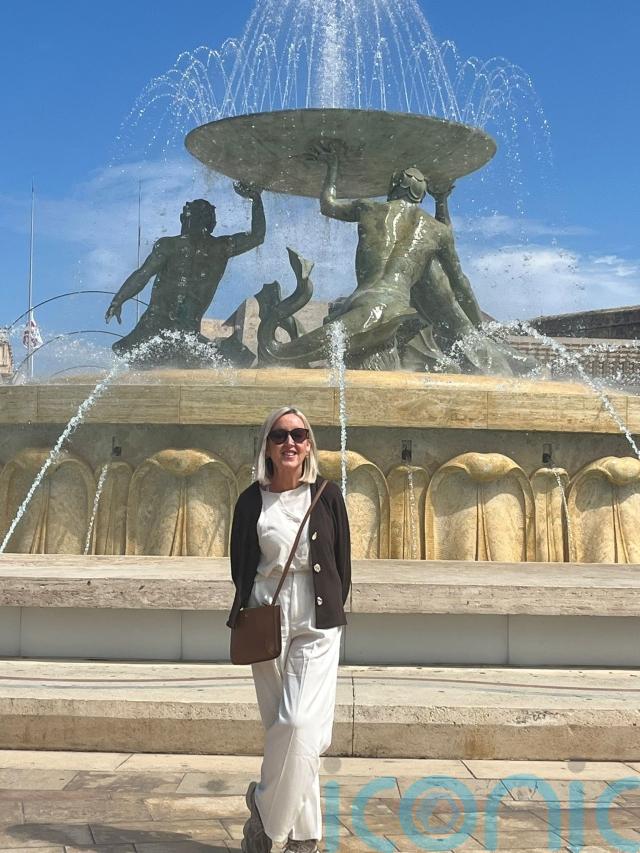
Today, 14 years after her diagnosis – and just days before her 57th birthday – Pamela said she is “well aware how lucky” she is to be alive, especially after ignoring her symptoms for so long.
Pamela said: “I’ve been left with lifelong disabilities and I’m now registered disabled.
“Last year, I broke my spine and fractured my pelvis in five places after I just woke up like that,” she added, describing how brittle her bones are since cancer treatment.
Praising NHS England’s rollout of at-home HPV testing last year, Pamela said it would have been a “game-changer” for her, although she now can’t have them herself because her results would come back abnormal as a survivor of cervical cancer.
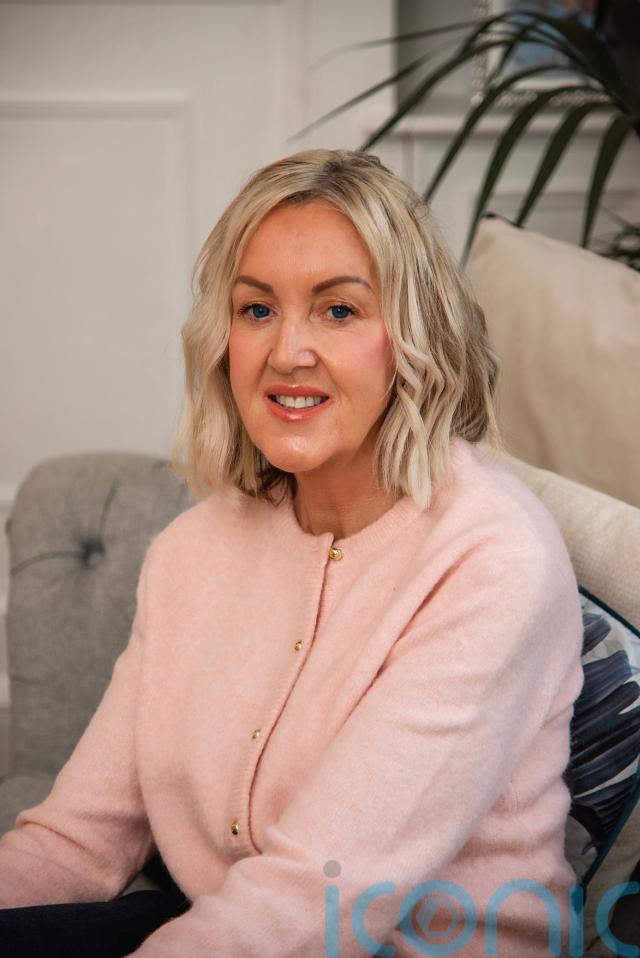
She said: “I think it’s amazing. I think it’s going to change lives and it’s going to save lives.”
Pamela described the “guilt” she still feels for not acting sooner, and warned others: “Please don’t be silly like me. I tell everybody to go for smears.
“It’s just madness not going (to the doctor). A five-minute procedure could save your life.
“Today, I know that I can go to the doctor for anything and they will listen because they know that I just have so much faith in them now.”
Plus, she added: “I have four beautiful grandchildren that I never would have seen if I wasn’t alive.”
Pamela is supporting Cancer Research UK’s Race for Life. Go All In against cancer. Go All In to help fund life-saving research. To sign up, visit raceforlife.org

Subscribe or register today to discover more from DonegalLive.ie
Buy the e-paper of the Donegal Democrat, Donegal People's Press, Donegal Post and Inish Times here for instant access to Donegal's premier news titles.
Keep up with the latest news from Donegal with our daily newsletter featuring the most important stories of the day delivered to your inbox every evening at 5pm.

This publication supports the work of the Press Council of Ireland and Office of the Press Ombudsman, and our staff operate within the Code of Practice of the Press Council. You can obtain a copy of the Code, or contact the Council, at www.presscouncil.ie, Lo-call 1800 208 080 or email: info@presscouncil.ie.