Search


17 Apr 2026
Search
17 Apr 2026

Please allow ads as they help fund our trusted local news content.
Kindly add us to your ad blocker whitelist.
If you want further access to Ireland's best local journalism, consider contributing and/or subscribing to our free daily Newsletter .
Support our mission and join our community now.
To continue reading this article, you can subscribe for as little as €0.50 per week which will also give you access to all of our premium content and archived articles!
Alternatively, you can pay €0.50 per article, capped at €1 per day.
Thank you for supporting Ireland's best local journalism!


A 26-year-old who went from running ultramarathons to having severe arthritis is “grieving” their former self as “simple tasks” have become “impossible”, and is now fundraising for stem cell treatment in the hope of reclaiming their life.
Mollie Dobson, who lives in Manchester and uses they/them pronouns, was admitted to hospital for four days in December 2022 after a root canal infection, which doctors suspect possibly triggered an autoimmune response that caused their immune system to attack their own healthy tissue.
By March 2023, they began experiencing persistent ankle pain and swelling that gradually worsened, despite initial X-rays showing no issues.
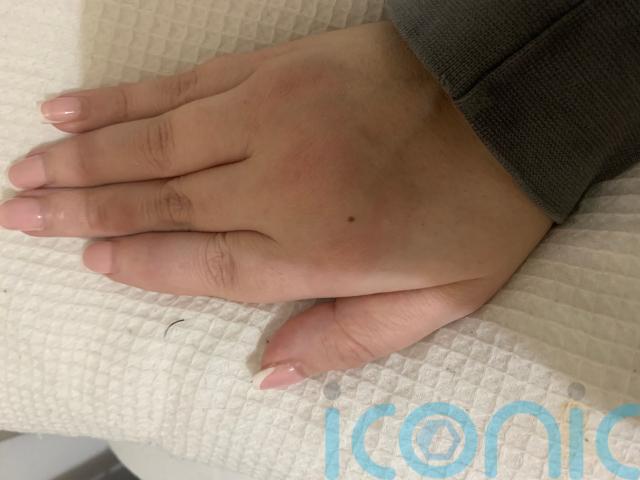
After symptoms worsened and spread to their hands and knees, they were eventually diagnosed with arthritis in 2024, which they said has “strained” some of their relationships, as they often have to cancel plans due to their chronic pain.
Mollie believes their age may have delayed their diagnosis as doctors may not have considered arthritis because it is associated with the older generation.

Mollie now uses a wheelchair and crutches day-to-day, has moved back home with their father, and has tried physiotherapy and a range of medications without long-term relief.
Mollie, who is a part-time support worker and events promoter for Riot Garden, told PA Real Life: “Watching my body deteriorate and fail me day in and day out has had a huge impact on my mental health – it almost feels like a form of grief, I am grieving for the person I used to be which is someone almost unrecognisable to myself.
“I hope to send a message that reminds all those living with any chronic illness they’re not alone, (and) I also want to send a plea for greater research into arthritis and for it to be taken seriously.”
In December 2022, Mollie was admitted into Manchester Infirmary for four days with a severe infection following a root canal procedure.
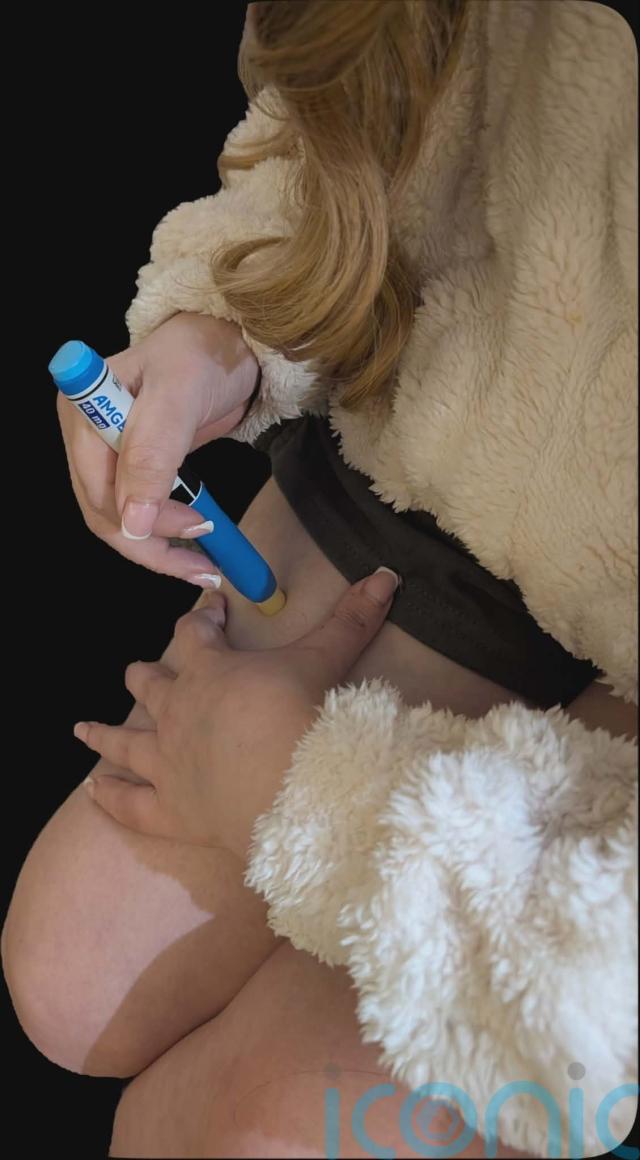
Mollie’s doctors believe this triggered an autoimmune response, meaning their immune system was attacking their healthy tissue.
In March 2023, Mollie noticed pain and swelling in their ankles – at the time, they were “really into running”, doing it multiple times a week and even running ultramarathons.
Mollie initially assumed it was related to this, but after the pain “did not go away” they visited their GP and had an X-ray the same month, which did not flag any issues.
The pain started “progressing” over time, despite them keeping their ankle elevated at night, and it eventually spread to their hands and knees.
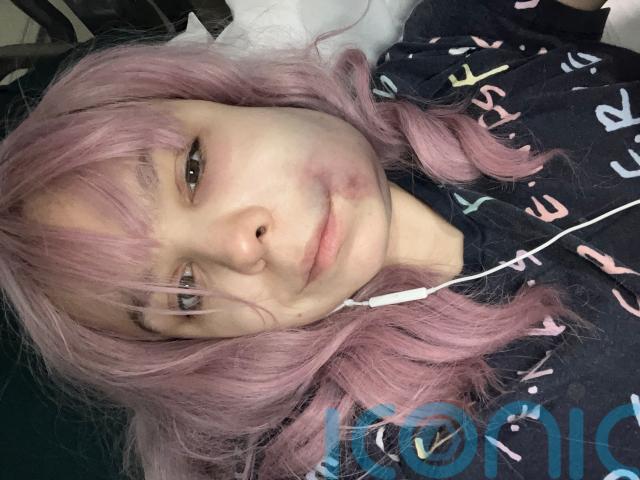
Mollie returned to their GP a few months later, where they suggested it may be hypermobility, which is a condition where the joints have an unusually large range of movement and can be more flexible than normal, as their hand was “in a weird shape”.
However, Mollie’s condition still did not improve, so they went back for further tests in 2024 which revealed high inflammation markers, and they were diagnosed with arthritis.
Mollie said: “I think the biggest misconception is that it only happens in the older generation.
“I think the damage it can cause is greatly minimised too.
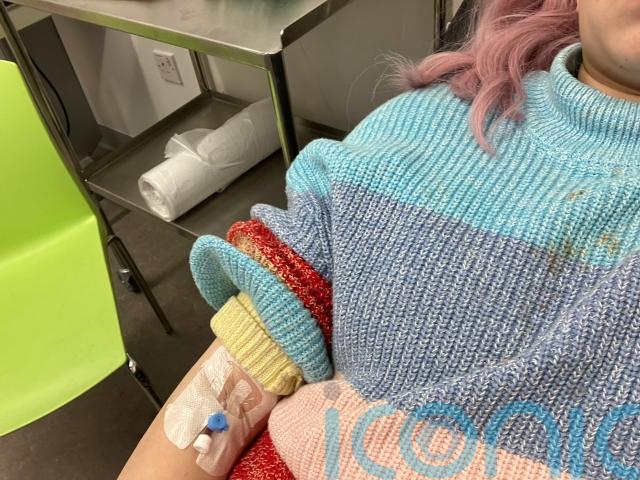
“I think doctors didn’t suggest arthritis because they might have thought I was too young to have it.”
Since then Mollie said “simple daily tasks” have become ”nearly impossible”.
Mollie said: “Getting dressed causes me pain and fatigue.
“My daily life is so different now than what it was, everything I do has to be assessed in great detail beforehand.
“Relationships have been greatly impacted – chronic fatigue and pain mean I am not as reliable and may have to cancel plans last minute, which can – and has – strained certain relationships in my life.”
Mollie began using a wheelchair last year for longer outings, which they said was a “real adjustment” but that they were glad they “gave in” to using one.
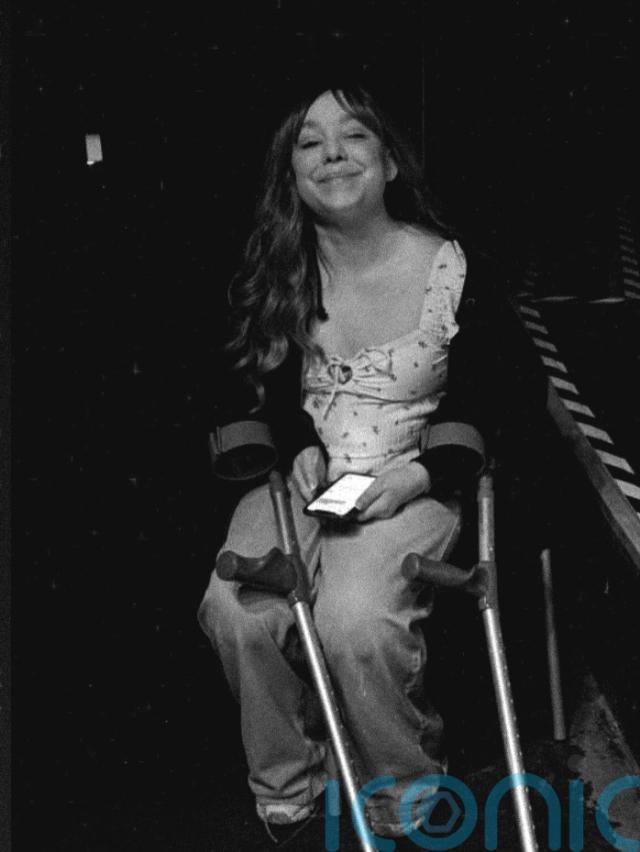
Mollie also moved back in with their dad, as they needed more support.
“I used to live by myself and was so independent – I love my dad, we have a great relationship and get on so well, but it’s not the same as living alone and doing your own thing,” Mollie said.
In January 2026, they even ended up in hospital due to a “bad flare-up”.
Mollie explained: “I was planning on going to work, however when I woke up I couldn’t move without crying out in pain. I was essentially bed bound: it took the assistance of three individuals to transfer me from my wheelchair into the hospital bed.”
Since then, they have been using crutches in their day-to-day life.
Over the last few years, they have tried physiotherapy, biologic injections, and steroids, as well as improving their diet, but said none have “provided significant long-term relief”.
Mollie is now looking into getting stem cell therapy privately – this would involve using stem cells, which are cells that can develop into different types of specialised cells in the body, with the aim of reducing inflammation and helping to repair or regenerate damaged joint tissue.
Mollie estimates it will cost £10,000, and has set up a GoFundMe to help finance the treatment.
Mollie is also hosting a fundraising event at Withington Public Hall, Manchester, on May 16 2026.
“No words can describe what that would mean to me, if I met the target, this could be life changing,” they said.
To donate to Mollie’s fundraiser, visit: www.gofundme.com/f/stem-cells-and-safety-pins.

Subscribe or register today to discover more from DonegalLive.ie
Buy the e-paper of the Donegal Democrat, Donegal People's Press, Donegal Post and Inish Times here for instant access to Donegal's premier news titles.
Keep up with the latest news from Donegal with our daily newsletter featuring the most important stories of the day delivered to your inbox every evening at 5pm.

This publication supports the work of the Press Council of Ireland and Office of the Press Ombudsman, and our staff operate within the Code of Practice of the Press Council. You can obtain a copy of the Code, or contact the Council, at www.presscouncil.ie, Lo-call 1800 208 080 or email: info@presscouncil.ie.