Search


23 Apr 2026
Search
23 Apr 2026

Please allow ads as they help fund our trusted local news content.
Kindly add us to your ad blocker whitelist.
If you want further access to Ireland's best local journalism, consider contributing and/or subscribing to our free daily Newsletter .
Support our mission and join our community now.
To continue reading this article, you can subscribe for as little as €0.50 per week which will also give you access to all of our premium content and archived articles!
Alternatively, you can pay €0.50 per article, capped at €1 per day.
Thank you for supporting Ireland's best local journalism!


A man diagnosed with leukaemia at seven months old who “shouldn’t have survived” and was told he would be left infertile from treatment, has said an anonymous stem cell donor saved his life – and he is now a father.
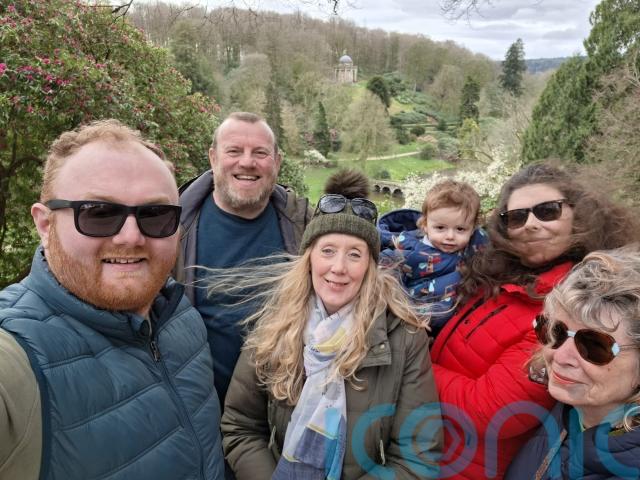
Josh Catford, 30, a category manager who lives in Dorset, was diagnosed with acute lymphoblastic leukaemia (ALL) – a rare type of cancer which affects the blood and bone marrow – in April 1996 at just seven months old.
The diagnosis came after Josh’s mother, Sarah Catford, 58, a gardener who lives in Somerset, spent several weeks going “backwards and forwards to the doctors” after discovering a 10p-sized lump on his leg.
Josh underwent five rounds of chemotherapy, was given morphine, contracted several infections and nearly did not survive, but after a match was found through charity Anthony Nolan’s register, he received a stem cell transplant which “helped save (his) life”.
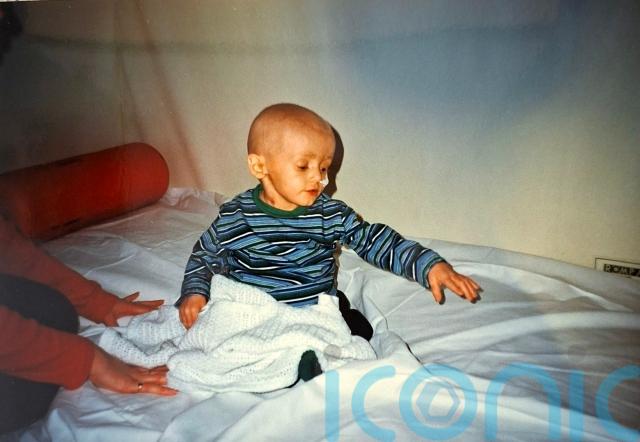
At the time, Sarah was told Josh would be left infertile from the transplant and, even in his late 20s, doctors said he “wouldn’t be able to have children”, but his “miracle” son Alfie, who is now 15 months old, was conceived naturally.
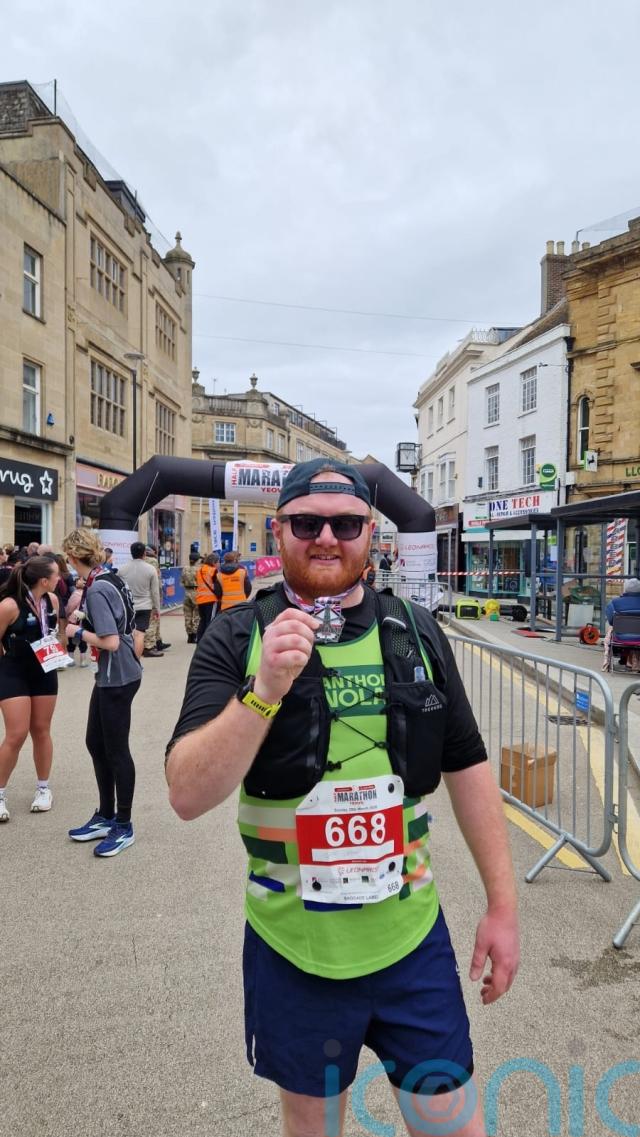
Josh is now taking on the TCS London Marathon this Sunday to raise money for Anthony Nolan and wants to encourage others to join the stem cell register.
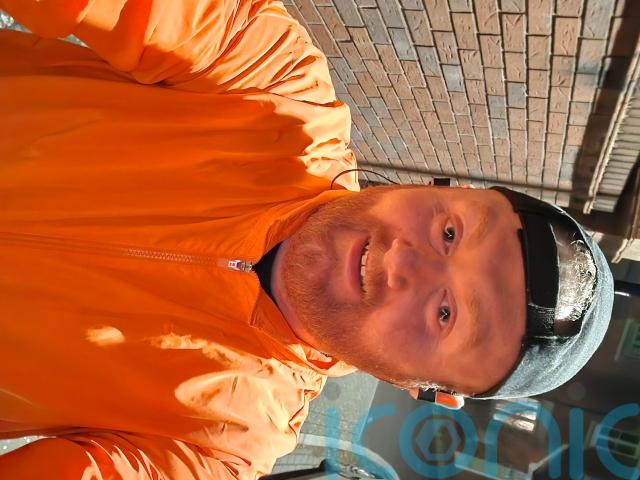
Speaking about the marathon, Josh told PA Real Life: “I wanted to mark something – and 30 years is a big milestone.
“I wanted to do something completely out of my comfort zone and for Anthony Nolan, which, essentially, helped save my life.
“Combining something completely out of my comfort zone with trying to raise as much money as possible for an amazing charity, what more reason can you need? It was a no-brainer.”
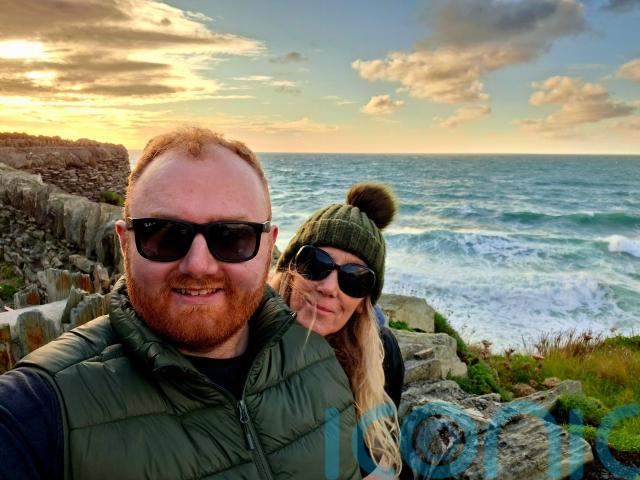
Sarah said: “I will probably be in floods of tears at the finish line.
“We’re just so immensely proud of him for doing this. It’s just amazing.”
Sarah explained that Josh was a “poorly baby” and regularly picked up infections.
He received all the necessary immunisations, but after the third and final one, Sarah said she noticed a “little lump” on his leg on the inside of his shin.
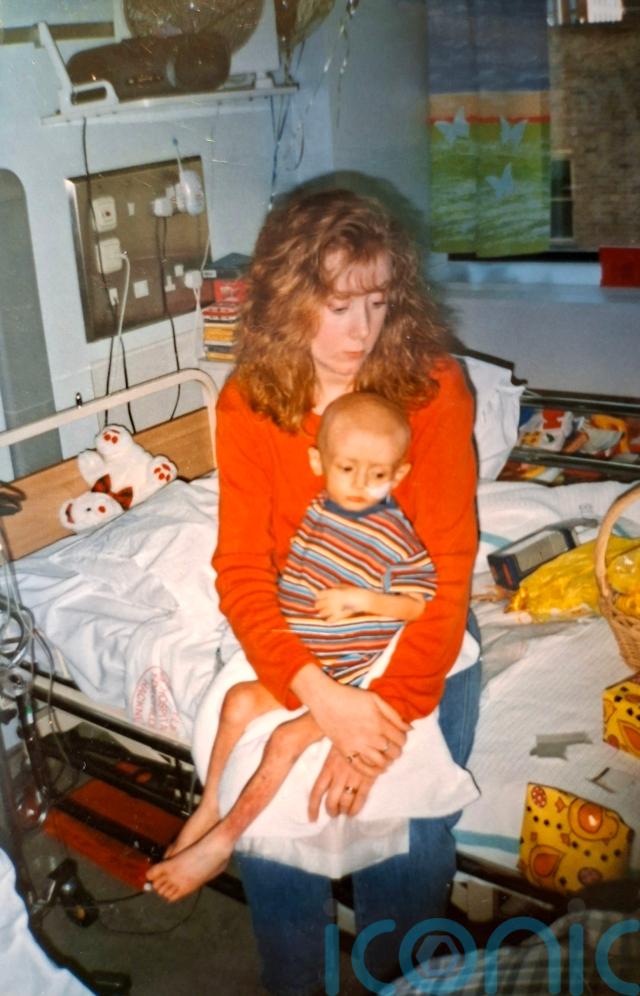
“I took him to the doctor’s and they didn’t know what it was, but they didn’t think it was connected to the immunisations,” she said.
“So they sent me home and said, if it doesn’t get any better, come back.
“I did that a few times and it got to the point where (the lump) hadn’t gone and I wanted to see a specialist, so they referred me to a consultant at our local hospital.
“I went there and he also dismissed it, which was worrying. His words were: ‘I don’t think it’s cancerous or anything, come back in six months’.”
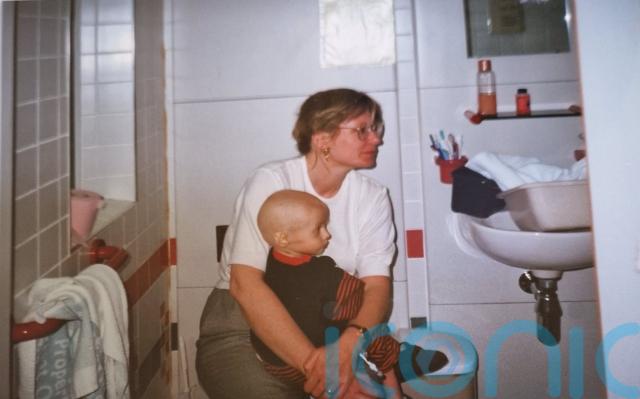
Sarah was not “satisfied” with this advice and, shortly after this appointment, Josh had a high temperature and she could not settle him through the night.
She phoned the GP in the morning and managed to secure an appointment for that afternoon, where she was told to go A&E immediately – and she later learned the doctor thought Josh might have meningitis.
However, after several hours of testing at East Surrey Hospital, a consultant told the family he was almost certain Josh had leukaemia.
“It was a massive shock, I wasn’t expecting that,” Sarah said.
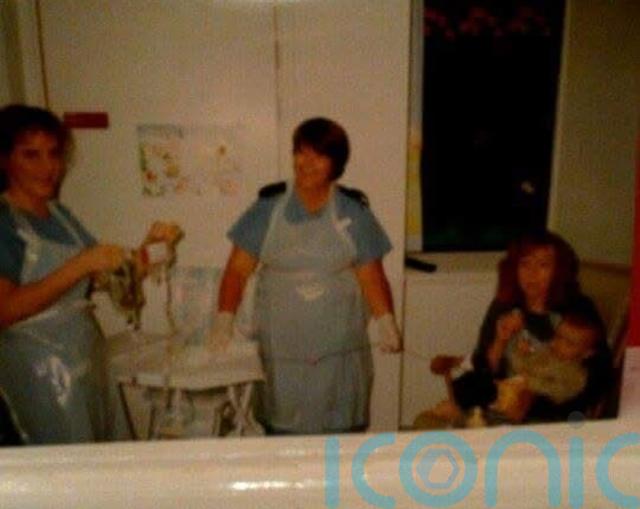
After Josh had a lumbar puncture in the morning for further testing, he was transported to Great Ormond Street Hospital (Gosh) in London by ambulance, which was “all very scary”.
The family were then taken to the Robin Ward for oncology and given a room, where a consultant confirmed it was ALL on April 23 1996.
“It was utter disbelief,” Sarah continued.
“I just remember having to give Josh to my husband because I thought I was going to drop him because it was such a shock.
“You only hear that and think, well, that’s it, he’s going to die. That’s all you think about.”
The next morning Josh had a Hickman line fitted – a flexible plastic tube which is placed under the skin of the chest – and received his first dose of chemotherapy.
Within hours, Sarah said the lump on his leg had disappeared and they were told it was a cluster of cancerous cells.
“This was hard to hear because I’d been backwards and forwards to the doctors trying to find out what it was – and it was cancer,” she said.
Josh underwent five rounds of chemotherapy, which eventually placed him in remission, but the family were told he would need a stem cell transplant to have the “best chance of survival”.
However, since statistics on survival rates were limited at the time, Sarah said doctors could not tell her if would “survive past five years”.
Plus, during this time, doctors informed Sarah that having the transplant would make Josh infertile – and she left a diary entry in her notebook at the time.
She said: “It shocked and upset me… but it wasn’t going to stop us putting him through all the treatment because we wanted him here and we knew that, one day, there’d be something that would help him.”
In May 1996, Sarah, Josh’s father Jim and his sister Jemma were all tested as potential donors but they were not a match.
Searches were done through Anthony Nolan’s stem cell register and Sarah said a 39-year-old male was found as a match.
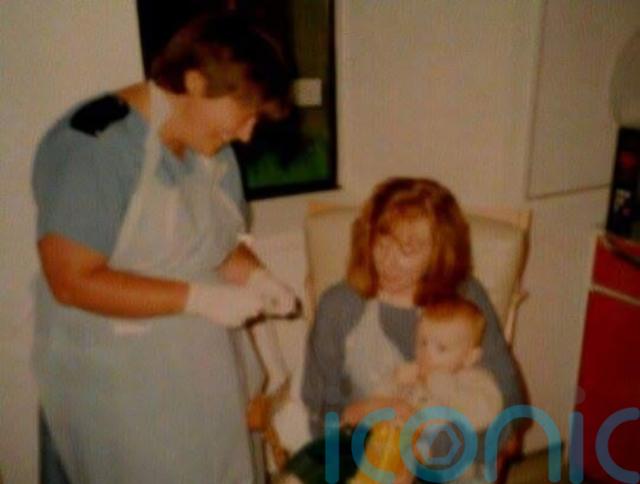
Josh underwent the stem cell transplant, also known as a bone marrow transplant, in December 1996 and Sarah said this was “the best feeling ever”.
The transplant was successful and, although Josh suffered life-threatening complications afterwards, he was finally discharged in April 1997, around one year after his diagnosis.
During his time in hospital, Spice Girl Geri Halliwell-Horner visited the ward.
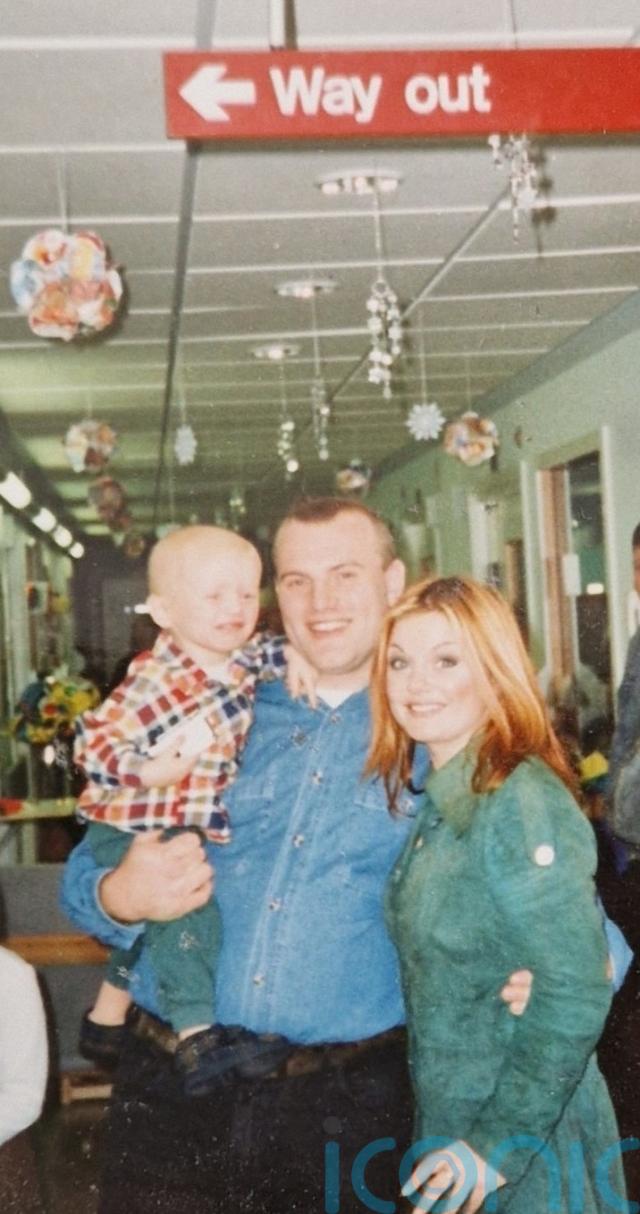
“It was incredible because we didn’t think we were going to get there,” Sarah said.
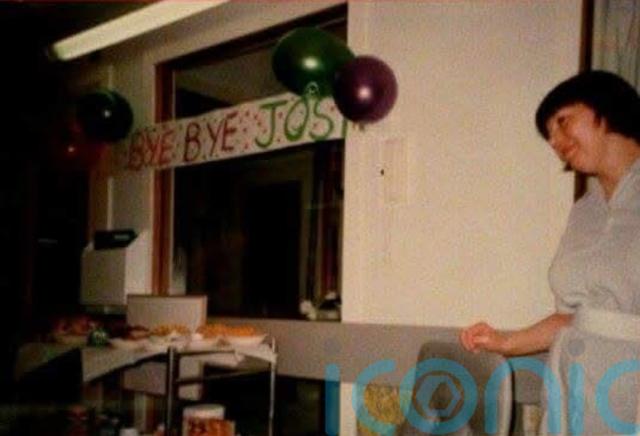
“The hospital actually threw a party for him when we left because we’d been in there longer than anyone else.
“It was the best feeling to be leaving … and although it took some adjusting, we got there and thank goodness it worked out because here he is – it’s amazing.”
Josh has since achieved many milestones and, even though he was told he would not be able to conceive naturally and would most likely need fertility treatment, he has defied the odds again.
His fiancee Rebecca became pregnant naturally and their son, Alfie, was born in January 2025.
“Just before Alfie was born, I was told I still wouldn’t be able to have children, we’d have to have IVF,” Josh said.
“I was having regular tests and still told, ‘No, the chances are extremely low’.
“He’s a little miracle.”
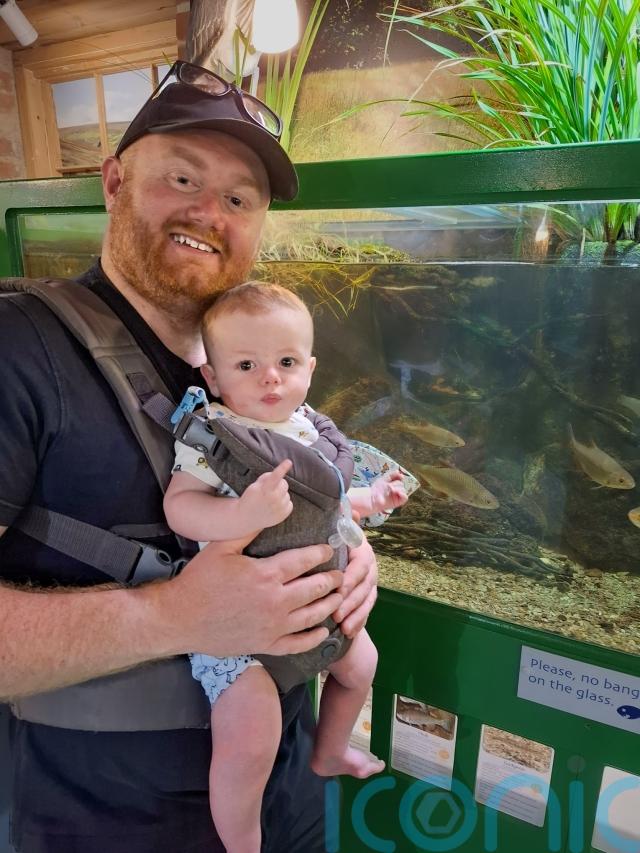
Josh said he had to take penicillin daily for his weakened immune system for 18 years post-transplant and still has regular check-ups, but he currently does not take any medication for his ALL.
Now, to mark 30 years since his diagnosis, Josh is running the TCS London Marathon to “give back” to Anthony Nolan.
He is hoping to raise £2,500 in total and thinks he will feel “ecstatic” and “incredibly emotional” when he crosses the finish line.
He and Sarah are urging everyone to join the stem cell register, as they said: “It is such a simple thing to do and you could essentially save someone’s life.”
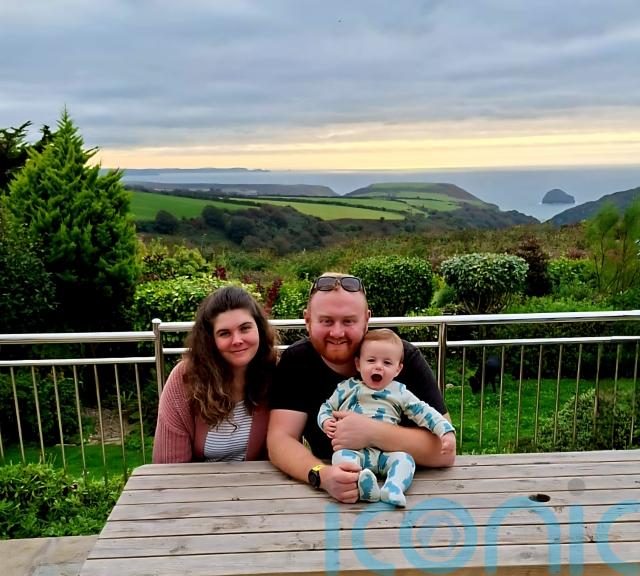
Reflecting on the past three decades, Sarah said: “He’s a fighter, he absolutely is, and they all said that in the hospital.
“All the things that he shouldn’t have survived, he did. They called him a little miracle.”
Josh added: “It will be a whirlwind of emotions (when I cross the finish line), but I’ll just feel thankful that I’ve been able to do it and I’m here 30 years later to be able to do it.”
To donate or find out more, visit Josh’s fundraising page at 2026tcslondonmarathon.enthuse.com/pf/josh-catford.
For more information about Anthony Nolan, visit its website at www.anthonynolan.org.

Subscribe or register today to discover more from DonegalLive.ie
Buy the e-paper of the Donegal Democrat, Donegal People's Press, Donegal Post and Inish Times here for instant access to Donegal's premier news titles.
Keep up with the latest news from Donegal with our daily newsletter featuring the most important stories of the day delivered to your inbox every evening at 5pm.

This publication supports the work of the Press Council of Ireland and Office of the Press Ombudsman, and our staff operate within the Code of Practice of the Press Council. You can obtain a copy of the Code, or contact the Council, at www.presscouncil.ie, Lo-call 1800 208 080 or email: info@presscouncil.ie.