Gardaí are appealing for witnesses following a serious road traffic collision in Sligo
Search


20 Apr 2026

Please allow ads as they help fund our trusted local news content.
Kindly add us to your ad blocker whitelist.
If you want further access to Ireland's best local journalism, consider contributing and/or subscribing to our free daily Newsletter .
Support our mission and join our community now.
To continue reading this article, you can subscribe for as little as €0.50 per week which will also give you access to all of our premium content and archived articles!
Alternatively, you can pay €0.50 per article, capped at €1 per day.
Thank you for supporting Ireland's best local journalism!


The art of tablescaping is becoming so popular that RHS Malvern Spring Festival is debuting a floral tablescaping category in its RHS-judged gardens this year.
One of the entrants, Ashley Edwards, wedding and event florist at Ash Tree Floral Designs in Birmingham, is designing At The Threshold: The Garden Comes To The Table, which shows the anticipation between spring and summer, when plants, bulbs and flowers emerge with energy and promise.
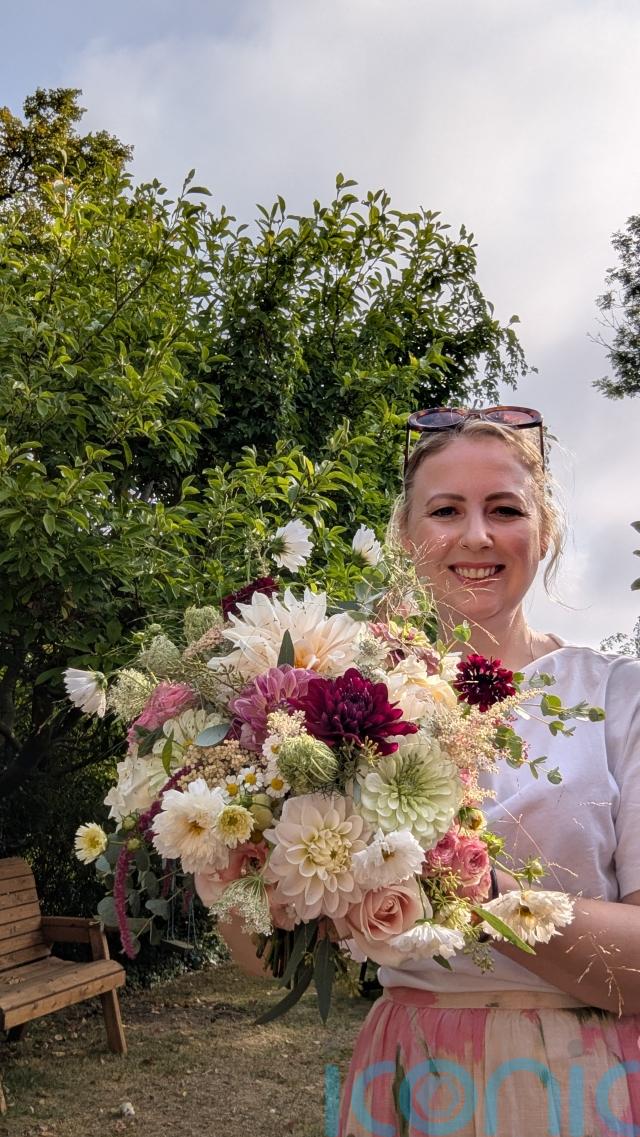
It will feature a mixture of cut flowers and plants, using terracotta pots mixed with cut flowers that look like they are growing through the table.
She offers advice to beginners who want their garden tables to look dazzling.
Avoid too many colours
“That’s a key thing with a tablescape. Things look more cohesive with just one or two coordinating colours rather than throwing everything at it which will make it look busy and messy.”
Make it seasonal
“Ensure your flowers are seasonal,” she advises. “Look at what you’ve got in the garden.
“Use things which have a bit of shape and natural movement, like tulips at this time of year because they are phototropic and move with the light.
“The lovely open petals of ranunculus have some impact on the table, and as we move into summer, garden roses are great because they are scented and always look good in a vase.”
In late summer, you could use dahlias, which work well in tablescapes because of their large heads, and you won’t need as many of them to create impact, she adds.
“Going into the autumn, you can use seedheads in dried tablescapes with things like allium and scabious seedheads, rose hips and berries,” she suggests.
Don’t forget foliage
“You can use different shapes of foliage in different shades of green, as well as things like ninebark (Physocarpus opulifolius), which has a dark foliage colour.”
Consider the occasion
Are you just creating the tablescape for floral colour interest on a table that isn’t particularly going to be used, or are you decorating a dinner table where guests will be seated?
“Consider your space. If you have something like a trestle table, they are not very wide so you don’t want to over-clutter the table, which may get in the way of it being practical,” she says.
“Also take into account your table linens and other accessories. To coordinate your table linens and table mats, either go neutral so that it doesn’t clash with the flowers, or bring some of the key colours in with, say, your napkins, or even bring another element on to the table such as stones, or dried moss of fruit.”
Think about height
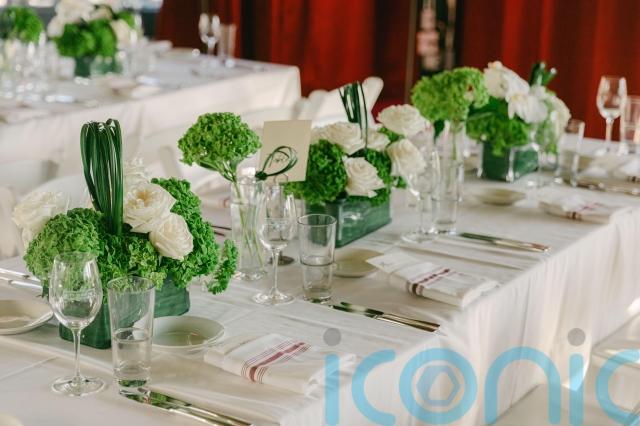
“If it’s a vase of flowers on the table, they say (it should be) no higher than a bottle of wine. If you’re going low, you could have baby bud vases, but if you are going to elevate (the display) on a stand or in a narrow necked vase, it needs to be raised 70cm so you don’t block people’s view.
“You wouldn’t have a solid one line. You’d have various heights. Maybe going up to a bottle of wine height would be a wispy piece of grass or a single stem. It’s not a block of all one thing.”
Go for repetition
“Repeating patterns look really good and have a lot of impact. You could either do evenly spaced arrangements that are similar to each other, or you could do small groupings and then gaps of negative space (empty space).”
Positive space is the filled space, which might be the floral pieces, tableware and linens.
Be adventurous with containers
You could do bud vases, or vintage opaque containers or vases with chicken wire inside which will hold the flowers up well and help them keep in place.
Alternatively a more rustic feel might be bulbs planted in terracotta pots with moss on the top, she suggests.
“At my wedding, we spray-painted tin cans and planted succulents in them, which looked really nice on the table in little groups.”
Keep it simple
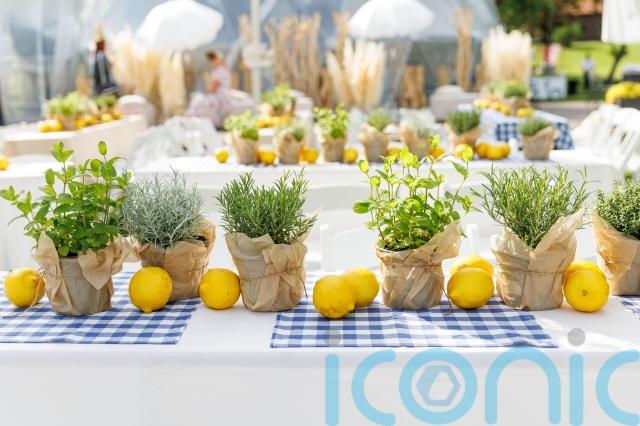
“Simpler is better, just sticking to one or two colours and one or two types of container. Repeating patterns is good, maybe incorporating a natural element, but if you include fruit, for instance, maybe just do the fruit. Don’t add some shells and some stones as well. Adding candles can enhance the atmosphere.”
Look for inspiration
“Pinterest is great for inspiration to give you a push in a direction you might not have thought of.
“Also look at what grows together in the garden as well, thinking about the natural height to help with your composition. If you’ve an allium, that could look lovely as your taller element and you may have something more low-growing, so you’re creating a little garden on your table.”
Choose fillers
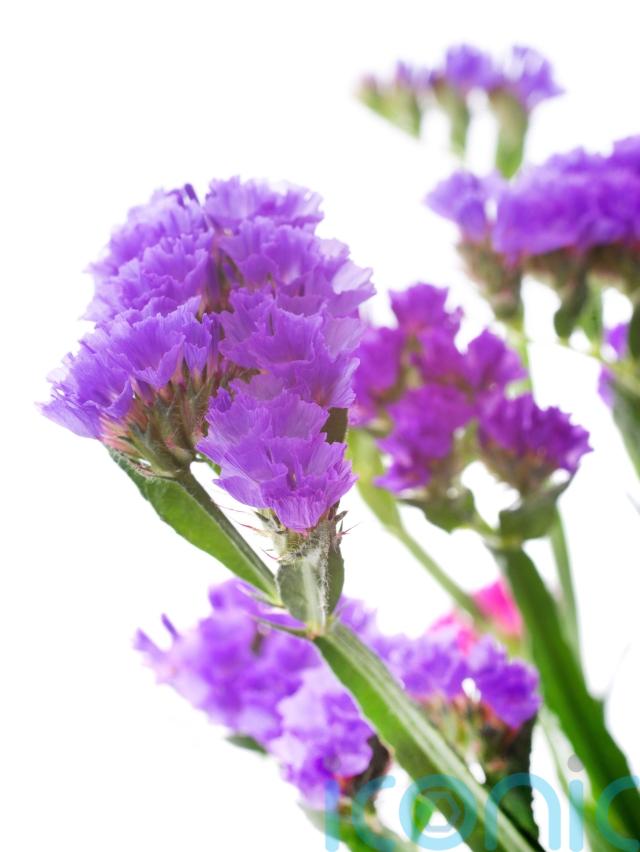
Fillers such as statice, which you can grow in the garden, are ideal for fluffing up a tablescape, she says.
“Solidago works really well and grasses are very popular for creating movement.”
RHS Malvern Spring Festival takes place from May 7-10.

Subscribe or register today to discover more from DonegalLive.ie
Buy the e-paper of the Donegal Democrat, Donegal People's Press, Donegal Post and Inish Times here for instant access to Donegal's premier news titles.
Keep up with the latest news from Donegal with our daily newsletter featuring the most important stories of the day delivered to your inbox every evening at 5pm.

This publication supports the work of the Press Council of Ireland and Office of the Press Ombudsman, and our staff operate within the Code of Practice of the Press Council. You can obtain a copy of the Code, or contact the Council, at www.presscouncil.ie, Lo-call 1800 208 080 or email: info@presscouncil.ie.