
The late Jason Faulkner shouldering his sister Scarlett's coffin on Friday
Search


21 Apr 2026

Please allow ads as they help fund our trusted local news content.
Kindly add us to your ad blocker whitelist.
If you want further access to Ireland's best local journalism, consider contributing and/or subscribing to our free daily Newsletter .
Support our mission and join our community now.
To continue reading this article, you can subscribe for as little as €0.50 per week which will also give you access to all of our premium content and archived articles!
Alternatively, you can pay €0.50 per article, capped at €1 per day.
Thank you for supporting Ireland's best local journalism!


When it comes to before and afters, planning your dream extension and maximising living space is right up there when it comes to home renovations.
Especially with the cost of moving and the housing market being relatively stagnant, many homeowners are choosing to invest in improving what they already have.
And summer, in particular, offers the ideal opportunity to extend, with longer days, better weather, and chance to have your space ready to enjoy when it matters most.
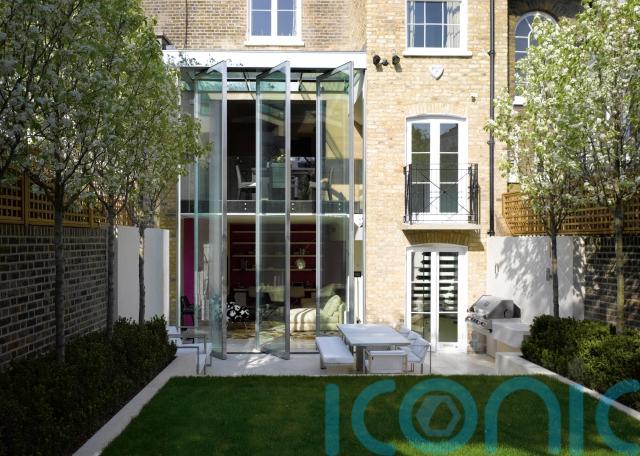
“Whether you’re looking to create more downstairs space with seamless indoor-outdoor living, or add an extra bedroom as your family grows, a summer extension can transform how you live.”
“Just in time to make the most of brighter months and beyond,” highlights Costel Radescu, founder of CR Group, specialising in property renovations, extensions and new builds, with more than 19 years experience throughout the building sector.
Here, he explains everything you need to know to get going…
What you’ll need permission-wise
The first step is planning permission, and each extension requires different permissions…
Loft conversion: “Many loft conversions can be completed under permitted development, providing the extension remains within set size limits,” explains Radescu.
“Up to 40 cubic metres for terraced properties and 50 for semi-detached or detached homes, and doesn’t extend past the existing roofline or project beyond the walls.”
He continues: “If it meets this criteria, it can usually be done without planning permission, which helps reduce both time and costs.”
However, he says properties in conservation areas, as well as flats and listed buildings, typically still require full planning approval.
Small side return extension: “A small side return extension, or even a porch, providing it meets the above extension limits, is single story, doesn’t exceed four metres in height and takes up less than 50% of the land around the original house.
“And does not front onto a highway, can also be completed under permitted development,” he outlines.
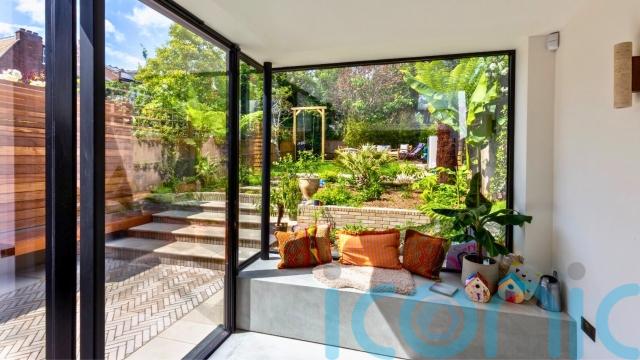
Larger extensions: “If you’re opting for a larger extension, like a double-storey extension, then you’ll need the relevant permission from your local council,” explains Radescu.
He says it’s worth looking at what’s already been completed on your street, before putting in your planning application.
“If there are other properties which have had the front altered, gone up into the roof, or added a large back extension to increase the size of the kitchen and living space, chances are, you’ll also get approval.”
Here’s how not to go over budget
As Radescu puts it: “With prices seemingly going up daily on everything right now, you’re right to be cautious about going over budget.
“For any build project, your builder should allow for contingency, usually at least 10% of the total cost of your build.”
This contingency will allow for any hiccups along the way, he explains.
“While your builder will have come up with a comprehensive plan ahead of time; planning what materials are needed and ensuring they’re in stock at the desired price, things can crop up.”

“From problems with plumbing and needing to divert pipes, to adding electrics or even the need for a deeper foundation.”
What won’t be accounted for within that contingency are changes to the agreed design, warns Radescu.
“If you decide halfway through the build that you want bi-folds over French doors, for example; or you change your mind on the flooring or roof tiles, then those things will be additional to your contingency.”
He continues: “Yes, if there’s any left after the build is complete, they can go towards those extras. But it’s vital you keep that contingency for the things that are vital to delivering your perfect extension.”
For peace of mind, he suggests sitting down with your builder and listing “absolutely everything you want.”
Once they have a reasonable idea, and have given you a quote for completing the work, as is: “That’s when to decide if you have the extra budget for those added bits and pieces.
“Or if those might have to wait,” he adds.
Finishing touches which are worth it
There are certain finishing touches that are truly worth the investment; the details which shape how you use and enjoy the space everyday, highlights Radescu.
“An island with an integrated sink and hob, for example, allows you to cook while still being part of the room, keeping sight of family and guests.”
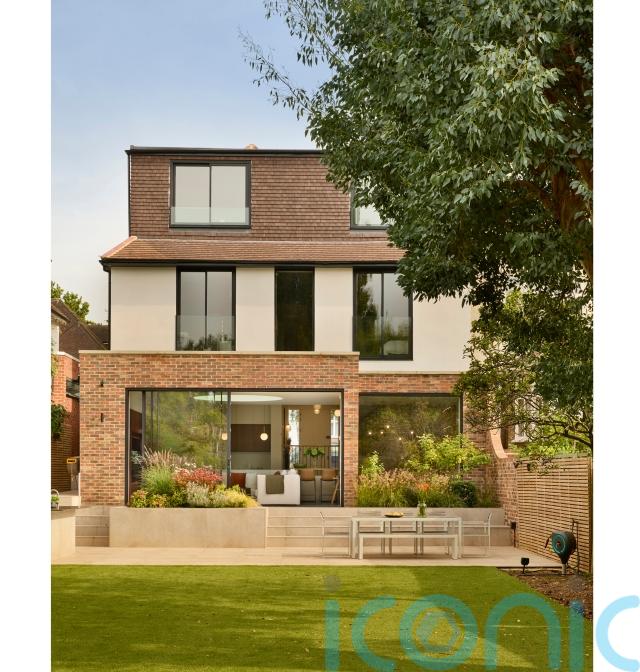
“Bi-fold doors are another standout feature, opening up the space during the summer months and creating an easy connection between indoors and out,” says the building expert with a passion for design.
He says flooring is also a finishing touch that’s worth it. “Whether you’re opting for porcelain tiles, which you can match to your patio; or a hardwood floor, which you can run throughout the whole of the downstairs area.
“Consistent, well-sought-out and practical flooring will always be a worthwhile investment.”
This is especially true if you’re having underfloor heating installed, he underlines, and says you don’t want to put something cheap down and then have to replace it.
“It’s also worth thinking about where your extension is in your home. If you’ve added an extra bedroom, while hardwood flooring will look beautiful, it can be noisy.”
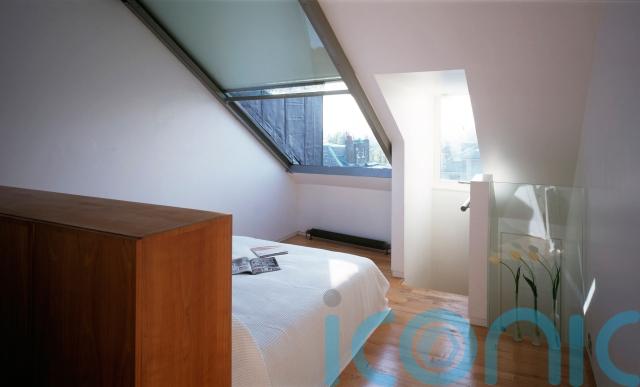
“The same applies with a loft conversion… noise travels, so opting for carpet or extra rugs to absorb the sound is a practical solution,” he adds.
Heating is another thing to consider… if you’re looking to extend into your loft, he says air conditioning may be worth the extra add-on.
“And don’t forget bi-fold doors look beautiful and open up the space into your garden, but they’re also a ‘wall of glass.’
“Speak to your builder about how you can manage the additional heat these may add to your room, and if this will affect your flooring choice,” he advises.
Building on the benefits of the added expense, Radescu says if it’s something which is going to be in place for a while, then it’s worth it.
“Spend on your kitchen work surfaces, your flooring and bi-folds or windows.”
“The key to a successful summer extension is good planning, time management and clear communication with everyone involved,” he highlights.

Subscribe or register today to discover more from DonegalLive.ie
Buy the e-paper of the Donegal Democrat, Donegal People's Press, Donegal Post and Inish Times here for instant access to Donegal's premier news titles.
Keep up with the latest news from Donegal with our daily newsletter featuring the most important stories of the day delivered to your inbox every evening at 5pm.

This publication supports the work of the Press Council of Ireland and Office of the Press Ombudsman, and our staff operate within the Code of Practice of the Press Council. You can obtain a copy of the Code, or contact the Council, at www.presscouncil.ie, Lo-call 1800 208 080 or email: info@presscouncil.ie.