Search


21 Apr 2026
Search
21 Apr 2026

Please allow ads as they help fund our trusted local news content.
Kindly add us to your ad blocker whitelist.
If you want further access to Ireland's best local journalism, consider contributing and/or subscribing to our free daily Newsletter .
Support our mission and join our community now.
To continue reading this article, you can subscribe for as little as €0.50 per week which will also give you access to all of our premium content and archived articles!
Alternatively, you can pay €0.50 per article, capped at €1 per day.
Thank you for supporting Ireland's best local journalism!


The BBC has said it is “willing to consider radical options for future funding”, adding it would consider a cut to the licence fee or offering more concessions to help with affordability.
The current model is “not sustainable and needs reform”, according to the corporation, as it faces cost-saving measures as well as increased production costs and declining licence fee income.
The BBC has set a new target of £500 million in savings over two years, saying this will “inevitably mean changes, and we are looking at all options”.
In its response to the Government consultation on its own future, the BBC said the alternative suggestion of a subscription model would lead to “a very different BBC”, and would “not be universal”.
Instead, it would be “based on maximising value to some not to all”, and would “turn a public service into a consumer product, excluding many households – particularly older people and people on lower-incomes.”
The BBC response also raised issue with suggestions of a two-tier or top-up subscription model, in which more commercial content – such as drama, comedy and entertainment – is behind a subscription tier.
It says: “This would deny non-subscribing households, including those that cannot afford to subscribe, access to content that is central to the BBC’s public purposes.”
The BBC is currently used by 94% of adults a month but only 80% pay the licence fee, according to the latest figures.
The annual charge will rise to £180 from April 1, up from £174.50.
It has been suggested that the BBC moves to a model funded by advertising, but the corporation points out this would also lead to a “different BBC”, adding: “There are well-founded and longstanding concerns about a full advertising model,” including the fact it would draw revenue away from other broadcasters, including public service broadcasters (PSBs).
In response to the suggestion in the government Green Paper that more households are required to pay but each paying less, the BBC said: “We welcome this kind of radical thinking.”
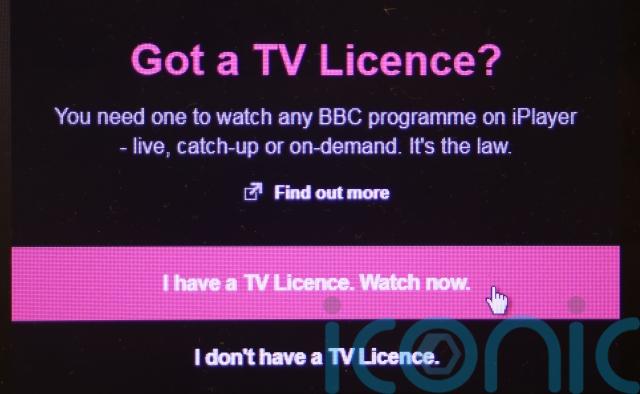
The response added: “A price cut to support the cost of living and affordability is not sustainable under the status quo, however in combination with other changes to protect universal funding it could be a bold move to support the BBC’s long-term sustainability.”
The BBC also said it is “open to operating more concessions to help with affordability”.
At present, there are three concessions funded from licence fee income, including free TV licences for over-75s in receipt of pension credit, half-priced licences for the severely sight impaired or blind, and an annual fee of £7.50 for people living in some types of care.
The corporation said it is “sensitive to the cost-of-living pressures households are experiencing,” adding: “Over recent years, lower income households are likely to have felt the cost of the licence fee more acutely as they manage rising costs across the board while income growth has stalled.”
The BBC has said it will also endeavour to deliver more efficiencies and value for money, but that will not be enough to plug the shortfall in funding, meaning an overhaul of the licence fee is necessary.
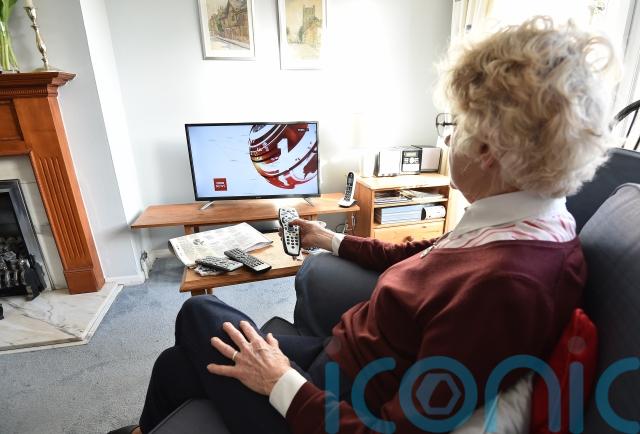
It proposes that iPlayer could be opened to others PSBs, which include ITV and Channel 4, and their commercial services, while BBC Sounds could also be opened up to UK third parties.
The move could allow shows such as The Great British Bake Off and Gogglebox to be available on iPlayer.
The response said: “This could help ensure the UK retains a streaming platform that competes with global services and remains a first choice for audiences.”
Under the proposal it would be made clear which content originates from the BBC and which does not.
The response also points out there are “complications and inconsistencies” under current rules with streaming services that offer live content.
A TV licence is required to watch any live video content on any streaming service, including Netflix and Prime Video, which regularly host events including live sports, and the BBC said: “It is not widely understood by their audiences, and there is little or no effort made by the services in question to inform them.”
The corporation also calls on the Government to “take back full funding” of the World Service, which since 2014 is primarily funded by the UK licence fee with an annual contribution from the Government.
It said: “The current arrangement leaves it vulnerable to the BBC’s wider financial challenges and does not allow long-term planning or support the effective delivery of a strategic vision.”
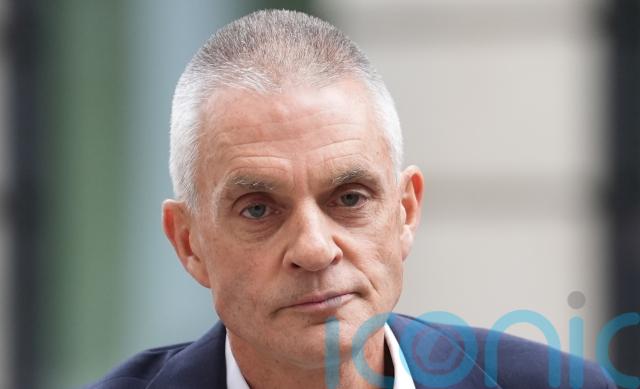
The corporation also suggests an end to the fixed-term charter period.
The charter sets out the BBC’s public purpose and is the constitutional basis for the corporation, which is predominantly funded through the licence fee, paid for by UK TV-watching households.
Renewed around every 10 years, its current charter ends in December 2027.
However, the BBC suggests ending the expiry date, and with it the recurring threat to its existence.
It also proposes changes to the way board appointments are made so that they follow a new and more clearly defined process.
The charter renewal comes at a time of flux for the BBC.
Tim Davie resigned as director-general in November following allegations that the BBC selectively edited a speech by Donald Trump on the day of the US Capitol attack for a Panorama documentary.
Rhodri Talfan Davies has been confirmed as the corporation’s interim director-general and will take on the role from April 3.

Subscribe or register today to discover more from DonegalLive.ie
Buy the e-paper of the Donegal Democrat, Donegal People's Press, Donegal Post and Inish Times here for instant access to Donegal's premier news titles.
Keep up with the latest news from Donegal with our daily newsletter featuring the most important stories of the day delivered to your inbox every evening at 5pm.

This publication supports the work of the Press Council of Ireland and Office of the Press Ombudsman, and our staff operate within the Code of Practice of the Press Council. You can obtain a copy of the Code, or contact the Council, at www.presscouncil.ie, Lo-call 1800 208 080 or email: info@presscouncil.ie.