Search


22 Apr 2026
Search
22 Apr 2026

Please allow ads as they help fund our trusted local news content.
Kindly add us to your ad blocker whitelist.
If you want further access to Ireland's best local journalism, consider contributing and/or subscribing to our free daily Newsletter .
Support our mission and join our community now.
To continue reading this article, you can subscribe for as little as €0.50 per week which will also give you access to all of our premium content and archived articles!
Alternatively, you can pay €0.50 per article, capped at €1 per day.
Thank you for supporting Ireland's best local journalism!


Home heating oil customers in Northern Ireland will see no relief from high prices until the conflict in the Middle East is resolved, MPs have been told.
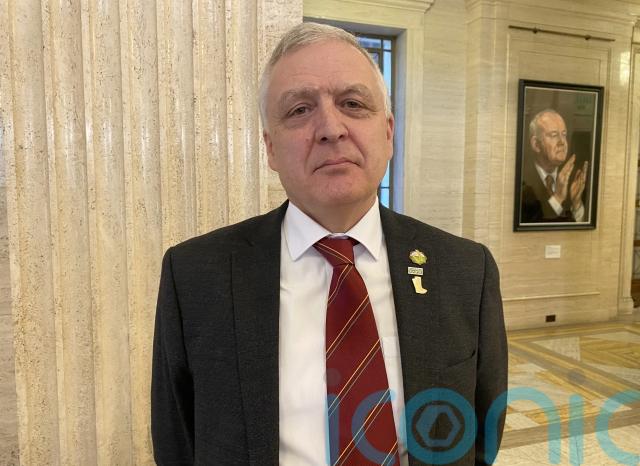
David Blevings, executive director of the Northern Ireland Oil Federation said the war had had a “devastating effect” on the industry.
The Northern Ireland Affairs Committee heard evidence from industry representatives about the rise in energy prices.
The cost of fuel has soared since the war in Iran.
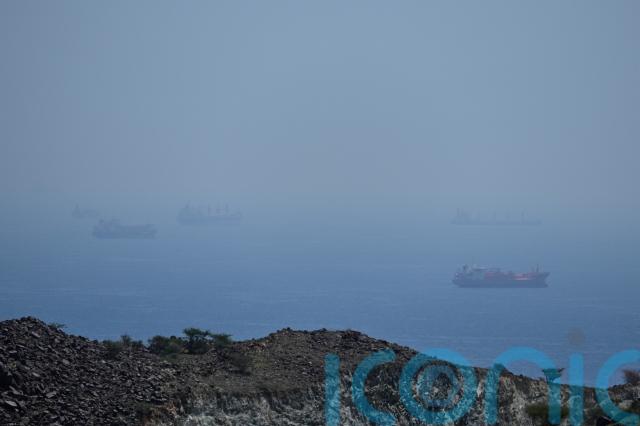
The US and Israel began bombing Iran on February 28, after which the Iranians began an effective blockade of vital trading route the Strait of Hormuz, disrupting energy and fuel supplies.
In Northern Ireland, almost two thirds of domestic properties use home heating oil.
Mr Blevings said the situation in the Middle East had had a “huge impact, not only on my industry, but on consumers”.
He added: “We have seen a huge spike, 97% in the price of kerosene locally and again that is due to the factors of the American invasion of Iran and the closure of the Strait of Hormuz.
“It has had a huge impact on my members getting product and obviously the price they have to pay for that product.
“We have seen a huge amount of panic buying by consumers and no matter how many times you tell people not to panic buy, it usually has the opposite effect.
“It has had a devastating effect on the industry itself and a fear factor, I think, for consumers thinking ahead to this winter.”
He added: “Until the situation is resolved in the Middle East we are not going to see any short-term relief.
“If the Strait of Hormuz remains closed I do worry about the future for this winter.
“We have about 40% of jet fuel which comes from the Gulf states, if it is resolved quickly in the next couple of weeks we could see a return to relative normality by quarter four of 2026.
“But if we have a prolonged infraction in Iran this winter in particular looks very difficult.”
Last week the Stormont Executive announced a relief scheme which will allow home heating oil customers with an income of less than £30,000 to apply for a £100 prepaid card.
Mr Blevings said:”£100 won’t even buy you 100 litres in today’s terms. Can we not look at removing the 5% VAT?
“That is relatively simple to do and would be effective for consumers who earn over the £30,000.
“I have had a lot of calls from people who earn £32, £33, £34,000, they are saying they are going to miss out on this £100.”
He added: “I would have concerns about this winter if we don’t (see) a resolution to this problem in the Middle East in the next two to three weeks.”
The committee also heard from William Irvine, the president of the Ulster Farmers’ Union.
He said Northern Ireland’s agri-food sector is facing an “immediate and externally driven cost shock”.
Mr Irvine said: “This has put the stress on farms to a new level.
“Our intensive sector are quite high energy users, we are on the point of our grass harvest season which requires a lot of fuel.
“Our arable and potato guys are particularly vulnerable.
“We are hearing reports of potato farmers selling their harvest machinery to raise the capital to plant this year’s crop.
“How that is sustainable I do not know but that is the pressure that is at farm level at the moment.”

Subscribe or register today to discover more from DonegalLive.ie
Buy the e-paper of the Donegal Democrat, Donegal People's Press, Donegal Post and Inish Times here for instant access to Donegal's premier news titles.
Keep up with the latest news from Donegal with our daily newsletter featuring the most important stories of the day delivered to your inbox every evening at 5pm.

This publication supports the work of the Press Council of Ireland and Office of the Press Ombudsman, and our staff operate within the Code of Practice of the Press Council. You can obtain a copy of the Code, or contact the Council, at www.presscouncil.ie, Lo-call 1800 208 080 or email: info@presscouncil.ie.