Gardaí are appealing for witnesses following a serious road traffic collision in Sligo
Search


21 Apr 2026

Please allow ads as they help fund our trusted local news content.
Kindly add us to your ad blocker whitelist.
If you want further access to Ireland's best local journalism, consider contributing and/or subscribing to our free daily Newsletter .
Support our mission and join our community now.
To continue reading this article, you can subscribe for as little as €0.50 per week which will also give you access to all of our premium content and archived articles!
Alternatively, you can pay €0.50 per article, capped at €1 per day.
Thank you for supporting Ireland's best local journalism!


Scotland’s councils must “fundamentally reconfigure” how they operate to become financially sustainable, a watchdog has said.
A bulletin published by the Accounts Commission on Thursday shows 90% of local authorities had met their savings targets, but they reported a collective overspend of almost £17 million in day-to-day spending in 2024-25.
In the same year, a drop in capital funding meant councils were forced to borrow to pay for projects, with debts rising £2.5 billion in a single year – to a total of £21.9 billion – and £1.2 billion being spent servicing debts annually.
An Accounts Commission report last year found a budget gap of £647 million in 2025-26 and almost £1 billion by 2027.
In 2024-25, there was a 1% real-terms increase in funding from the Scottish Government, but 24% of all funding was ring-fenced for national policy commitments, up from 21% the previous year.
Derek Yule, a member of the Accounts Commission, said: “Despite increased funding and income, councils are struggling to cope with the financial pressures they face.
“A growing gap between costs to deliver services and funding available is risking the financial sustainability of councils.
“We’re already seeing the impact on services – the pace of improvement is slowing, some services are being cut or are harder to access, and there are growing levels of dissatisfaction from communities.
“Councils must fundamentally reconfigure how they operate and deliver services.”
Scottish Conservative finance spokesman Craig Hoy described the report as “apocalyptic”.
He added: “For years, the nationalists have short-changed local authorities and hampered their ability to deliver essential services despite imposing whopping council tax rises.
“Councils are already borrowing to fund schools and housing – and yet the financial crisis is deepening.
Demand for council services and costs are rising faster than available funding.
Councils are at risk of becoming financially unsustainable.
This is impacting services.
They must fundamentally rethink how they operate and deliver services: https://t.co/Yg72ES5Czb pic.twitter.com/GIO6LuEg1a
— Accounts Commission (@AccCommScot) January 29, 2026
“Local authorities have made savings, raised fees and charges, and yet the latest SNP Budget settlement is not enough to bridge the gap.
“If the lack of support from John Swinney’s Government continues, there an existential threat to Scottish councils.
“Meanwhile, local residents will continue to be hammered by huge tax rises as services are cut to the bone or closed altogether.”
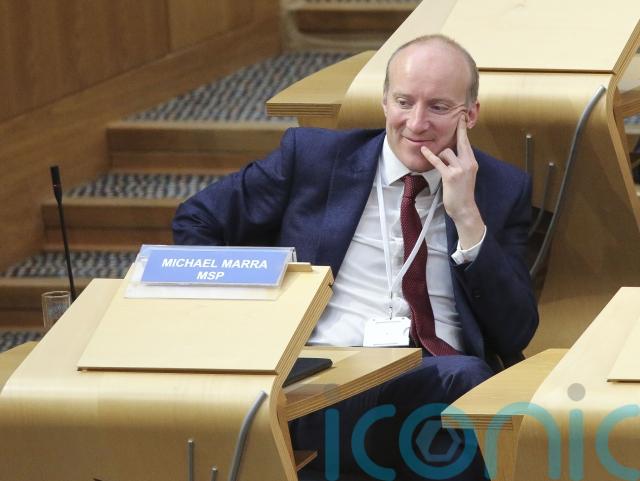
Scottish Labour finance spokesman Michael Marra said the “dire financial situation” facing councils is a “direct result of 19 years of John Swinney and the SNP”.
He added: “They have starved local government of funding, destroyed local services, and seek to pass the blame to someone else.
“If we don’t get a change of government in May, it will be more of the same from John Swinney and the SNP, and local communities will pay the price.”
Scottish Liberal Democrat finance spokesman Jamie Greene said there is a “titanic gulf” between the funding available to councils and the costs they are struggling with.
He said: “The SNP have demanded councils do more with less while an increasing proportion of spending decisions are dictated by ministers half a country away.
“As a result, we have ended up with school strikes, bin strikes and shortages of elderly care packages.
“The Scottish Government must act now to put local authority finances on a sustainable basis.”
A spokeswoman for the Scottish Government said: “We recognise the financial challenges that local authorities face, which is why the draft 2026-27 Budget provides Scotland’s councils with record funding of almost £15.7 billion, building on continued increases in recent years as confirmed by the Accounts Commission.
“The Scottish Government will continue to work in partnership with local government to address the challenges facing councils and ensure we are operating sustainable public services that communities expect and deserve.”
Ricky Bell, the resources spokesman for local authority body Cosla, said: “While we acknowledge increases in uncommitted funding in the local government settlement, today’s report reinforces the message that local government finances are under severe and growing strain.
“Councils have worked hard to manage budgets responsibly, delivering significant savings year on year and meeting the vast majority of savings targets.
“However, there is a clear limit to what can be achieved without impacting the services communities rely on. Increasing reliance on reserves, borrowing and fees and charges is not a sustainable long-term solution.
“As we look ahead to 2026/27, the Budget settlement falls far short of what is needed to sustain essential local services without difficult decisions being made locally.
“We are especially concerned by the continued underfunding of social care and the real living wage across portfolios.
“The medium-term outlook for local government is deeply concerning, with continued de-prioritisation and the prospect of significant real-terms cuts.
“If councils are to remain financially sustainable and continue delivering for communities, there must be a more honest conversation about funding, priorities and local flexibility.
“Urgent action is needed to ensure councils have the resources and certainty required to support Scotland’s people and places now and in the future.”

Subscribe or register today to discover more from DonegalLive.ie
Buy the e-paper of the Donegal Democrat, Donegal People's Press, Donegal Post and Inish Times here for instant access to Donegal's premier news titles.
Keep up with the latest news from Donegal with our daily newsletter featuring the most important stories of the day delivered to your inbox every evening at 5pm.

This publication supports the work of the Press Council of Ireland and Office of the Press Ombudsman, and our staff operate within the Code of Practice of the Press Council. You can obtain a copy of the Code, or contact the Council, at www.presscouncil.ie, Lo-call 1800 208 080 or email: info@presscouncil.ie.