Unusual detail at Michael Gaine's funeral amid tears as murder suspect stays away
Search


25 Feb 2026

Please allow ads as they help fund our trusted local news content.
Kindly add us to your ad blocker whitelist.
If you want further access to Ireland's best local journalism, consider contributing and/or subscribing to our free daily Newsletter .
Support our mission and join our community now.
To continue reading this article, you can subscribe for as little as €0.50 per week which will also give you access to all of our premium content and archived articles!
Alternatively, you can pay €0.50 per article, capped at €1 per day.
Thank you for supporting Ireland's best local journalism!


Around 17,500 Scots with cancer could have had treatment sooner if Scottish Government targets had been met over the last five years, campaigners have claimed.
Cancer Research UK said the number of Scots who waited longer than 62 days for treatment from first being referred with an urgent suspicion of cancer was “unacceptable”.
The charity now wants the upcoming Holyrood election to be a “turning point” in efforts to fight the disease.
Around 36,700 Scots are diagnosed with cancer every year, it said, the equivalent of about 100 people a day.
But the charity’s analysis of official figures found that if the 95% target for starting treatment within 62 days was met between September 2020 and September 2025, around 17,500 additional people would have started treatment on time.
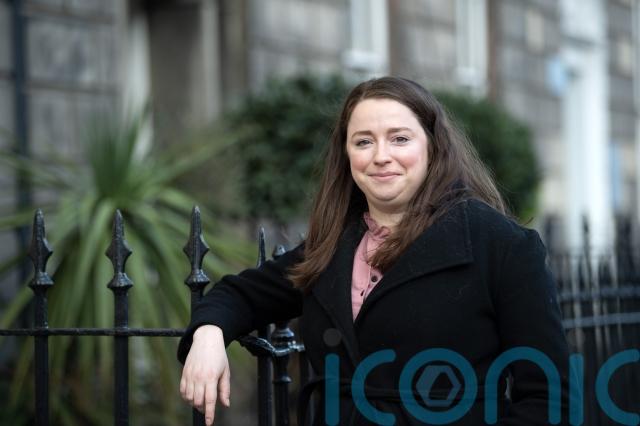
Cancer Research UK’s public affairs manager in Scotland, Dr Sorcha Hume, said: “It’s unacceptable that so many people in Scotland have faced the anxiety of delays in starting cancer treatment over the last parliamentary term.
“This election must be a turning point for cancer and we’re urging the public to join us to demand urgent action from their local candidates.
“The next government must deliver a well-resourced NHS, fit for now and the future, with the staff, equipment and technology needed to diagnose and treat cancer quickly.
“This will help people in Scotland live longer, better lives, free from the fear of cancer.”
Cancer Research UK wants to see the next Scottish Government provide more funding for the existing 10-year cancer strategy, as well as action to tackle long waiting times.
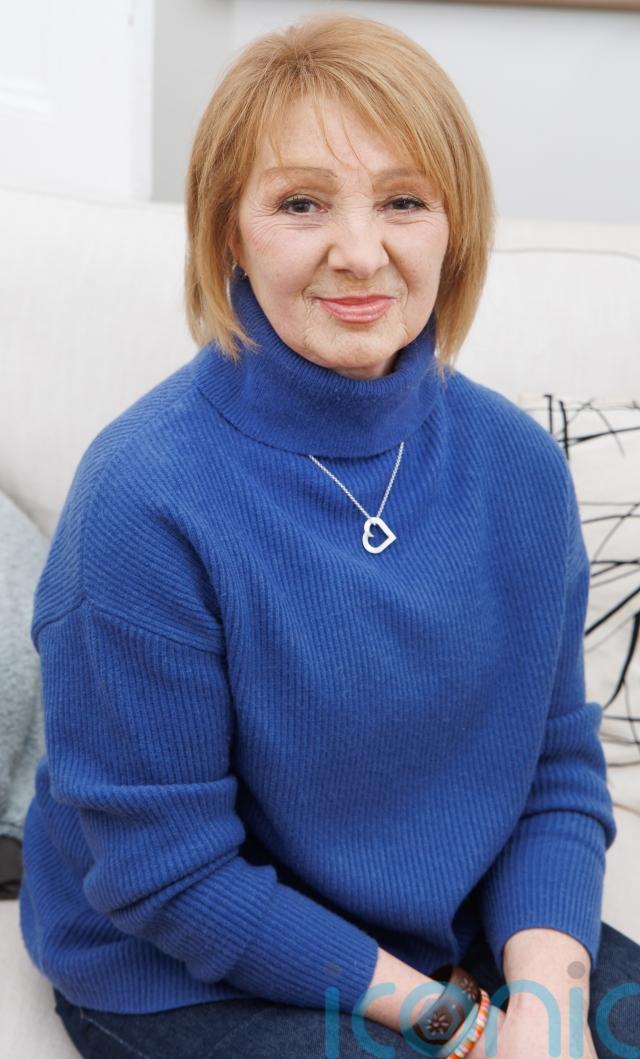
Tamsen Livingstone from Dollar, Clackmannanshire, said she was was “lucky” to be treated “relatively quickly” after going to her GP in autumn 2022.
She was found to have the rare condition anal cancer and began treatment shortly after Christmas that year.
Mrs Livingstone said: “Those days of waiting for tests then results were some of the darkest and most frightening of my life.
“I felt like I couldn’t even breathe until I knew for sure what we were dealing with and I had a plan.
“I was lucky that I was seen relatively swiftly but I can’t imagine what it must feel like for people who face a long wait before treatment.”
The art teacher, who remains in remission, had her final hospital check up earlier this month, and has now been discharged by doctors at the Beatson West of Scotland Cancer Centre in Glasgow.
Labour health spokesperson Jackie Baillie said the “worrying analysis by Cancer Research UK” had “highlighted the challenges we are facing in Scotland and the human impact those have”.
The Labour MSP said: “Anyone who has been given a cancer diagnosis will very understandably feel great anxiety about their treatment, which is only worsened by any delays they are then faced with.
“There are still gross inequalities when it comes to screening and early detection, all while lifesaving treatment standards haven’t been met in more than a decade.”
She pledged Labour, if elected, would “invest in state-of-the-art scanners that will help detect cancer earlier”, work to improve uptake of screening in deprived areas, and would “deliver a funded cancer strategy, setting out a comprehensive vision for cancer care”.
Scottish Conservative health spokesperson Sandesh Gulhane said: “The SNP cannot be trusted to reduce cancer waiting times and have failed to meet their own targets in well over a decade.”
Dr Gulhane added the “heartbreaking delay” highlighted by Cancer Research UK showed the “human cost of the SNP’s failure to get a grip on Scotland’s cancer crisis”.
The Tory MSP said: “Every missed target and delayed diagnosis is the direct result of years of SNP incompetence and complacency.”
A Scottish Government spokesperson however stated: “Cancer is a priority for the Scottish Government and NHS Scotland.
“We are treating more patients with cancer on time, within both standards, compared to pre-pandemic and 10 years ago. 95.1% of patients are being treated within 31 days of a decision to treat, with the median wait for treatment just two days – the joint lowest on record.
“Diagnostic activity is up meaning thousands more people getting their MRIs and scans more quickly with investigations for cancer prioritised within this.
“The risk of dying from cancer in Scotland is now at the lowest rate on record for both men and women, falling by 12.1% from 2015 to 2024.
“This encouraging trend reflects earlier detection, more effective treatments and our continued investment in cancer services.”
The spokesperson added: “We know there is still more to do but these latest figures show that our plan is working and our NHS is turning a corner.”

Subscribe or register today to discover more from DonegalLive.ie
Buy the e-paper of the Donegal Democrat, Donegal People's Press, Donegal Post and Inish Times here for instant access to Donegal's premier news titles.
Keep up with the latest news from Donegal with our daily newsletter featuring the most important stories of the day delivered to your inbox every evening at 5pm.

This publication supports the work of the Press Council of Ireland and Office of the Press Ombudsman, and our staff operate within the Code of Practice of the Press Council. You can obtain a copy of the Code, or contact the Council, at www.presscouncil.ie, Lo-call 1800 208 080 or email: info@presscouncil.ie.