Search


21 Apr 2026
Search
21 Apr 2026

Please allow ads as they help fund our trusted local news content.
Kindly add us to your ad blocker whitelist.
If you want further access to Ireland's best local journalism, consider contributing and/or subscribing to our free daily Newsletter .
Support our mission and join our community now.
To continue reading this article, you can subscribe for as little as €0.50 per week which will also give you access to all of our premium content and archived articles!
Alternatively, you can pay €0.50 per article, capped at €1 per day.
Thank you for supporting Ireland's best local journalism!


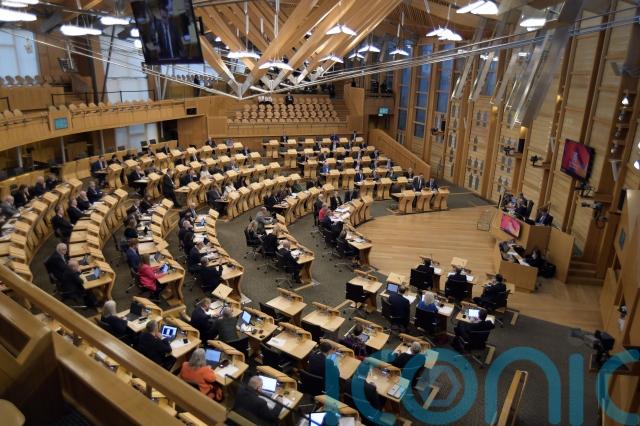
Supporters and opponents of assisted dying in Scotland have issued emotional pleas and stark warnings to MSPs as they campaigned outside Holyrood ahead of a crucial vote.
Three terminally ill women supporting the Bill stood on plinths outside Holyrood to form “living statues”, one with a sign that read: “So I can be remembered as I lived, not as I died”.
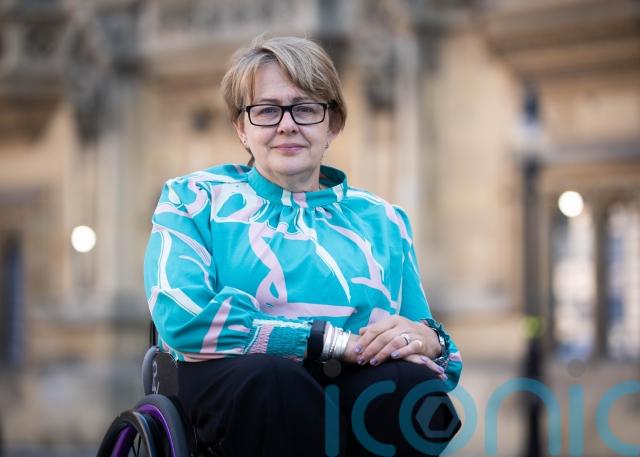
On the other side, former Paralympic athlete Baroness Tanni Grey-Thompson joined the group Care Not Killing at Holyrood as she warned of the grave consequences for disabled people.
It comes ahead of the final vote on the Assisted Dying for Terminally Ill Adults (Scotland) Bill later this month.
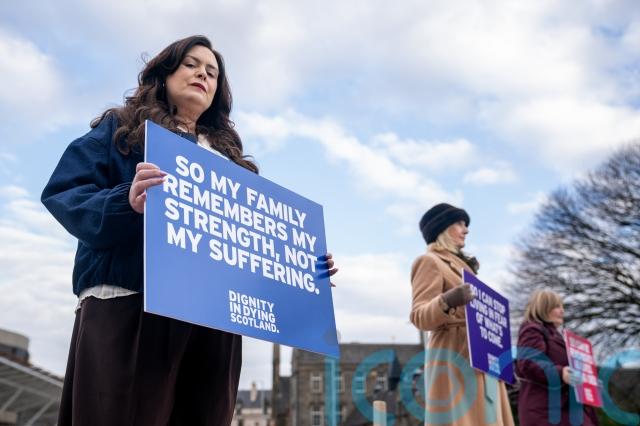
Lisa Fleming, who stood as a “living statue” outside Parliament, said people with terminal illnesses deserved dignity and choice.
Ms Fleming, who has been living with terminal breast cancer for nine years, told the Press Association: “The fear of death is something that consumes me on a daily basis.
“I know that’s my reality with this diagnosis and I suffer so much with the treatments that I’m able to go through.
“I feel really strongly about the fact that you shouldn’t have to suffer at the end of life and that’s why I’m here in support of passing the Bill, because I think it’s very important that we are given the choice and we are given a bit of dignity at the end of our lives.”
The 42-year-old said the legislation would allow Scots with a terminal illness to “focus on living instead of focusing on dying”, adding: “I spend a lot of my time focusing on how I’m going to die, I’ve watched friends die of this disease, I’ve seen the end of life process, and I don’t want to suffer.”
The current Bill, proposed by Liberal Democrat MSP Liam McArthur, is the third attempt to pass assisted dying legislation in Scotland and has come further than any before it.
A final vote is expected to take place at Holyrood on March 17.
It will allow eligible terminally ill adults to lawfully request, and be provided with, assistance by health professionals to end their own life.
It would require two independent medical professionals to confirm a person is terminally ill and has mental capacity before assistance could be provided.
The proposals have prompted stark warnings from opponents over the impact they could have on disabled people.
Lady Grey-Thompson, one of the UK’s most decorated Paralympians and a crossbench peer, said vulnerable people could be pressured to end their lives if the legislation is passed.
She told PA: “I have a lot of privilege in my life. I was a Paralympic athlete. I travelled the world.
“I now sit in a very protective place in the House of Lords, and people say to me: ‘If my life was like yours, I’d want to kill myself.’
“That just makes me stop and think there are tens of thousands of disabled people who do not have the privilege that I have and they will be put under pressure, whether it’s to save the NHS, to think of the family, to think of housing.
“Disabled people daily face discrimination and I think this would just be another layer on top of that.”
Dr Gillian Wright, a former palliative care doctor and director of the Our Duty of Care campaign group, said some healthcare professionals feared the legislation could alter the relationship between doctor and patient.
She warned elderly, frail and disabled people could feel “pressure to take their own life”, adding that a number of palliative care doctors would consider leaving the profession if the Bill passed.
Dr Gordon Macdonald, chief executive of Care Not Killing, said Mr McArthur was “misguided” and that his Bill’s safeguards were “illusionary”.
Asked for his response to those comments, and concerns that the Bill could threaten the lives of disabled people, the Liberal Democrat said: “I’d say they are wrong.”

He added: “I recognise there are those who fundamentally disagree with the concept of assisted dying, whether it’s based on faith or whatever other reason they’re entitled to that view.
“What I would argue is they’re not entitled to remove that choice from those who desperately, desperately need it.”
Mr McArthur rejected opponents’ claims of a slippery slope that could see the eligibility criteria for assisted dying in Scotland expanded if the current Bill passed.
He said there was “no evidence” of a terminal illness, mental capacity model of assisted dying expanding its eligibility criteria.
He said the current ban on assisted dying is “unsustainable”, saying: “It’s leaving too many dying Scots facing horrendous choices at the end of life.
“Doing nothing comes with its own serious consequences,” he added.

Subscribe or register today to discover more from DonegalLive.ie
Buy the e-paper of the Donegal Democrat, Donegal People's Press, Donegal Post and Inish Times here for instant access to Donegal's premier news titles.
Keep up with the latest news from Donegal with our daily newsletter featuring the most important stories of the day delivered to your inbox every evening at 5pm.

This publication supports the work of the Press Council of Ireland and Office of the Press Ombudsman, and our staff operate within the Code of Practice of the Press Council. You can obtain a copy of the Code, or contact the Council, at www.presscouncil.ie, Lo-call 1800 208 080 or email: info@presscouncil.ie.