
Gardai say the fatal incident happened near Kilworth, County Cork on Monday afternoon | FILE PHOTO
Search


25 Mar 2026

Please allow ads as they help fund our trusted local news content.
Kindly add us to your ad blocker whitelist.
If you want further access to Ireland's best local journalism, consider contributing and/or subscribing to our free daily Newsletter .
Support our mission and join our community now.
To continue reading this article, you can subscribe for as little as €0.50 per week which will also give you access to all of our premium content and archived articles!
Alternatively, you can pay €0.50 per article, capped at €1 per day.
Thank you for supporting Ireland's best local journalism!


Parole boards will now have to consider if killers have refused to reveal the whereabouts of their victims’ remains, thanks to a change in the law.
The change – dubbed Suzanne’s Law after Suzanne Pilley – comes into force across Scotland from Wednesday.
Introduced as part of the wide-ranging justice legislation introduced by the Scottish Government, it comes in the wake of campaigning from both Ms Pilley’s family and the family of fellow murder victim Arlene Fraser.
Ms Pilley was murdered by her colleague, David Gilroy, in 2010 after she ended a relationship with him.
And while he was given a life sentence for the killing, he has never revealed the location of Ms Pilley’s body.
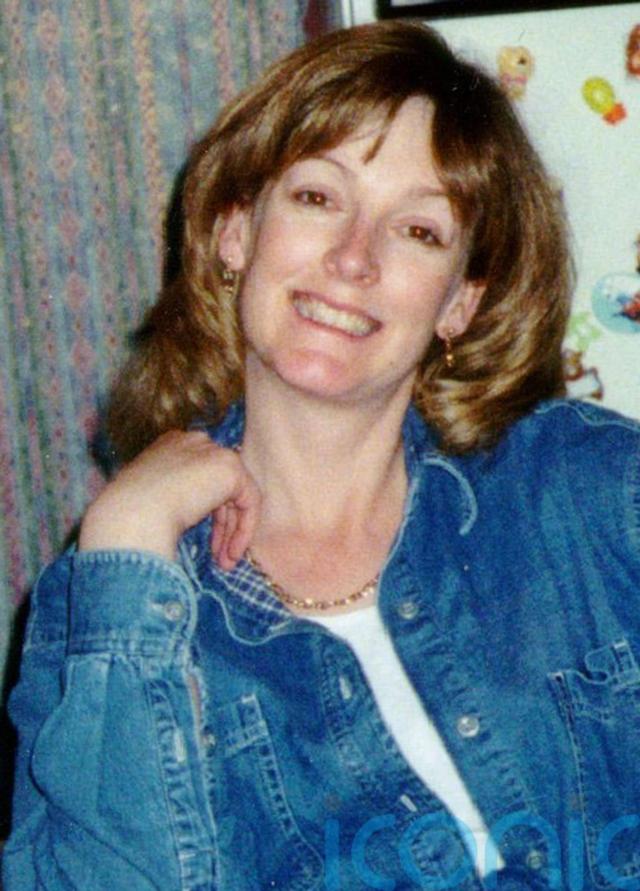
Nat Fraser, meanwhile, was convicted of his wife Arlene’s murder after she disappeared in 1998, and has also refused to say where her remains are.
The change mean that in cases where the victim’s remains have not been recovered, and where there are reasonable grounds to believe their killer has this information but has not disclosed it, this must be taken into account when they come up for possible release on parole.
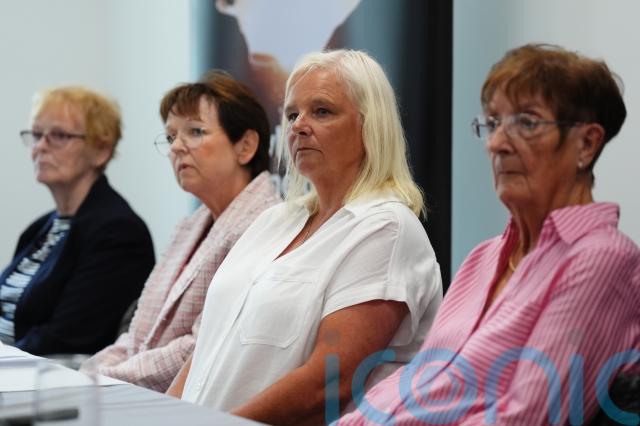
Victim Support Scotland interim chief executive Debbie Adams said they “wholeheartedly” welcomed the move, saying it came after “decades of campaigning by the families of Arlene Fraser and Suzanne Pilley”.
Ms Adams said: “This important change means that the parole board must now take into account if a convicted murderer refuses to share information about, or the location of, their victims’ remains.
“The prospect of bringing a measure of justice and closure to families has driven our commitment to this campaign.
“Victim Support Scotland will continue to campaign on behalf of victims, witnesses, and their families, and are hopeful that this change will pave the way for further reform.”
Liberal Democrats MSP Jamie Greene – who introduced the amendment that led to Suzanne’s Law – said he was pleased that it, and changes which mean the parole board will have to consider victim safety, had now come into effect.
But Mr Greene said he was “disappointed” there was no timetable for bringing in another part of the legislation, which would require the Crown Office to inform victims of any decision to drop proceedings or not to prosecute a case.
He said: “Improving the rights of victims and their families has been my priority for years, they waited too long for reform like this.
“They also need urgent clarification on when all the elements of my victims’ law will come into force, so that they get some comfort and benefit from the legal changes we pushed for.”
Justice Secretary Angela Constance said: “My deepest sympathies remain with the families of Suzanne Pilley, Arlene Fraser and Michelle Stewart.
“Changes in the landmark Victims, Witnesses, and Justice Reform Act will require that the Parole Board for Scotland must, when making a decision on release, take account of whether the prisoner has information about the disposal of the victim’s remains, but has not disclosed it.
“We will implement all parts of the Act and will do so in a phased way to ensure reforms can be introduced in a manner that does not unduly affect the operation of our justice system.”

Subscribe or register today to discover more from DonegalLive.ie
Buy the e-paper of the Donegal Democrat, Donegal People's Press, Donegal Post and Inish Times here for instant access to Donegal's premier news titles.
Keep up with the latest news from Donegal with our daily newsletter featuring the most important stories of the day delivered to your inbox every evening at 5pm.

This publication supports the work of the Press Council of Ireland and Office of the Press Ombudsman, and our staff operate within the Code of Practice of the Press Council. You can obtain a copy of the Code, or contact the Council, at www.presscouncil.ie, Lo-call 1800 208 080 or email: info@presscouncil.ie.