RIP: Body found in search for missing man (63) as heartbreaking statement is issued
Search


10 Mar 2026

Please allow ads as they help fund our trusted local news content.
Kindly add us to your ad blocker whitelist.
If you want further access to Ireland's best local journalism, consider contributing and/or subscribing to our free daily Newsletter .
Support our mission and join our community now.
To continue reading this article, you can subscribe for as little as €0.50 per week which will also give you access to all of our premium content and archived articles!
Alternatively, you can pay €0.50 per article, capped at €1 per day.
Thank you for supporting Ireland's best local journalism!


More than 10,000 Scots have been waiting more than two years for treatment on the NHS, new figures have showed, with almost 3,000 having endured a similar wait for an outpatient appointment.
More than 550,000 people are now on the NHS waiting list – with 131,620 patients waiting to be admitted for treatment at the end of March and 421,561 people on the list to be seen as an outpatient.
The lists include 10,613 who have been waiting two years or more for help in hospital, either as an inpatient or on a day treatment basis.
Public Health Scotland data also showed that there are 2,831 patients who have been waiting 104 weeks or longer for an outpatient appointment.
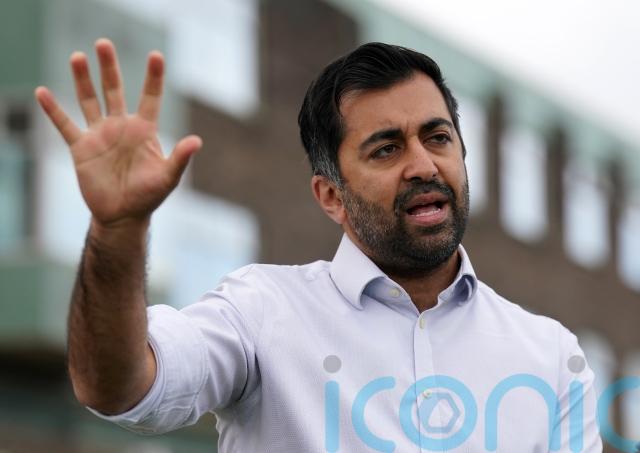
As the figures were released, Tories challenged Health Secretary Humza Yousaf to “finally show some leadership and get a grip of this soaring backlog”.
Meanwhile, Labour claimed waiting lists were “spiralling out of control” and that the NHS is “on life support”.
The waits for in-patient care come despite the Scottish Government’s legally binding treatment time guarantee, which sets out that most patients should begin treatment within 12 weeks of this being agreed.
A total of 45,998 patients were admitted to hospital for treatment in the first three months of this year, Public Health Scotland figures showed.
While this was up by 3.6% on the previous three months, the number of patients being admitted was over a third (34.8%) less than the totals being treated prior to the Covid pandemic – which averaged at 70,594 for each quarter.
Looking at those waiting for treatment as either a hospital in-patient or a day case patient, the report noted: “There was an increase in the number and percentage waiting over 52 weeks, up from 22.4% (26,698) at December 31 2021 to 23.9% (31,405) at March 31 2022.
“Of those waiting the longest, there has been an increase in the proportion of patients waiting over 104 weeks from 4.3% to 8.1% (10,613, +5,459).”
By the end of March this year, there were a total 131,620 patients waiting to be admitted to hospital for treatment – a rise of more than 10% (12,256) from the end of last year.
Public Health Scotland said the waiting list was now 70.9% higher than the average level it had been at in 2019, prior to the pandemic.
It added that the number had grown because “the number of referrals each month has often exceeded the number of patients being removed from lists, either because they were admitted for treatment or removed for other reasons”.
Waiting times data also showed that at the end of March this year there were 421,561 patients on the list to be seen as an outpatient – a rise of 6,758 from the end of December 2021.
The outpatient waiting list is now 36.8% higher than the average recorded at the end of the four quarters in 2019, Public Health Scotland added.
It includes 28,993 people who have been waiting a year or more for their appointment, as well as the 2,831 have been waiting 104 weeks or longer.
Scottish Conservative health spokesman Dr Sandesh Gulhane branded the new figures as “deeply alarming”.
He stated: “It is astonishing that over half a million patients are still waiting for treatment and that figure is only heading in the wrong direction.”
Dr Gulhane challenged the Health Secretary to act, saying: “As we emerge from the pandemic, Humza Yousaf must finally show some leadership and get a grip of this soaring backlog.
“He has to accept his flimsy NHS Recovery Plan published over nine months ago simply isn’t cutting it.”
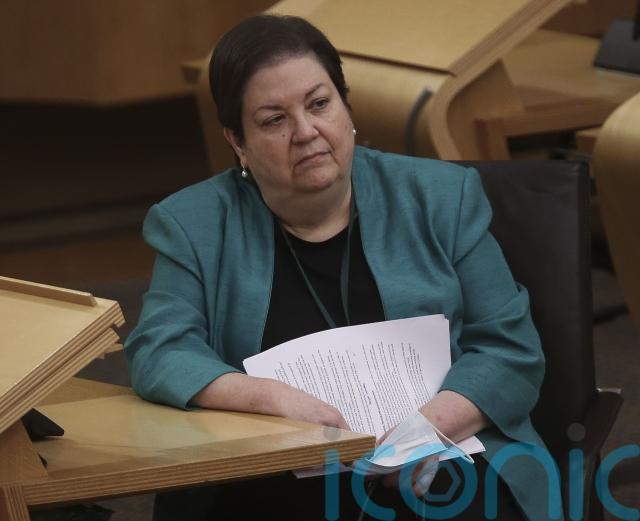
Scottish Labour Health spokeswoman Jackie Baillie was also critical, saying: “Waiting lists are spiralling out of control in Scotland while the SNP sit on their hands. ”
Ms Baillie continued: “NHS staff are working tirelessly to keep things afloat, but they are being badly failed by an absent government.
“Our NHS is on life support and it is patients and hardworking staff who are paying the price. We cannot afford to waste any more time while lives are on the line.”
A Scottish Government spokesperson said that over 2.5 million inpatients and day cases have benefited from the 12-weeks treatment target since it was introduced.
But they stated: “Pausing of non-urgent activity during the pandemic has inevitably led to a build-up of numbers waiting for treatment, and the emergence of Omicron and the BA.2 subvariant in late 2021 has undoubtedly added to existing significant pressure.
“It is regrettable that we cannot mobilise at the scope and scale we all wish to see, but we have to balance competing demands and pressures, making the best decisions we can, none of which are easy nor taken lightly. These are issues seen in health care systems across the UK.”
The spokesperson told how a framework had been published “which provides NHS Boards with key principles to support the prioritising of their elective care waiting lists during the Covid-19 pandemic”.
They continued: “We published an NHS Recovery Plan in August 2021, setting out our plans for health and social are over the next five years.
“Backed by over £1 billion of funding, the Plan will support an increase in inpatient, daycase, and outpatient activity to address the backlogs of care, which will be supported by the implementation of sustainable improvements and new models of care.
“Implementation of the plan is a top priority.”

Subscribe or register today to discover more from DonegalLive.ie
Buy the e-paper of the Donegal Democrat, Donegal People's Press, Donegal Post and Inish Times here for instant access to Donegal's premier news titles.
Keep up with the latest news from Donegal with our daily newsletter featuring the most important stories of the day delivered to your inbox every evening at 5pm.

This publication supports the work of the Press Council of Ireland and Office of the Press Ombudsman, and our staff operate within the Code of Practice of the Press Council. You can obtain a copy of the Code, or contact the Council, at www.presscouncil.ie, Lo-call 1800 208 080 or email: info@presscouncil.ie.