
Essential tips for first-time campers
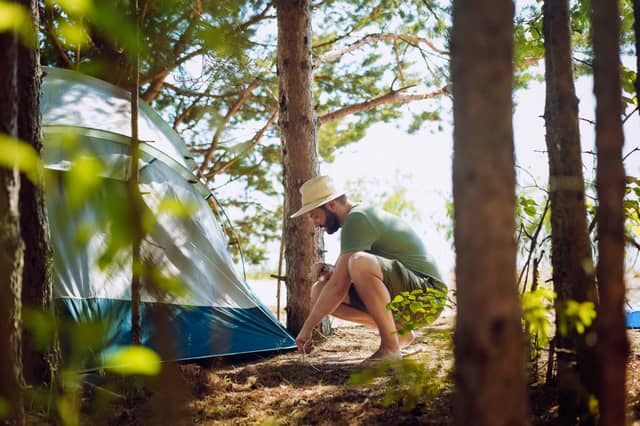

Partly driven by economics but mostly by a desire to embrace nature, more people than ever are opting to go on camping holidays.
If you’ve never slept under canvas before, don’t be daunted by the prospect. The availability of easy-to-erect tents, improved facilities and high-tech gear has put an end to any Carry On Camping capers.
Plus, with some careful preparation, the whole set-up can quite literally be child’s play. Here are some top tips:
Buy the right tent
This will be your temporary home on holiday, so choose wisely. David Scotland, camping expert and owner of Outdoor World Direct, says size, weight, fabric and features are all important factors to consider.
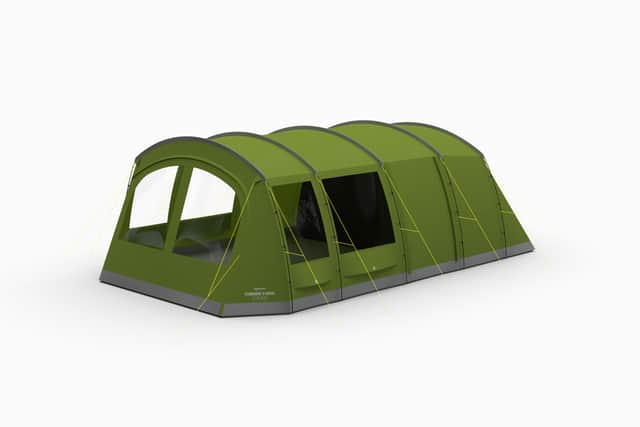
He recommends pole tents such as the family-sized Vango Stargrove II 600xl (£399, outdoorworlddirect.co.uk) as an affordable and lightweight option, although they are trickier to pitch. Air tents are easier – simply inflate the beams with a bump – but they can be expensive and heavy.
Do a practice run
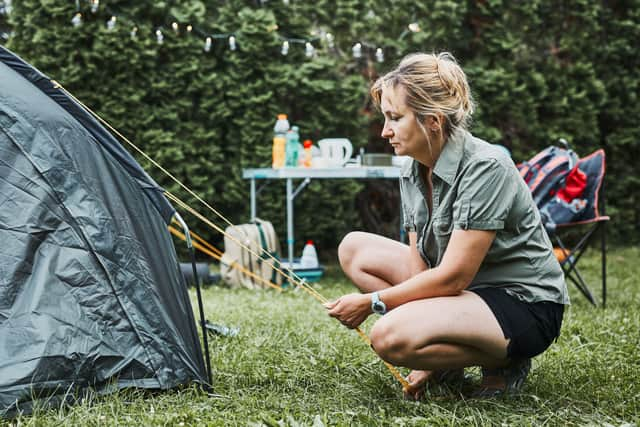
Invest in decent gear
Although you don’t need to go out and buy a lot of expensive kit for a camping trip, it is worth investing in the best gear you can afford.
“If you have young kids, consider a tent with separate pods, which will make it easier to accommodate different bedtimes,” says Catharina Björkman, Scandi lifestyle expert at wood-burning stove manufacturer Contura.
“However, if you have older teens, it may be worth letting them sleep in their own tent nearby, to ensure they don’t wake you or any younger children by going to bed later.”
And don’t forget about what you’ll be sleeping on. A compact self-inflating mat will help ensure better temperature regulation and provide more cushioning than a traditional camping mat or sleeping directly on the ground.
“But if you’re on a very tight budget or need to pack extremely lightly, a foam mat like the Easy Camp Basic Eva at just £8.99, weighing 150g, is better than nothing,” says Scotland.
A sleeping bag is also important.
“Check the forecast for your trip and pay attention to the low night-time predictions,” says Scotland. “If you’re planning to camp in spring, summer or autumn then two-three season or three-season models are ideal.
“If you’re a cold sleeper, I recommend a three-season option, unless there’s a heatwave forecast and the temperatures are predicted to hover around the mid-teens during the night.”
Choose the perfect campsite – and book ahead
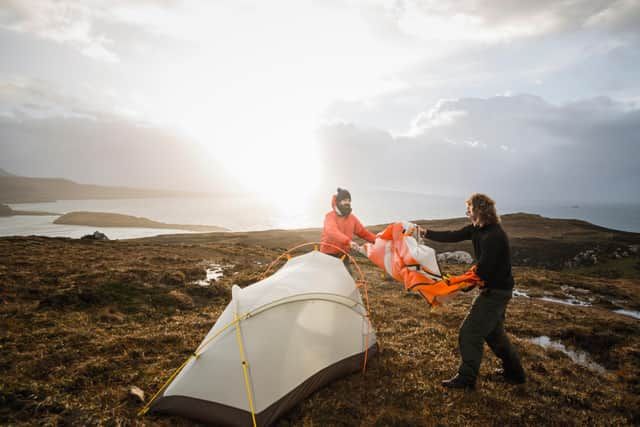
Be prepared for all weather
Temperatures swing like a pendulum in the UK, so it’s best to have the right gear for all eventualities. Also, if travelling on the continent, bear in mind summers are getting hotter than ever before.
“To beat the heat, try to find a shady pitch to block the sun, or a spot near water to provide a cooling breeze,” says Max Schmidt, head of campervan hire company CamperDays.
“On some campsites, shade and open water can be hard to come by, as many sites are located on open and exposed land, but inflatable or poled campervan and tent awnings can be used to erect a man-made sun barrier to create some much-needed shade.
“Even in the dead of summer, you always have to prepare for the unpredictably of British weather. Bringing a waterproof jacket or cagoule that can be packed away into its own compact bag will maximise luggage space, and a sturdy groundsheet will ensure the interior of your tent is dry in case of a downpour.”
Cook respectfully
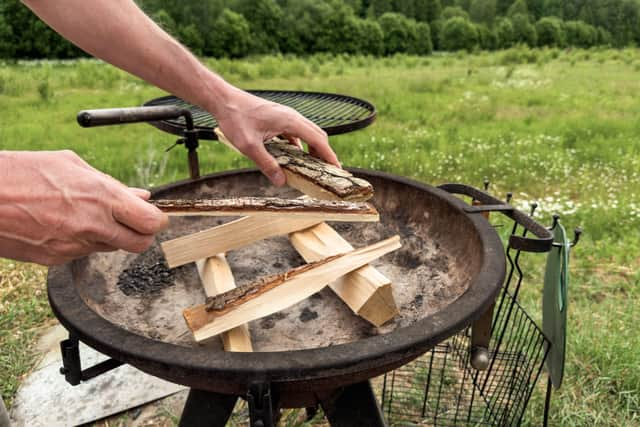
Never cook in tent due to the dangers of carbon monoxide, say The National Trust, who operate more than 20 campsites across England, Wales and Northern Ireland.
Be aware of local regulations
“Don’t get caught off guard by local rules,” advises Jonathan Frankham, general manager, UK and Europe for insurance company World Nomads. “Check out what’s cool and what’s not where you’re headed. Ignorance isn’t always bliss, especially if there are fines involved.
“Some countries allow you to camp anywhere on public or private land away from habitation, however many countries do not allow this and if you cross a border unknowingly, you could be fined and your travel insurance coverage affected.”
Even in the UK, there are important rules to follow.
“Most campsites are on or near working farms so be sure to know the Countryside Code,” recommends Olivia Boyce of Glamping Hideaways.
“Keep aware of animals and know you are in their space too and keep dogs on leads. Don’t pick something if you don’t know what it is and plan your meals. Camping is not like a hotel where you can just pop to dinner or like at home and just nip to the shops. Bring stuff you’ll need such as milk, bread and snacks, and get local food during the day as shops in the countryside close earlier than in cities.”