Search


22 Apr 2026
Search
22 Apr 2026

Please allow ads as they help fund our trusted local news content.
Kindly add us to your ad blocker whitelist.
If you want further access to Ireland's best local journalism, consider contributing and/or subscribing to our free daily Newsletter .
Support our mission and join our community now.
To continue reading this article, you can subscribe for as little as €0.50 per week which will also give you access to all of our premium content and archived articles!
Alternatively, you can pay €0.50 per article, capped at €1 per day.
Thank you for supporting Ireland's best local journalism!


Stepping into the crystal-clear sea from a small sandy beach, I dive into the water. It’s a refreshing temperature in autumn but having hiked from one side of Sharp Island to the other, it’s a welcome relief.
I have the water to myself on Kiu Tsui beach – it’s a lesser-known side of this bustling city famous for its skyscraper skyline and being one of the most densely populated places in the world.
Sharp Island is one of the 260 islands in Hong Kong, a special administrative region of China, many of which are protected as part of a UNESCO Geopark, and the walk follows the highest ridge, providing views in every direction for 2km.
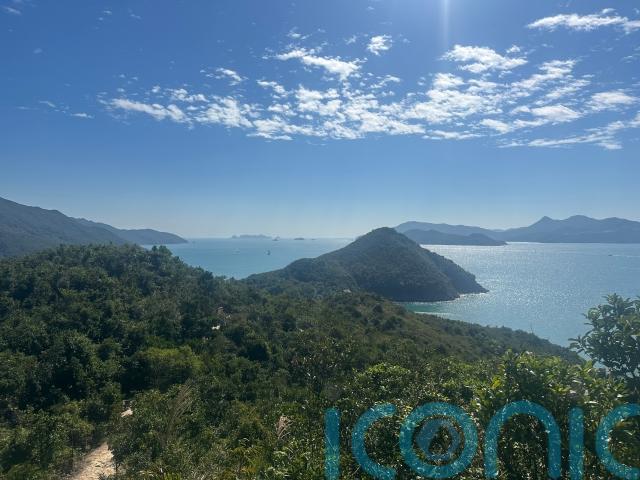
September to November is a dry season and not as hot as the summer, making it ideal for hiking (although it doesn’t drop lower than 15 degrees Celsius year-round).
“This is the ‘back garden’ of Hong Kong,” says my guide Sidney Luk, a local. “In the summer it’s very busy,” and it’s no surprise really, being only a 45-minute drive from central Hong Kong to Sai Kung, the gateway to the islands, where boats sail from and a small amount of ‘green buses or taxis’ to regulate the transport and pollution in the park.
Sharp Island is a short, scenic boat ride away but venture further and, with so many to choose from, several islands are entirely remote. “You can charter a fisherman’s boat to any of them,” says Sidney, but places to sleep overnight here are few and far between –a couple of guesthouses and one youth hostel, Sidney says off the top of his head.
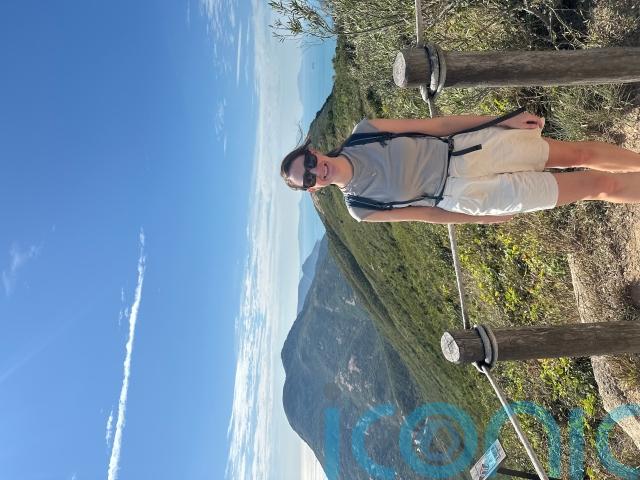
The underdevelopment of this vast area is part of its appeal for hikers who like trails that aren’t overtaken with other visitors and magnificent views of small greenery-dense islands dotted in bright turquoise water – not hotels or villas. And thanks to the humidity, hiking areas are green year-round.
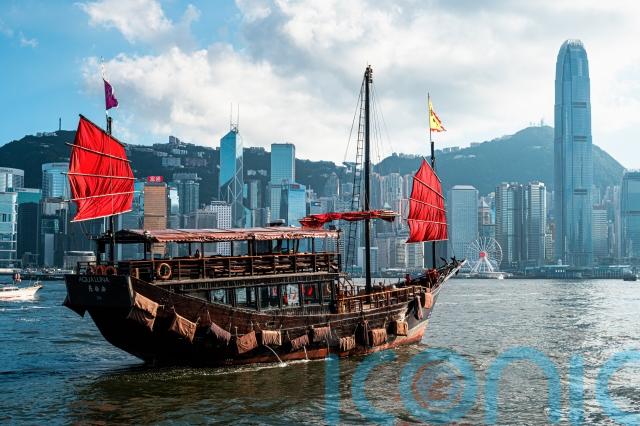
You don’t necessarily need to travel out to Hong Kong’s smaller islands for scenic hikes though. In what’s considered the city centre, the famous Victoria Harbour (best enjoyed aboard a traditional junk boat) splits the Kowloon Peninsula (attached to the mainland) and Hong Kong Island. While Lantau Island to the west (connected by a driveable bridge) and what’s known as the New Territories to the north (bordering China), make up the other two of four main regions.
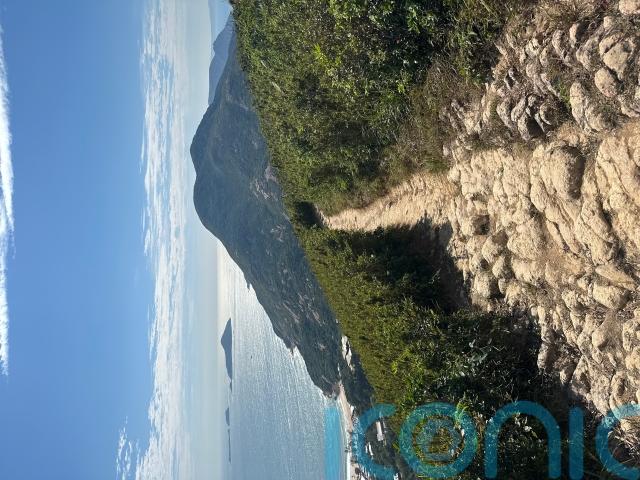
On Hong Kong Island itself, the ‘Dragon’s Back’ trail is a 8.5km ridge hike in Shek O Country Park, offering up a gentle climb though lush woodland, opening to panoramic postcard-worthy views on the ridge and summit. My group are rewarded with a visit to the Big Wave Beach, where the trail ends, one of the only places in the city surfers might find just enough swell to surf on.
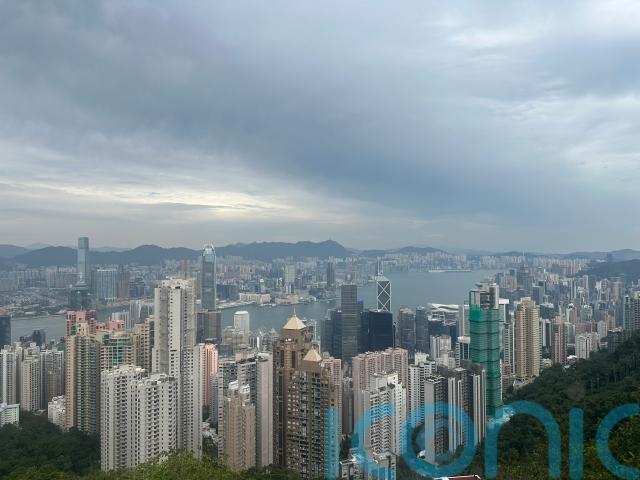
For views that really celebrate Hong Kong’s unique contrasts, we head up the historic funicular dating back to 1888 (HK$108/£10.29 return for adults) and stroll the Peak Circle Walk – an easy, 3.5km paved loop around Victoria Peak, the city’s highest point of 552 metres above sea level. It shows off the famous skyscrapers of both sides of Victoria Harbour, intermittently peaking through the subtropical forest. Alternatively, it’s HK$75 (£7.15, for adults), to access the viewing deck for that all-important shot.
“In old photos this mountain is bare,” says Sidney, the varied greenery clinging to the side having been planted by the British in the mid-19th century, the occupation beginning in 1842, leading to over 150 years of British rule until it was returned to Chinese sovereignty in 1997 (under which China pledged to run it as ‘one country, two systems’ for the next 50 years).
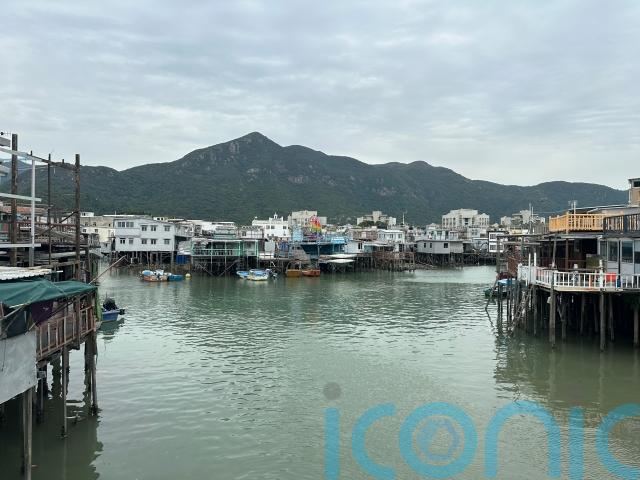
There are a few remnants of British rule aside from widely spoken English; a former police station built in 1902, now the UNESCO-recognised, colonial-style Tai O Heritage Hotel in the quiet fishing village of Tai O on Lantau Island. The oldest in Hong Kong built by the Tanka community, houses sit on stilts over tidal flats.
“It still looks how it looked 150 years ago,” says Sidney. Wandering through the village, colourful wooden boats bobbing in the water, I’m surprised it’s not bustling with tourists taking Instagram-worthy photos – but its beauty lies in its authenticity and quiet charm.
Hong Kong feels unique for its contrasts and the cityscape is entirely shaped by the realities of limited space. Classic Hong Kong-style apartments stack atop one another, often surprisingly high, alongside ultra-modern towers and ‘tong lau’, historic, low-rise Chinese-style shophouses which people live above, creating a sort of wonderfully rich, and somewhat chaotic, architectural picture.
From where I’m staying at the Dorsett Kai Tak hotel in Kowloon, we head to the trendy areas of Sheung Wan and Soho, where bars and restaurants are tightly packed in, the city’s infamous hills providing plenty of steps to bar hop between them.
The cocktail scene here is growing in a big way; Mius is a chic, minimalist spot for a dirty margarita if you think the queue is too long at Bar Leone – given the top spot for the World’s 50 Best Bars in 2025. The wait is to be expected, given the recent accolade, at this unpretentious neighbourhood-feel bar, but the cocktails are top notch. After sampling a few of Hong Kong’s finest, I can safely say the yuzu negroni here wins hands down.
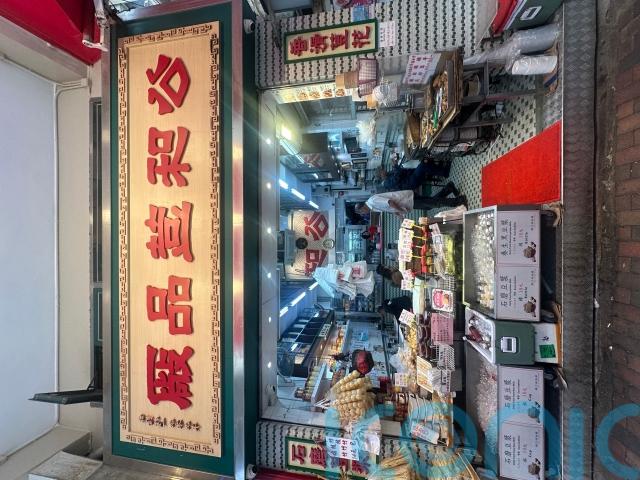
Hong Kong is of course famous for its Cantonese food, too. For about as casual (and wallet-friendly) as it gets, we stop for some mid-morning snacks at Kung Wo Beancurd Factory in the historically working class neighbourhood of Sham Shui Po. Dating back to 1909, this tiny cafe where diners perch on red plastic stools has only ever served up bean curd. Here, the beans are crushed, cooked and stirred with water to make huge bricks – and sold to passers by to cook up at home – or dished up in different varieties, washed down with a warm bean curd drink.
At the other end of the spectrum, we dine at Ho Lee Fook, an upscale Cantonese restaurant where prawn toast ‘okonomiyaki’ (with kewpie mayonnaise, bull-dog sauce, shaved cabbage, aonori and bonito flakes) will have you rethinking everything you thought you knew about prawn toast.
Head chef ArChan Chan’s aim is to honour the heritage of the dishes while being decidedly forward-thinking. The dim sum (scallop, pork and prawn siu mai with black garlic) and steamed live razor clams (with glass noodles, aged garlic, soy sauce and spring onion) also come highly recommended.
But you can’t go to any part of China and not have Peking duck, which you’ll find in many local eateries here, but for a special experience we have the duck served whole at our table at the acclaimed Sha Tin 18 (in the Hyatt Regency Hotel), and served in three distinct stages. First, the crispy skin, sliced off and sprinkled with sugar (yes, it really works), followed by the breast then the juicy leg meat, in traditional, homemade pancakes.
I fear my local Chinese takeaway version will forever struggle to live up.
How to book
Lauren Taylor was a guest of the Hong Kong Tourist Board. Cathay Pacific flies direct to Hong Kong from London, from £549 return. Dorsett Wan Chai has doubles from £113 per night with breakfast. Dorsett Kai Tak has doubles from £115 per night with breakfast. Both offer complimentary shuttle services to major transport hubs, shopping, and dining destinations.

Subscribe or register today to discover more from DonegalLive.ie
Buy the e-paper of the Donegal Democrat, Donegal People's Press, Donegal Post and Inish Times here for instant access to Donegal's premier news titles.
Keep up with the latest news from Donegal with our daily newsletter featuring the most important stories of the day delivered to your inbox every evening at 5pm.

This publication supports the work of the Press Council of Ireland and Office of the Press Ombudsman, and our staff operate within the Code of Practice of the Press Council. You can obtain a copy of the Code, or contact the Council, at www.presscouncil.ie, Lo-call 1800 208 080 or email: info@presscouncil.ie.