
RIP: Body found in search for missing man (63) as heartbreaking statement is issued
Search


09 Mar 2026

Please allow ads as they help fund our trusted local news content.
Kindly add us to your ad blocker whitelist.
If you want further access to Ireland's best local journalism, consider contributing and/or subscribing to our free daily Newsletter .
Support our mission and join our community now.
To continue reading this article, you can subscribe for as little as €0.50 per week which will also give you access to all of our premium content and archived articles!
Alternatively, you can pay €0.50 per article, capped at €1 per day.
Thank you for supporting Ireland's best local journalism!


Taking young children on holiday is hard enough. But when they’re teenagers, it’s a whole different ballgame.
Because although you don’t have to watch them constantly as you do with little ones, the challenge with teens is for them to enjoy the holiday and not drag you into their ‘I’m bored’ misery, while at the same time coaxing them off their screens.
It can be difficult – but it’s not all bad, insists Tanith Carey, author of a string of parenting books including What’s My Teenager Thinking?.
The mum-of-two has made it through the teenage years with her daughters, who are now in their early 20s, and says: “Going on holiday with teens can be one of the most rewarding stages of family holidays, but also one of the most challenging.”

She explains that during adolescence, teenagers seek independence and are more sensitive to social status and what their peers think, while their brains are wired to seek out novelty and stimulation.
“This means the things you want most on holiday, such as family harmony and togetherness, may be a little harder to achieve,” she says.
“But by being open to hearing how they’d like their holiday to look, and trying to see your break through their eyes, there are plenty of things you can do to make it a happier and more harmonious holiday.”
And family travel expert Jenna Carr, founder of the family travel deals site The Travel Mum, and author of Yes, You Can Travel With Kids (which includes a chapter on travelling with teenagers), adds: “Travelling with teens is a whole new ballgame – you’re navigating mood swings, Wi-Fi demands and whether or not their outfit is Instagram-worthy.
“But aside from the potential difficulties, it’s a fantastic chance to build lasting memories and deepen your connection.”

Here are Carey and Carr’s tips for a happy holiday without excessive amounts of screen time…
1. Ask them to help you plan
Carey explains that teenagers are developing their sense of identity and a stronger desire to be independent, so if you simply tell them what you’ll all be doing on holiday, they’re likely to feel unheard and resistant.
Instead, she advises parents to let them get involved in planning the holiday.
“Teens thrive when they feel valued and an important part of the team,” she stresses, “so show your confidence in them by offering them a bigger role in planning your holidays, whether that’s helping to draw up your itinerary or coming up with activities they’d like to do.”
And Carr suggests: “Let them pick between a couple of destinations – they’ll love feeling like their vote counts. And get them to do some research – ask them to find one activity or sight they’d like to do or see each day.”
2. Agree screen rules before you go
When the boundaries around screen use are vague, it can lead to conflict whether you’re at home or away.
To avoid this, Carey suggests holding a family meeting to agree a family ‘tech pact’ before you go on holiday. She says the pact could include no phones at meals, certain activities being phone-free, and evening check-ins.
“Framing it as a shared agreement rather than set rules means your teen is more likely to stick to it,” she explains.
Rather than banning screens completely on holiday, for example, Carey suggests parents consider agreeing to check- in times when teens can message friends in the evenings.
“When teens feel socially connected, they’re more likely to feel relaxed and present,” she says.
3. Let them pack
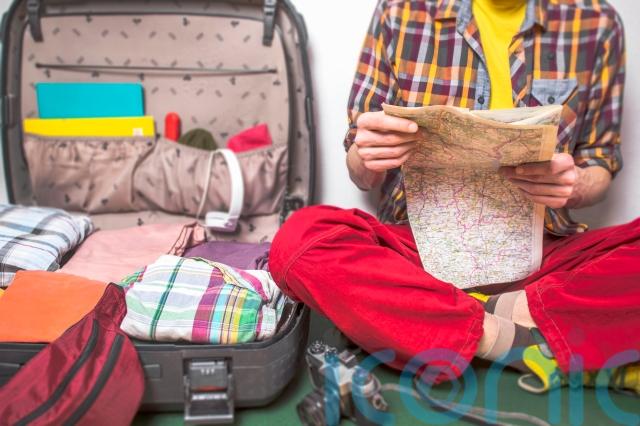
Keeping teens involved means letting them pack for themselves, and Carr suggests: “Hand over a packing checklist and leave them to it. You can also do a quick quality-control check at the end.”
4. Be realistic
Carey points out that during the teenage years the part of the brain responsible for emotional regulation still isn’t fully developed, so mums and dads need to bear this in mind – whether at home on or holiday.
“Parents often imagine holidays will deliver perfect family bonding,” she says. “But teens can quickly move from feeling excited to irritated, or from happy to moody.
“These moments will pass more quickly if you see them as part of the bigger picture rather than as signs of ingratitude or bad behaviour.”
5. Frame screen-free family time as a treat
Present screen-free periods as opportunities for spending uninterrupted time together, not as a deprivation or punishment, suggests Carey, who says if parents are worried their teen will still want to be glued to their phone on holiday, they should bear in mind they’re far more likely to accept limits when they see the grown-ups in the family doing the same.
“Remember you are your teen’s primary role model, and they’re listening to what you say even if they pretend they’re not,” she says. “Talk about how fortunate you feel to be putting your screens away more on holiday so you can all enjoy the real world together.”
6. Give them space for downtime
Avoid insisting on constant family holiday togetherness, as teenagers will need time by themselves, stresses Carey.
“Otherwise, bonding can backfire and make them feel trapped,” she explains, suggesting that if you have a busy day, plan a relaxing day the next.
“Aim for short bursts of shared activity followed by downtime by the pool or on the beach. Giving them time to chill often leads to happier teens at other times,” she says.
Carr agrees. “Build in downtime so they’re not constantly being dragged from one sight to the next,” she says. “Sometimes doing nothing is exactly what everyone needs.”
7. Make the most of novelty
Teens are often drawn to new experiences and sometimes risky ones, Carey points out, and she says it’s a good idea to tap into this on holiday by planning stimulating new experiences.
“Depending on what your teen enjoys, this could be anything from a new physical activity like kayaking or paddleboarding, to immersive museums or visiting street food markets.
“When real life is colourful and interesting, phones are no longer as magnetic,” she says.

8. Weave in extra challenges
Suggest challenges that help the whole family get immersed in what you’re seeing. Carey says this might include a photo game to find the strangest sight of the day, or discussing your favourite three sights of the day each evening at dinner.
9. Avoid taking comments like ‘I’m bored’ personally
There may well be times on holiday when your teen says they’re bored, but Carey advises parents not to get annoyed about this, as teens are starting to define themselves by showing they have different interests from their parents.
“Avoid getting angry or lashing out,” she advises. “Instead, show you’ve heard their complaint, be curious about it, but also recognise it as part of them developing their own interests.”

Subscribe or register today to discover more from DonegalLive.ie
Buy the e-paper of the Donegal Democrat, Donegal People's Press, Donegal Post and Inish Times here for instant access to Donegal's premier news titles.
Keep up with the latest news from Donegal with our daily newsletter featuring the most important stories of the day delivered to your inbox every evening at 5pm.

This publication supports the work of the Press Council of Ireland and Office of the Press Ombudsman, and our staff operate within the Code of Practice of the Press Council. You can obtain a copy of the Code, or contact the Council, at www.presscouncil.ie, Lo-call 1800 208 080 or email: info@presscouncil.ie.