Search


11 Mar 2026
Search
11 Mar 2026

Please allow ads as they help fund our trusted local news content.
Kindly add us to your ad blocker whitelist.
If you want further access to Ireland's best local journalism, consider contributing and/or subscribing to our free daily Newsletter .
Support our mission and join our community now.
To continue reading this article, you can subscribe for as little as €0.50 per week which will also give you access to all of our premium content and archived articles!
Alternatively, you can pay €0.50 per article, capped at €1 per day.
Thank you for supporting Ireland's best local journalism!


The standing charges on energy bills should be abolished or reduced, bosses in the sector have said.
The boss of British Gas owner Centrica said on Friday that the system penalises those who try to keep their energy bills under control by reducing how much gas and electricity they use.
The standing charge is a fixed amount that people pay on their energy bill and does not change based on usage.
It is used to pay for many things, including the upkeep of the electricity and gas grids.
However, its critics say it is an unfair system which gives people less control over their energy bills.
It could mean a household which only uses gas for heating their home, and not for hot water or cooking, will still be charged during the summer months when their heating is off.
Although such homes are rare, it could leave people with charges they do not understand and can do nothing about.
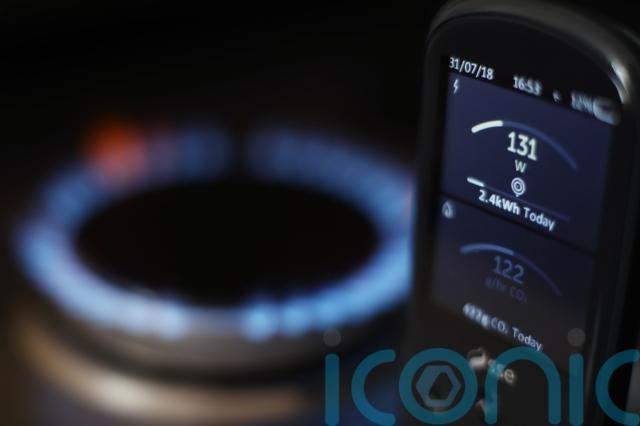
“The standing charge hits those who are careful about their energy use hardest – and these are often people from low-income households and prepayment meter customers,” Centrica chief executive Chris O’Shea told the Sun newspaper on Friday.
“I know from conversations with prepayment customers that the standing charge can see them unknowingly build up debts over the warmer summer months.”
He also reiterated his support for a so-called social tariff, which would allow poorer households to get special discounted deals on their energy bills.
Greg Jackson, chief executive of British Gas’s rival Octopus Energy, also aimed criticism at the standing charge on Friday.
“Standing charges are too high,” Mr Jackson wrote on Twitter.
“Octopus charges 4-5% below the price cap, but it’s almost impossible to go lower because of regulation.
“Costs should be moved on to unit rates with extra support for low income/disabled customers.”
This would mean that instead of a standing charge, the cost for every unit of gas or electricity that someone uses would increase. That would give people more control over their bills.
If this happened it would benefit households who use less energy, but it would be bad for those who use more.
This could mean some poorer people, such as those with large families or in poorly insulated homes who need to use more energy, would see their bills rise.

Subscribe or register today to discover more from DonegalLive.ie
Buy the e-paper of the Donegal Democrat, Donegal People's Press, Donegal Post and Inish Times here for instant access to Donegal's premier news titles.
Keep up with the latest news from Donegal with our daily newsletter featuring the most important stories of the day delivered to your inbox every evening at 5pm.

This publication supports the work of the Press Council of Ireland and Office of the Press Ombudsman, and our staff operate within the Code of Practice of the Press Council. You can obtain a copy of the Code, or contact the Council, at www.presscouncil.ie, Lo-call 1800 208 080 or email: info@presscouncil.ie.