A photo of Scarlett Faulkner surrounded by candles in a church I PICTURE: Facebook
Search


03 Apr 2026

Please allow ads as they help fund our trusted local news content.
Kindly add us to your ad blocker whitelist.
If you want further access to Ireland's best local journalism, consider contributing and/or subscribing to our free daily Newsletter .
Support our mission and join our community now.
To continue reading this article, you can subscribe for as little as €0.50 per week which will also give you access to all of our premium content and archived articles!
Alternatively, you can pay €0.50 per article, capped at €1 per day.
Thank you for supporting Ireland's best local journalism!


Britons will start to see “evidence” of asylum hotel closures in the coming months, Sir Keir Starmer has said.
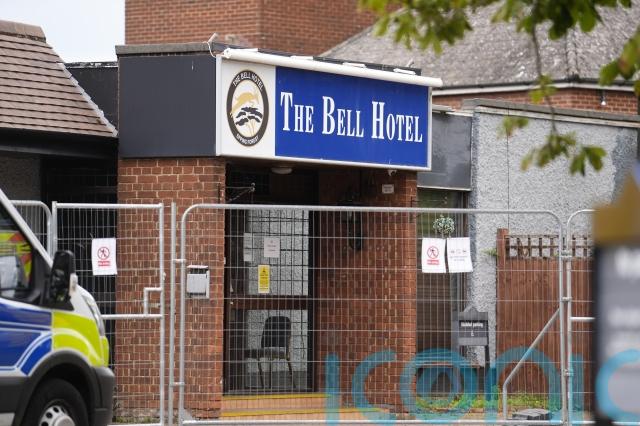
A wave of protests took place over the summer centred particularly around the Bell Hotel in Epping, Essex, after an asylum seeker who had arrived by small boat in the UK was temporarily housed and later charged, jailed and deported for sexually assaulting a woman and a 14-year-old girl.
The Prime Minister said he is “determined” to close the hotels, but could not give a date for when it may happen.
He told the BBC’s Sunday With Laura Kuenssberg programme the Government had pledged to end hotel use by the end of the Parliament, but added: “I’ve said to the system, to the relevant departments, I want to see that brought forward as soon as possible, but no longer the end of Parliament. Bring it forward.
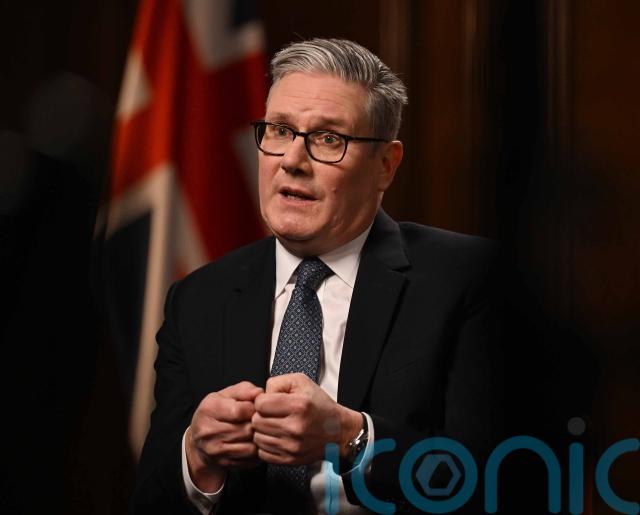
“I want us to close hotels. I think over coming months you’ll see evidence of that.”
Sir Keir said he did not want to “set a date” until “we’re absolutely sure that we can meet that date”.
He added: “What I do want to say is I’m determined we’ll close them and I have pushed the departments to say I want to see that timeline brought forward.
“I want to see this happening more quickly, and as we turn a corner into 2026 you’ll see evidence of that.”
A total of 41,472 migrants arrived in the UK in 2025 after crossing the English Channel – the second highest annual figure on record.
The Home Office confirmed on Thursday no migrants made the journey on New Year’s Eve, continuing a run of no crossings over the festive period.
It means the overall number of arrivals last year finished 9% below the all-time high of 45,774 in 2022.
The Government faced increasing pressure in 2025 to tackle the number of migrants making the hazardous journey across the Channel, having won the general election in July 2024 vowing to “smash the gangs” of people-smugglers who organise the crossings.Nearly 65,000 migrants have arrived in the country by small boat since Labour came to power.
The Border Security, Asylum and Immigration Act became law in December, which introduces new criminal offences and allows law enforcement agencies to use counter-terror-style powers to crack down on people-smuggling gangs.
In November, Home Secretary Shabana Mahmood also announced plans for a raft of reforms in what she described as “the most significant changes to our asylum system in modern times” in a bid to deter people from coming to the UK and make it easier to deport them.
Under changes inspired by the Danish system, refugee status will become temporary with regular reviews every 30 months, and refugees will be forced to wait 20 years for permanent settlement in the UK, up from five years currently.
But the plans, which are yet to be introduced under legislation, sparked a backlash from a number of Labour MPs who branded the package “shameful” and echoing rhetoric of Reform UK.
Both the Conservatives and Reform UK have pressed quitting the human rights treaty as a way to tackle illegal immigration, but the Labour Government has insisted it will not leave the ECHR and instead seek to adjust how immigration cases are interpreted in UK law.

Subscribe or register today to discover more from DonegalLive.ie
Buy the e-paper of the Donegal Democrat, Donegal People's Press, Donegal Post and Inish Times here for instant access to Donegal's premier news titles.
Keep up with the latest news from Donegal with our daily newsletter featuring the most important stories of the day delivered to your inbox every evening at 5pm.

This publication supports the work of the Press Council of Ireland and Office of the Press Ombudsman, and our staff operate within the Code of Practice of the Press Council. You can obtain a copy of the Code, or contact the Council, at www.presscouncil.ie, Lo-call 1800 208 080 or email: info@presscouncil.ie.