Search


21 Apr 2026
Search
21 Apr 2026

Please allow ads as they help fund our trusted local news content.
Kindly add us to your ad blocker whitelist.
If you want further access to Ireland's best local journalism, consider contributing and/or subscribing to our free daily Newsletter .
Support our mission and join our community now.
To continue reading this article, you can subscribe for as little as €0.50 per week which will also give you access to all of our premium content and archived articles!
Alternatively, you can pay €0.50 per article, capped at €1 per day.
Thank you for supporting Ireland's best local journalism!


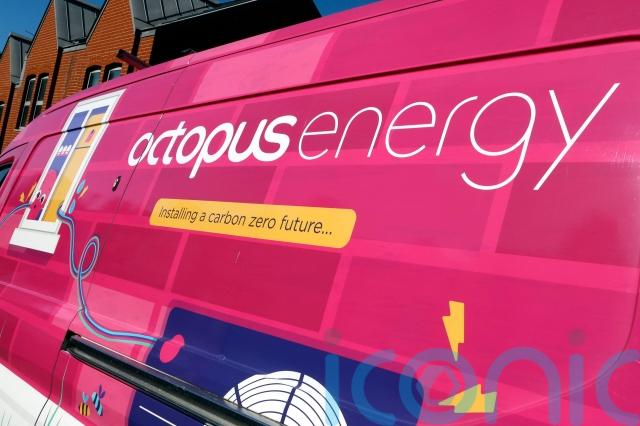
Energy markets are “in turmoil” in the face of the intensifying conflict in the Middle East, the boss of Octopus Energy has warned.
The UK’s largest household energy supplier said it has increased fixed-price tariffs and introduced exit fees for these tariffs in the face of soaring oil and gas prices.
It comes as a raft of other major suppliers have pulled fixed-price tariff deals completely.
In the week since attacks first started between Iran and US-Israeli forces, the number of fixed deals available has more than halved, according to data from Uswitch.
Remaining fixed deals, which are much more closely linked to wholesale prices than variable deals, have seen price increases.
Most UK households are on variable deals which are protected by the energy price cap.
The latest agreed energy price cap means that typical bills will actually fall in April, but experts have predicted that they are likely to rise by around 10% from July, particularly due to higher gas prices.
Greg Jackson, chief executive of Octopus Energy, told Times Radio the company has to pass on some increases in wholesale energy prices to fixed-rate customers.
He said: “Fixed tariffs are based on the fact the day you want to take out a fixed tariff, the energy company goes to the wholesale market and buys a year’s worth of energy for you, and because the wholesale market are now reflecting at least some of the cost increases from the effects of the war in the Middle East, new fixed tariffs are then higher.
“Some companies won’t offer them at all because they are not confident in being able to lock in those prices a year in advance.
“Where you are seeing fixed tariffs they are now typically a hundred pounds a year more expensive than a year before the conflict.”
Octopus has also introduced an exit fee for customers seeking to leave these deals since the conflict began, but Mr Jackson stressed that many other suppliers already had these in place.
He added: “I am keeping a very close eye on the situation.
“In energy terms, Iran has effectively closed the Strait of Hormuz, which transports 20% of the world’s oil and gas supplies, and Qatar has said it cannot honour its contracts to deliver its gas, so the energy markets are in a state of turmoil.
“The wholesale price of gas has roughly doubled since a week ago.”

Subscribe or register today to discover more from DonegalLive.ie
Buy the e-paper of the Donegal Democrat, Donegal People's Press, Donegal Post and Inish Times here for instant access to Donegal's premier news titles.
Keep up with the latest news from Donegal with our daily newsletter featuring the most important stories of the day delivered to your inbox every evening at 5pm.

This publication supports the work of the Press Council of Ireland and Office of the Press Ombudsman, and our staff operate within the Code of Practice of the Press Council. You can obtain a copy of the Code, or contact the Council, at www.presscouncil.ie, Lo-call 1800 208 080 or email: info@presscouncil.ie.