
RIP: Body found in search for missing man (63) as heartbreaking statement is issued
Search


10 Mar 2026

Please allow ads as they help fund our trusted local news content.
Kindly add us to your ad blocker whitelist.
If you want further access to Ireland's best local journalism, consider contributing and/or subscribing to our free daily Newsletter .
Support our mission and join our community now.
To continue reading this article, you can subscribe for as little as €0.50 per week which will also give you access to all of our premium content and archived articles!
Alternatively, you can pay €0.50 per article, capped at €1 per day.
Thank you for supporting Ireland's best local journalism!


February’s wet weather dampened retail sales across the UK amid warnings that the Middle East conflict is threatening to halt any longer-term recovery in consumer confidence.
Total UK retail sales increased by just 1.1% year on year, against already sluggish growth last February and well below the 12-month average of 2.3%, according to British Retail Consortium (BRC) and KPMG figures.
Food sales were flat in real terms at 2.9% – below the 12-month average growth of 3.8% – as shoppers tightened their belts.
Non-food sales fell by 0.4% overall – rising in stores by 0.2% but declining by 1.3% online as households reined in spending after Christmas and January’s rebound.
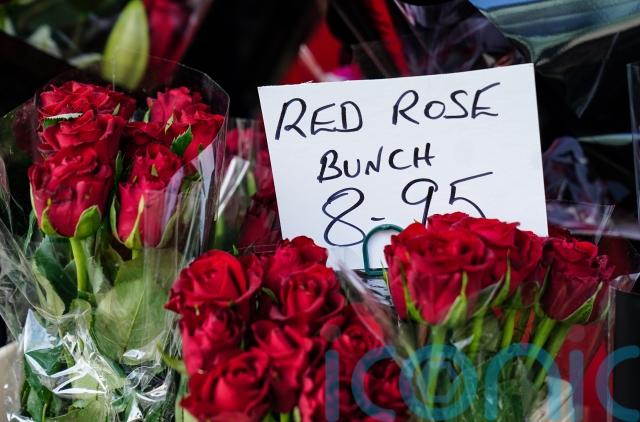
However, Valentine’s Day did provide a small bright spot, with jewellery, watches and perfume performing better as consumers still treated loved ones.
BRC chief executive Helen Dickinson said: “February’s grey, wet weather hit retail sales hard.
“While retailers look to Spring and better weather to lift spirits and revive sales, conflict in the Middle East threatens knocking any recovery off course.
“Prolonged low consumer confidence adds strain on retailers already facing mounting cost pressures, higher taxes and a growing regulatory burden.”
Sarah Bradbury, the chief executive of analysts IGD, said: “As March begins, the outlook is deteriorating. The OBR’s latest forecast downgraded near-term growth, whilst the conflict in the Middle East is strengthening concerns over fuel costs, which could impact food price inflation, if the situation continues.”

In separate figures from Barclays, card spending grew just 1% in February as inflation and travel concerns dampened confidence.
Some 82% of consumers are concerned about the impact of tensions in the Middle East on fuel costs, energy bills (81%) and inflation (78%), as well as on food prices (76%), a poll for the bank early this month found.
However, entertainment spending increased by 9.9% in February – an 11-month high – with transactions peaking when tickets to Harry Styles’s Together, Together Tour went on sale on January 30.
Jack Meaning, chief UK economist at Barclays, said: “This timely insight into consumers’ reaction to the evolving situation in the Middle East highlights perfectly the economic risks for the UK if the conflict doesn’t find a way to de-escalate in short order.
“The start of 2026 had brought positive signs of growth and improving consumer sentiment. A new, prolonged bout of uncertainty risks snuffing that out before it has had a chance to really get going.”

Subscribe or register today to discover more from DonegalLive.ie
Buy the e-paper of the Donegal Democrat, Donegal People's Press, Donegal Post and Inish Times here for instant access to Donegal's premier news titles.
Keep up with the latest news from Donegal with our daily newsletter featuring the most important stories of the day delivered to your inbox every evening at 5pm.

This publication supports the work of the Press Council of Ireland and Office of the Press Ombudsman, and our staff operate within the Code of Practice of the Press Council. You can obtain a copy of the Code, or contact the Council, at www.presscouncil.ie, Lo-call 1800 208 080 or email: info@presscouncil.ie.