
A still from a video, which has been widely shared on the social media, of the shocking incident
Search


23 Mar 2026

Please allow ads as they help fund our trusted local news content.
Kindly add us to your ad blocker whitelist.
If you want further access to Ireland's best local journalism, consider contributing and/or subscribing to our free daily Newsletter .
Support our mission and join our community now.
To continue reading this article, you can subscribe for as little as €0.50 per week which will also give you access to all of our premium content and archived articles!
Alternatively, you can pay €0.50 per article, capped at €1 per day.
Thank you for supporting Ireland's best local journalism!


HS2 could run at a slower speed than originally planned as part of a drive to keep the costs of the major rail project down.
Reducing the flagship high-speed rail scheme from its intended speed of 360km per hour could save an amount in the “low billions” and get services up and running more quickly, Transport Secretary Heidi Alexander said.
In a written statement to MPs, she said the proposed 360km per hour speed was faster than any high-speed train in service in the world, and meant safety tests would need to wait until the new railway line between London and Birmingham was finished, or that trains would need to be sent abroad for testing.
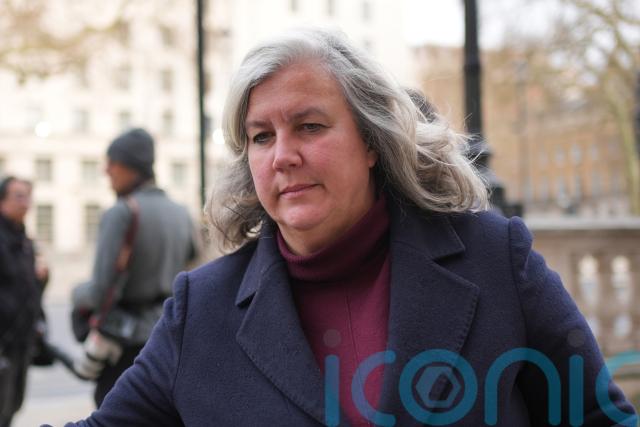
She described this as “an approach which could increase costs and delay the completion of the project”, and said she had commissioned Mark Wild, HS2’s chief executive, to report back to her before the summer about the possibility of running trains at slower speeds.
“Mark Wild’s initial and provisional estimate is that a specification at reduced speeds could save in the low billions and bring the railway into service sooner, by reducing risk in the delivery of the programme and its testing,” the Transport Secretary told MPs.
High-speed trains are those running at at least 250km per hour, generally on a dedicated railway track. China and Spain have such trains running at 350km per hour.
The current maximum speed on the UK’s conventional rail lines is 200km per hour, while Channel Tunnel services – also known as HS1 – run at 300km per hour.
Ms Alexander said: “This Government is determined to deliver HS2 as effectively and efficiently as possible. In doing so, I will look at every opportunity to claw back construction time, save taxpayers’ money and ensure the project delivers for the country.
“I share the public’s anger about the waste and mess of the past, which is why this Government is pulling HS2 out of its sclerosis and setting it on a more sensible course.
“We’re getting a grip, controlling costs, and getting on with delivering the transport infrastructure this country needs.”
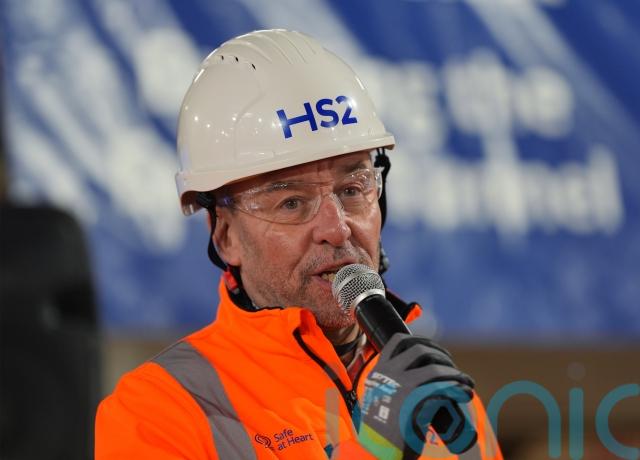
Meanwhile, Mr Wild insisted that speed had “never been the primary objective” of HS2.
The HS2 boss said: “I made a commitment to the Transport Secretary that I would regain control of HS2 and bring an end to the project’s cost increases and delays.
“With performance moving in the right direction, driven by the hard work of 30,000 people on the ground, we are rightly exploring options to create further efficiencies.
“Speed has never been the primary objective. This railway will deliver better journeys, more capacity on the network, and economic growth – all of which are vital to the country’s future prosperity.”
HS2’s primary aim when proposed was to increase rail capacity between London, Birmingham and major cities further north, by moving fast intercity services off the existing conventional railways and onto the new line.
But the original plan to run services north to Manchester and Leeds was curtailed by the Conservative government due to rising costs.
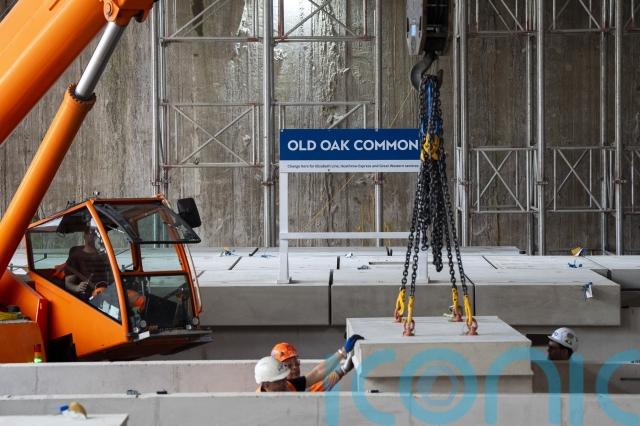
The remaining line will run between London’s Euston station, a new station in west London at Old Oak Common, and Birmingham Curzon Street.

Subscribe or register today to discover more from DonegalLive.ie
Buy the e-paper of the Donegal Democrat, Donegal People's Press, Donegal Post and Inish Times here for instant access to Donegal's premier news titles.
Keep up with the latest news from Donegal with our daily newsletter featuring the most important stories of the day delivered to your inbox every evening at 5pm.

This publication supports the work of the Press Council of Ireland and Office of the Press Ombudsman, and our staff operate within the Code of Practice of the Press Council. You can obtain a copy of the Code, or contact the Council, at www.presscouncil.ie, Lo-call 1800 208 080 or email: info@presscouncil.ie.