Search


27 Mar 2026
Search
27 Mar 2026

Please allow ads as they help fund our trusted local news content.
Kindly add us to your ad blocker whitelist.
If you want further access to Ireland's best local journalism, consider contributing and/or subscribing to our free daily Newsletter .
Support our mission and join our community now.
To continue reading this article, you can subscribe for as little as €0.50 per week which will also give you access to all of our premium content and archived articles!
Alternatively, you can pay €0.50 per article, capped at €1 per day.
Thank you for supporting Ireland's best local journalism!


Parents will be told to limit screen time for children under five to no more than an hour a day under new Government advice, as the Prime Minister vows parents will not be left to battle screens alone.
Screen time for children under two should be avoided other than for shared activities encouraging interaction, families will also be advised.
It comes as the Government is also considering Australia-style measures to limit or ban social media for under-16s.
Prime Minister Sir Keir Starmer promised the new guidance would help families to keep children safe and make sure they build healthy habits with screens.

He said: “Parenting in a digital world can feel relentless.
“Screens are everywhere, and the advice is often conflicting.
“My Government will not leave parents to face this battle alone.”
Sir Keir added: “There will be some who will oppose us doing this.
“But whether it’s navigating technology, tackling the cost of living or balancing the demands of family life, I will always stand on the side of parents doing their best for their children.”
The guidance to parents on screen time for two to five-year-olds will advise them to “try to keep it to one hour a day. Less is possible”.
For the screen time that two to five-year-olds do have, families will be advised to avoid fast-paced social media-style videos and toys or tools that use artificial intelligence (AI).
Bedtimes and mealtimes should be screen-free, with families advised to instead try background music, table games, bedtime stories, and colouring.
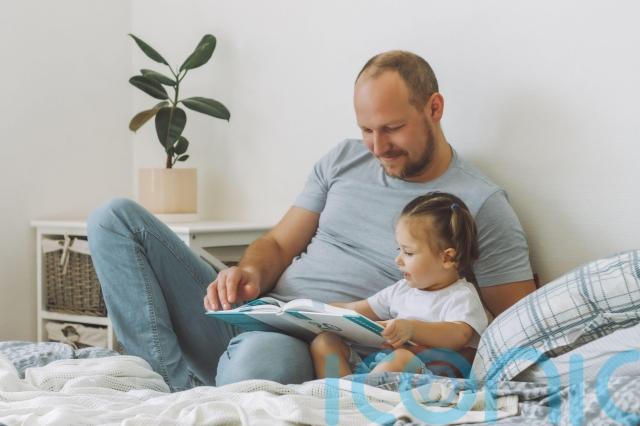
Watching screens with children and talking and asking questions about the content is also better for a child’s cognitive development than letting them use them alone, the guidance will say.
Shared screen activities could include video calling friends and family or looking through photos together, parents will be advised.
Around 98% of children are watching screens on a daily basis by the age of two, the Government has previously said, and those with the highest screen time see an impact on their language.
The guidance was developed by a panel led by children’s commissioner Dame Rachel de Souza and children’s health expert Professor Russell Viner.
Long periods of time spent on screens alone impacts activities key for good development such as sleep, physical activity, creative play and interaction with parents, the panel found in its review of the evidence.
However, limits on screen time should not be applied in the same way for children with special educational needs and disabilities (Send) using screen-based assistive technologies, the panel said.
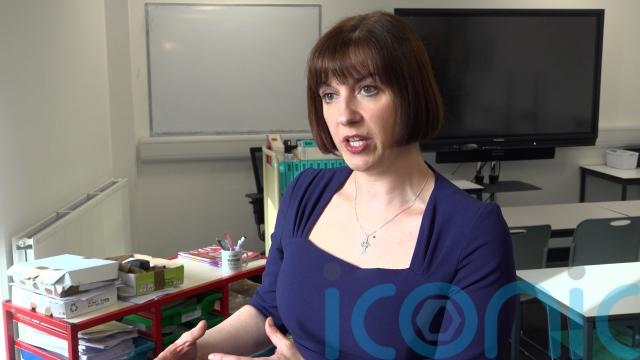
Education Secretary Bridget Phillipson said: “I know how hard it is to navigate parenting in a world full of screens.
“They’re unavoidable, but it often feels impossible to tell whether you’re getting the balance right.
“That’s why we’re giving parents the clear, trusted support they’ve asked for – so families can make informed choices, and children can have the childhood they deserve.”
It is hoped the advice on screen time will help children and families have healthier relationships with screens, and use them in a way that does not risk impacting their readiness to start school.
Infants with the greatest amount of screen time are significantly less likely to regularly be read to or go on trips outside, the Education Policy Institute has found.
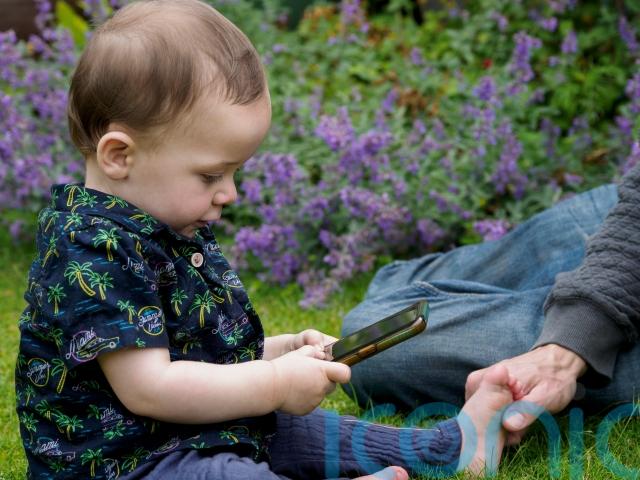
Prof Viner, a professor in adolescent health at University College London, said: “Too much solo screen time can crowd out the things that make the biggest difference – sleep, play, physical activity and talking with parents and carers.”
The panel also recommended in its report that parents should think about their own screen use in the presence of their children, and consider screen-free periods of the day for the whole family.
Dr Mike McKean, vice-president for policy at the Royal College of Paediatrics and Child Health, welcomed the guidance to help parents protect “short, but developmentally crucial early years”.
“The growing emphasis on online and digital spaces has made childhood an even more challenging period for parents to navigate,” he said.
“For many years now parents and professionals have been forced to play a dangerous game of catch up, desperately trying to find the right balance for their children.”
The Government has set a target for 75% of children to be “school ready” by 2028 – meaning they have reached key development milestones in areas such as their language and motor skills by the end of reception.
However, early years charity Kindred Squared has warned that more and more children are arriving at school without the basic skills needed to engage with learning.
More than half of the teachers surveyed by Kindred said excessive screen time was a key factor in children not being ready for school, and estimated more than one in four children were doing things such as attempting to tap or swipe books as if they were a phone or a tablet.

Subscribe or register today to discover more from DonegalLive.ie
Buy the e-paper of the Donegal Democrat, Donegal People's Press, Donegal Post and Inish Times here for instant access to Donegal's premier news titles.
Keep up with the latest news from Donegal with our daily newsletter featuring the most important stories of the day delivered to your inbox every evening at 5pm.

This publication supports the work of the Press Council of Ireland and Office of the Press Ombudsman, and our staff operate within the Code of Practice of the Press Council. You can obtain a copy of the Code, or contact the Council, at www.presscouncil.ie, Lo-call 1800 208 080 or email: info@presscouncil.ie.