Search


27 Mar 2026
Search
27 Mar 2026

Please allow ads as they help fund our trusted local news content.
Kindly add us to your ad blocker whitelist.
If you want further access to Ireland's best local journalism, consider contributing and/or subscribing to our free daily Newsletter .
Support our mission and join our community now.
To continue reading this article, you can subscribe for as little as €0.50 per week which will also give you access to all of our premium content and archived articles!
Alternatively, you can pay €0.50 per article, capped at €1 per day.
Thank you for supporting Ireland's best local journalism!


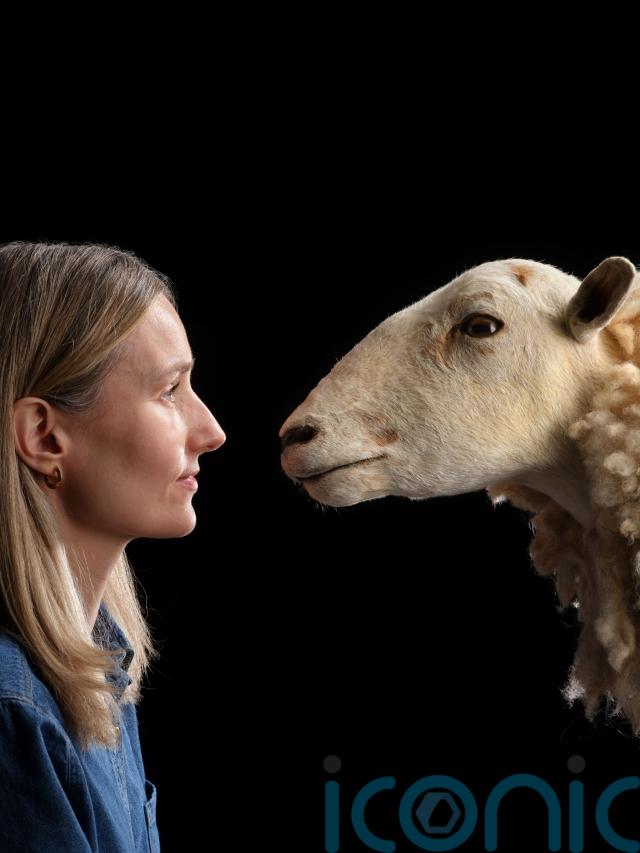
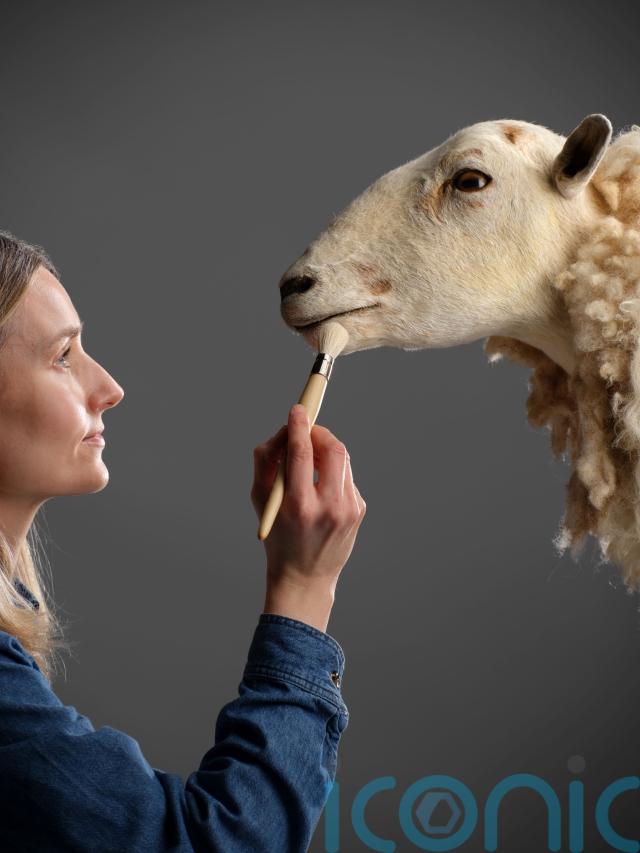
A cloned sheep that helped pave the way for the creation of Dolly the sheep has gone on show at a rural life museum.
Morag and her identical twin Megan were cloned from the same embryo and were the first mammals to be successfully cloned from differentiated cells.
Their births in June 1995 at the Roslin Institute in Edinburgh were hailed as a technical breakthrough and made the birth of Dolly the sheep the following year possible.
Experts said the births of Morag and Megan demonstrated that viable sheep could be produced by nuclear transfer from cells which have been cultured in vitro.
Dolly, born in July 1996, was the first mammal to be cloned from an adult cell as part of the Roslin Institute’s research into producing genetically-modified farm animals.
Morag has now gone on permanent display at the National Museum of Rural Life in East Kilbride, South Lanarkshire, as part of a new section exploring the role of science in agriculture.
Morag died in 2000 and was previously on display at the National Museum of Scotland in Edinburgh until about 2005.
She was then cared for at the National Museums Collection Centre in the Granton area of the city.
The National Museum of Rural Life is a partnership between National Museums Scotland (NMS) and the National Trust for Scotland (NTS).
Professor Andrew Kitchener, principal curator of vertebrate biology at NMS, said: “The birth of Dolly the sheep is remembered as one of the great scientific breakthroughs of the late 20th century, but that historic moment wouldn’t have been possible without the arrival of Morag and her twin.
“Without them, there would not have been Dolly.
“It’s very fitting that Morag forms the centrepiece of this fascinating new display at the National Museum of Rural Life, exploring the role that cutting-edge science can play in farming.”
The new display at the museum explores the future of farming and reveals how technology such as robotics and artificial intelligence could be used to solve problems which have existed for centuries.
Three main themes – large-scale agriculture, small-scale food production and animal welfare – are explored in the display, which also tells stories of crofting in Scotland.
Dolly the sheep died in 2003 and was donated to NMS by the Roslin Institute.
Since then she has been on display at the National Museum of Scotland in Edinburgh.
At the National Museum of Rural Life, NTS care for the historic buildings and gardens at Wester Kittochside Farm, while NMS manage the museum, grounds and working farm.

Subscribe or register today to discover more from DonegalLive.ie
Buy the e-paper of the Donegal Democrat, Donegal People's Press, Donegal Post and Inish Times here for instant access to Donegal's premier news titles.
Keep up with the latest news from Donegal with our daily newsletter featuring the most important stories of the day delivered to your inbox every evening at 5pm.

This publication supports the work of the Press Council of Ireland and Office of the Press Ombudsman, and our staff operate within the Code of Practice of the Press Council. You can obtain a copy of the Code, or contact the Council, at www.presscouncil.ie, Lo-call 1800 208 080 or email: info@presscouncil.ie.