Rest in Peace James McEvoy
Search


31 Mar 2026

Please allow ads as they help fund our trusted local news content.
Kindly add us to your ad blocker whitelist.
If you want further access to Ireland's best local journalism, consider contributing and/or subscribing to our free daily Newsletter .
Support our mission and join our community now.
To continue reading this article, you can subscribe for as little as €0.50 per week which will also give you access to all of our premium content and archived articles!
Alternatively, you can pay €0.50 per article, capped at €1 per day.
Thank you for supporting Ireland's best local journalism!


Sir Keir Starmer will chair a meeting of the Cobra crisis committee as the cost to households from the war in Iran was laid bare.
Average energy bills are forecast to rise by almost £300 from July while motorists are already counting the cost of the war, with drivers paying £544 million extra for fuel since the US-Israeli bombing campaign began.
The Prime Minister said the Cobra meeting will look at “making sure that everything that we need to have in place” to respond to the crisis is set up.
Iran’s selective blockade of the vital oil and gas shipping route the Strait of Hormuz and its attacks on the Gulf states has pushed up global energy prices.
In the latest sign of the risk to shipping in the region a Kuwaiti oil tanker was attacked off the coast of Dubai.
Chancellor Rachel Reeves has already indicated that targeted help for poorer households could be available if bills continue to rise, with particular worries in Government about the impact in the autumn when energy use increases as temperatures drop.
The price most households pay for energy under regulator Ofgem’s cap will fall by £117-a-year to £1,641 from Wednesday, driven by the Government’s promise to cut bills by an average of £150 by removing green subsidies.
But respected energy analyst Cornwall Insight said its prediction for the watchdog’s price cap from July to September now stands at £1,929 for a typical dual fuel household – an increase of £288 or 18% on April’s cap.
Energy consumers minister Martin McCluskey said: “Tackling the affordability crisis is our number one priority and I know many families will be thinking about how events in the Middle East might impact the cost of living at home.
“We will continue to fight people’s corner through this crisis and, as the Energy Secretary (Ed Miliband) has said, if it’s necessary to intervene, we will.”
Ahead of April’s price cap fall, we have released new forecasts for the July 2026 cap. Forecasts for July now sit at £1,929 per year for a typical dual‑fuel household. While predictions have dipped slightly in the past few days – £44 since 19 March – the forecast still represents… pic.twitter.com/Q2hJm3zDz8
— Cornwall Insight (@CornwallInsight) March 31, 2026
The costs for homes reliant on heating oil, which are not covered by the Ofgem cap, have already soared.
Department for Energy Security and Net Zero figures showed the average price per litre of standard grade burning oil stood at 104.1p in March, nearly double the average in February (53.5p) and the highest monthly figure since official data began in January 1989.
The Government has announced a £53 million package of support for heating oil customers.
Motoring research charity the RAC Foundation estimated that rises in pump prices since the conflict in the Middle East began on February 28 have led to motorists paying an additional £409 million for diesel and £135 million for petrol.
Sir Keir has previously promised to keep a planned rise in fuel duty from September “under review in light of what’s happening in Iran” and the Government has stepped up efforts to help drivers find the cheapest fuel in their area through a price comparison app.
Tory leader Kemi Badenoch criticised the Government for being “caught off guard” by the energy shock.
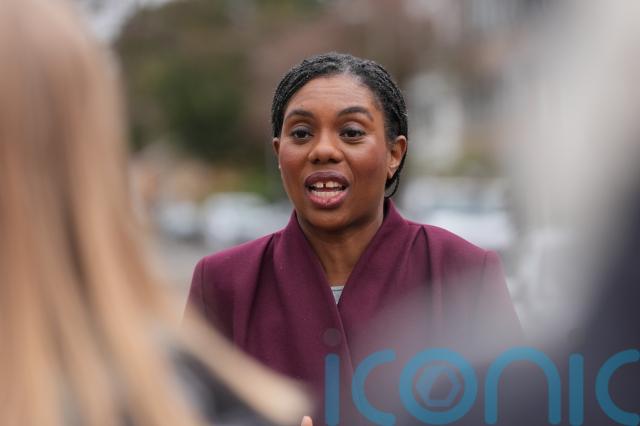
Speaking to the Press Association on a visit to Hertfordshire, she said the Tories would cut VAT off energy bills for three years and scrap “unnecessary” green levies.
“It’ll be a lot better for them to get the money by drilling oil and gas in the North Sea and using those revenues to cover the cost,” she said.
“And of course, the Government needs to stop the planned rise in fuel duty in September. With everything that’s going on, the last thing the Government needs is to increase the cost of living for hard working families.”
UKMTO WARNING 029-26 UPDATE 001
Click here to view the full Warning⤵️https://t.co/fGXga85UN6#MaritimeSecurity #MarSec pic.twitter.com/eJCVkwQWur
— UKMTO Operations Centre (@UK_MTO) March 31, 2026
Military action continued in the Middle East, with US and Israeli strikes against targets in Iran and Iranian drone and missile strikes against Gulf states and Israel.
The Royal Navy’s UK Maritime Trade Operations Centre, which provides security information to shipping, reported an attack on a tanker which caused a fire 31 nautical miles off Dubai in the United Arab Emirates.
Local media reports said the fully-laden Kuwaiti vessel was hit by a drone.
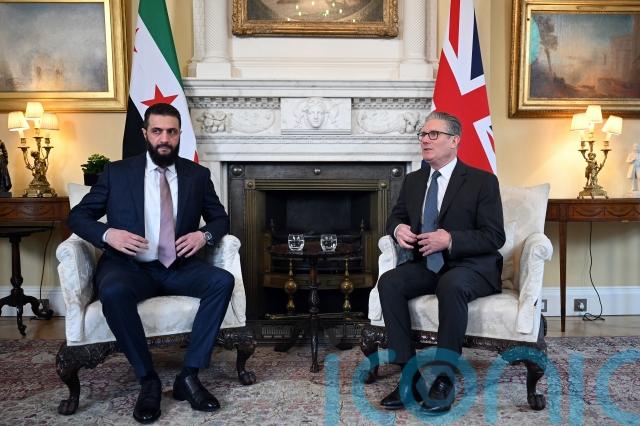
The UK continued diplomatic efforts to support allies in the region and call for de-escalation, even as US President Donald Trump threatened to obliterate Iran’s energy infrastructure and oil wells unless shipping routes are reopened.
The Prime Minister welcomed Syrian President Ahmed al-Sharaa to Downing Street while Defence Secretary John Healey is in the Middle East to speak to the UK’s allies in the Gulf.

Mr Trump has insisted that “great progress” has been made in talks with Iran, although there has been little public detail about any negotiation process.
But he has warned that unless the Strait of Hormuz is opened to shipping the US will respond by “completely obliterating” Iran’s power plants and oil wells.
He also raised the prospect of attacking desalination plants which provide drinking water to Iranian citizens.

Subscribe or register today to discover more from DonegalLive.ie
Buy the e-paper of the Donegal Democrat, Donegal People's Press, Donegal Post and Inish Times here for instant access to Donegal's premier news titles.
Keep up with the latest news from Donegal with our daily newsletter featuring the most important stories of the day delivered to your inbox every evening at 5pm.

This publication supports the work of the Press Council of Ireland and Office of the Press Ombudsman, and our staff operate within the Code of Practice of the Press Council. You can obtain a copy of the Code, or contact the Council, at www.presscouncil.ie, Lo-call 1800 208 080 or email: info@presscouncil.ie.