A photo of Scarlett Faulkner surrounded by candles in a church I PICTURE: Facebook
Search


03 Apr 2026

Please allow ads as they help fund our trusted local news content.
Kindly add us to your ad blocker whitelist.
If you want further access to Ireland's best local journalism, consider contributing and/or subscribing to our free daily Newsletter .
Support our mission and join our community now.
To continue reading this article, you can subscribe for as little as €0.50 per week which will also give you access to all of our premium content and archived articles!
Alternatively, you can pay €0.50 per article, capped at €1 per day.
Thank you for supporting Ireland's best local journalism!


Ministers have pledged £90 million in funding to help safeguard hundreds of England’s most threatened native wildlife from extinction.
The money, which the Environment Department (Defra) says is the largest-ever investment in species protection, will go towards efforts to support or reintroduce animals such as birds, beavers, beetles, snails, spiders and seahorses across England.
Hundreds of local projects will receive a share of £60 million through Natural England’s species recovery programme over the next three years, Defra said.
And a further £30 million will be dedicated to species recovery across England’s national forest estate.
Environment Secretary Emma Reynolds said: “This long-term commitment is a decisive step towards reversing the decline of nature and protecting it for generations to come.”
The UK is one of the most nature-depleted countries in the world, with researchers finding that wildlife populations have fallen by a third since 1970, and one in six species are at risk of extinction.
Last year, green groups assessed that the UK is significantly off-track to meet a legally-binding target to protect 30% of land and sea for nature by 2030.
Defra said the funding uplift will help to support the Government’s mission to reverse nature declines and meet legal targets set out in the environmental improvement plan, which also include halting the decline in species abundance by 2030 and reducing species extinction risk by 2042 against 2022 levels.
Under the species recovery programme, the £60 million in funding will support conservation projects including habitat restoration as well as captive breeding and species reintroductions.
The hope is that it will help to tackle habitat loss across England, restore nature-rich landscapes, and safeguard fragile ecosystems such as ancient woodlands and chalk streams.
Natural England will confirm which projects will receive funding for 2026 to 2029 in May but early indication suggests the money will support actions focused on a wide range of species.
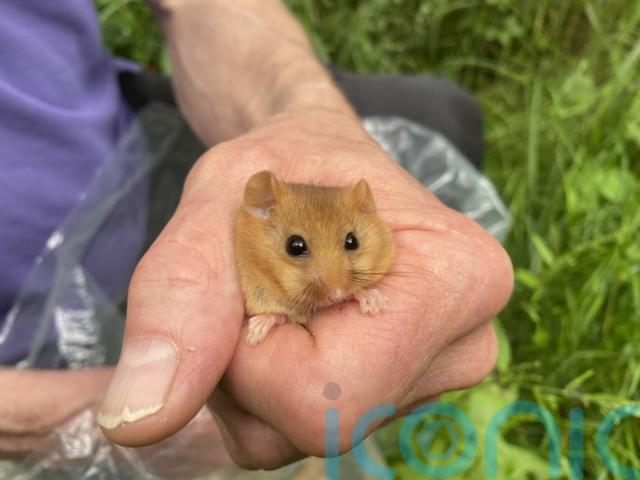
This round’s funding is more than double the previous, which saw £32.2 million allocated to the programme between 2023 and 2026 to support more than 600 species, including water voles, hazel dormice and oystercatchers.
Tony Juniper, the organisation’s chair, said: “If there is one positive thing about species decline, it is the fact that it is usually reversible.
Natural England’s species recovery work has brought the rarest species back from the brink for decades, he said, citing red kites, lady’s slipper orchids, pool frogs and large blue butterflies.
“Through the proven winning mix of good science and effective partnerships, we know that many species can be restored to favourable status.”
He said the new funding “will enable us to support even more of the many initiatives under way across England to halt and reverse the decline of our wonderful wildlife”.
Natural England says its species recovery programme has helped protect more than 1,000 species and prevented the national extinction of at least 35.
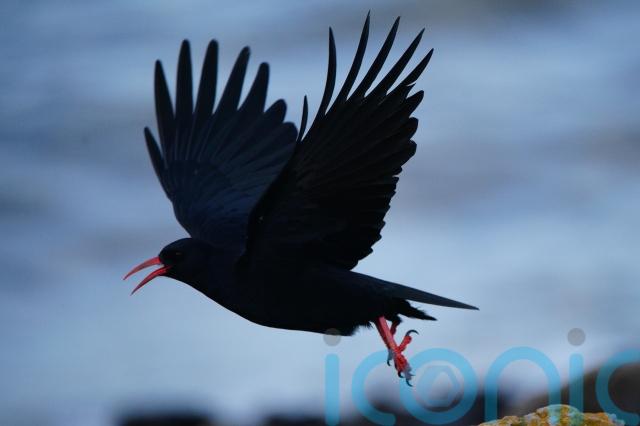
Funding helped the first red-billed chough to hatch in the wild in Kent for more than 200 years, black grouse were successfully reintroduced to the North Yorkshire Moors, and the large marsh grasshopper returned to the Norfolk Broads after an 85-year absence.
The announcement comes as Defra unveils a new campaign called “Wild Again: Restoring England’s Wildlife” as part of its efforts to protect and recover nature.

Subscribe or register today to discover more from DonegalLive.ie
Buy the e-paper of the Donegal Democrat, Donegal People's Press, Donegal Post and Inish Times here for instant access to Donegal's premier news titles.
Keep up with the latest news from Donegal with our daily newsletter featuring the most important stories of the day delivered to your inbox every evening at 5pm.

This publication supports the work of the Press Council of Ireland and Office of the Press Ombudsman, and our staff operate within the Code of Practice of the Press Council. You can obtain a copy of the Code, or contact the Council, at www.presscouncil.ie, Lo-call 1800 208 080 or email: info@presscouncil.ie.