Search


13 Jan 2026
Search
13 Jan 2026

Please allow ads as they help fund our trusted local news content.
Kindly add us to your ad blocker whitelist.
If you want further access to Ireland's best local journalism, consider contributing and/or subscribing to our free daily Newsletter .
Support our mission and join our community now.
To continue reading this article, you can subscribe for as little as €0.50 per week which will also give you access to all of our premium content and archived articles!
Alternatively, you can pay €0.50 per article, capped at €1 per day.
Thank you for supporting Ireland's best local journalism!


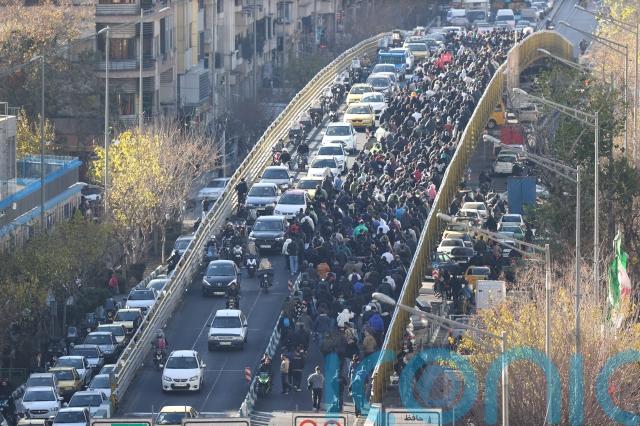
The death toll from nationwide protests in Iran has spiked to at least 2,000, activists said.
It comes as Iranians made phone calls abroad for the first time in days on Tuesday after authorities severed communications during a crackdown.
The US-based Human Rights Activists News Agency, which has been accurate in previous unrest in recent years, gave the latest toll.
It relies on supporters in Iran cross-checking information.
The group said 1,847 of the dead over more than two weeks of protests were protesters and 135 were government-affiliated.
Another nine children were killed, and nine civilians it said were not taking part in protests also were killed.
With the internet down in Iran, gauging the demonstrations from abroad has grown more difficult.
The Associated Press has been unable to independently assess the toll.
Iran’s government has not offered overall casualty figures.
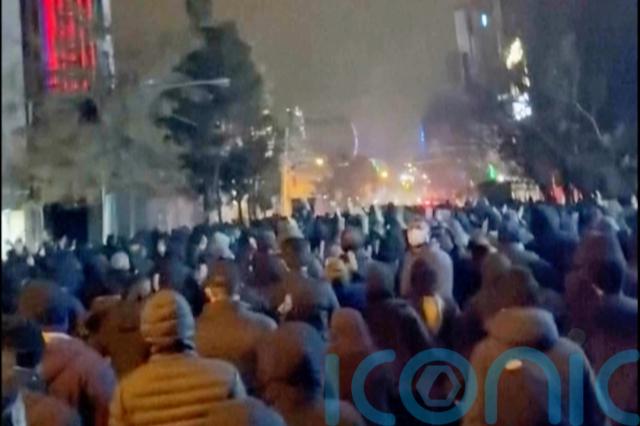
Iranians’ calls gave a glimpse of life after being cut off from the outside world on Thursday night.
Witnesses described a heavy security presence in central Tehran, burned-out government buildings and smashed ATMs.
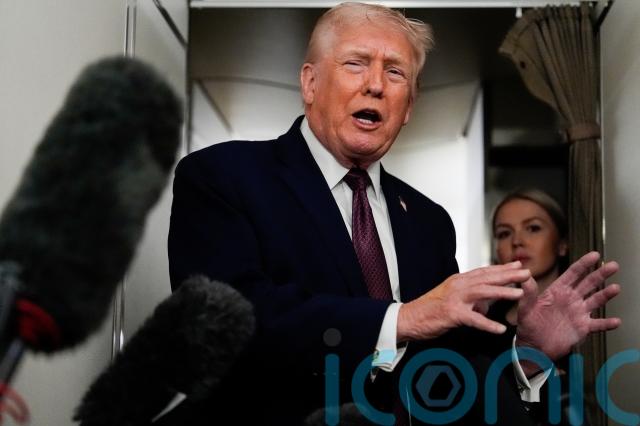
Meanwhile, people remain concerned about what comes next, including the possibility of strikes after US President Donald Trump said he could possibly use the military to defend peaceful protesters.
Mr Trump also has said Iran wants to negotiate with Washington.
“My customers talk about Trump’s reaction while wondering if he plans a military strike against the Islamic Republic,” said shopkeeper Mahmoud, who gave only his first name out of concerns for his safety.
“I don’t expect Trump or any other foreign country cares about the interests of Iranians.”
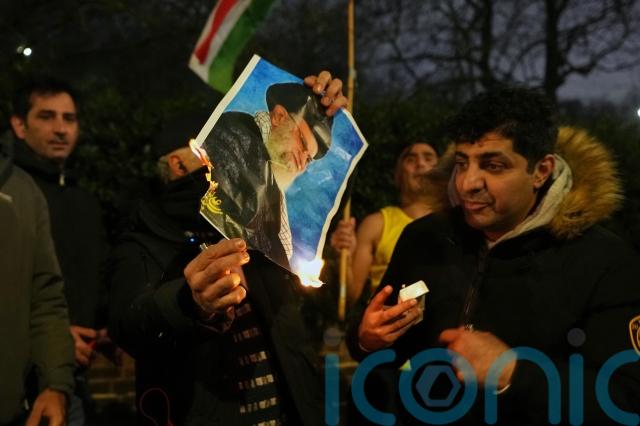
Reza, a taxi driver who also gave just his first name, said protests remain on many people’s minds.
“People — particularly young ones — are hopeless but they talk about continuing the protests,” he said.
Several people in Tehran were able to call The Associated Press on Tuesday morning and speak to a journalist there. The AP bureau in Dubai was unable to call those numbers back.
The witnesses said text messaging still was down and that internet users in Iran could connect to government-approved websites locally but nothing abroad.
Anti-riot police officers, wearing helmets and body armour, carried batons, shields, shotguns and tear gas launchers, according to the witnesses.
Police stood watch at major intersections. Nearby, the witnesses saw members of the Revolutionary Guard’s all-volunteer Basij force, who similarly carried firearms and batons.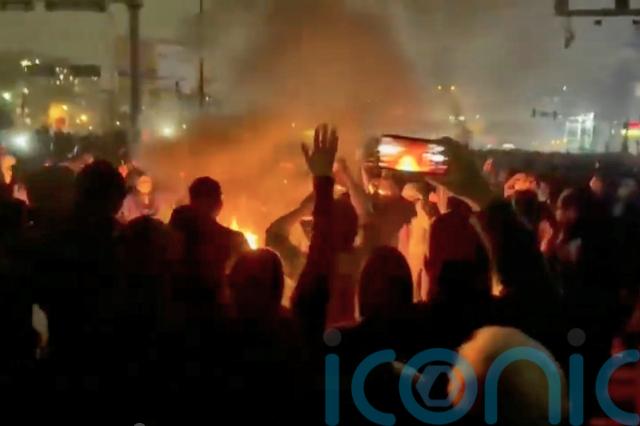
Security officials in plainclothes were visible in public spaces as well.
Several banks and government offices were burned during the unrest, they said.
Banks struggled to complete transactions without the internet, the witnesses added.
However, shops were open, though there was little foot traffic in the capital.
Tehran’s Grand Bazaar, where the demonstrations began on December 28, was to open on Tuesday.
However, a witness, who spoke on condition of anonymity for fear of reprisal, described speaking to multiple shopkeepers who said the security forces ordered them to reopen no matter what.
Iranian state media had not acknowledged that order.
It also appeared that security service personnel were searching for Starlink terminals as people in northern Tehran reported authorities raiding apartment buildings with satellite dishes.
While satellite television dishes are illegal, many in the capital have them in their homes and officials broadly had given up on enforcing the law in recent years.
On the streets, people also could be seen challenging plainclothes security officials, who were stopping people at random.
Iranian foreign minister Abbas Araghchi, speaking to the Qatar-funded satellite news network Al Jazeera in an interview aired Monday night, said he continued to communicate with US envoy Steve Witkoff.
The communication “continued before and after the protests and are still ongoing”, Mr Araghchi said.
However, “Washington’s proposed ideas and threats against our country are incompatible”.
White House press secretary Karoline Leavitt said Iran’s public rhetoric diverges from the private messaging the administration has received from Tehran in recent days.
“I think the president has an interest in exploring those messages,” Ms Leavitt said.
“However, with that said, the president has shown he’s unafraid to use military options if and when he deems necessary, and nobody knows that better than Iran.”

Subscribe or register today to discover more from DonegalLive.ie
Buy the e-paper of the Donegal Democrat, Donegal People's Press, Donegal Post and Inish Times here for instant access to Donegal's premier news titles.
Keep up with the latest news from Donegal with our daily newsletter featuring the most important stories of the day delivered to your inbox every evening at 5pm.

This publication supports the work of the Press Council of Ireland and Office of the Press Ombudsman, and our staff operate within the Code of Practice of the Press Council. You can obtain a copy of the Code, or contact the Council, at www.presscouncil.ie, Lo-call 1800 208 080 or email: info@presscouncil.ie.