
DfI Application process for residents’ parking schemes now open
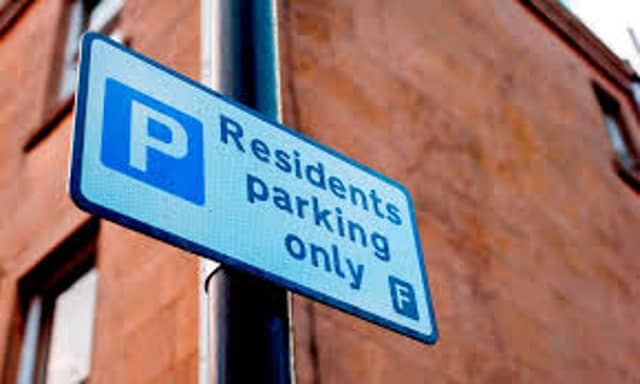

Demand-led application process will enable individuals and communities to submit proposals for residents’ parking zones in their area for formal consideration.
The new process to consider applications for demand‑led residents parking schemes has officially opened.
Infrastructure Minister Liz Kimmins said: “Last month I announced my intention to introduce a new streamlined approach to consider requests for demand-led residents’ parking zones. I am pleased to confirm that the application process opened on Tuesday, April 28.
“The demand-led application process will enable individuals and communities to submit proposals for residents’ parking zones in their area for formal consideration. To ensure effective management of the application process, the window for applications will initially open for a period of three months and will reopen on a cyclical basis. This will allow my Department to better coordinate the assessment and prioritisation of schemes so that the process is managed in a structured, transparent, and efficient way.”
The new approach follows recommendations from the Residents’ Parking Review Report which confirmed that residents’ parking zones can work well where there is clear local need, but identified changes required to deliver schemes more effectively. Further information on residents’ parking zones, including guidance on how to apply, will be published on NI Direct at: Residents' parking zones | nidirect
Minister Kimmins added:“Parking is an issue of concern for residents in many areas so I have no doubt there will be considerable interest in this new process. I would therefore encourage anyone who believes their area would benefit from a residents’ parking zone to carefully consider the criteria and guidance available.”
The application window is open from April 28, 2026 and will close on July 31, 2026.
To be considered for a residents’ parking zone, an area must: have persistent commuter or nuisance parking; be all public (not private) roads; and have less than 50 per cent of properties with access to off-street parking; and include evidence of local support for a scheme.