
Donegal biomethane plants awarded almost €4 million in Government funding
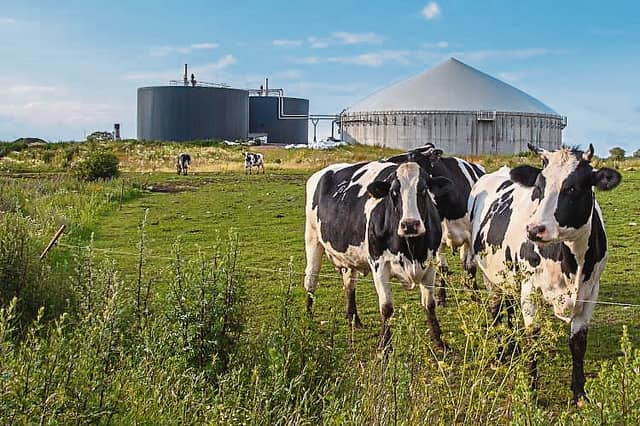

Carrigans and Ballybofey companies among seven nationwide to receive funding as State backs expansion of anaerobic digestion and renewable gas production
Two Donegal firms are set to benefit from €3.8 million in Government funding for the construction and upgrade of biomethane plants in the east of the county.
Brookdale Biogas Ltd, which is based in Carrigans, has been awarded €2.99 million, while Ballybofey-based Glenmore Generation Ltd will receive €840,000, as part of a national funding package worth almost €19 million aimed at accelerating Ireland's biomethane industry.
The grants were announced by Minister for Agriculture Martin Heydon, who said payments to all successful applicants under the 2024 funding round are now commencing following the completion of the assessment process.
The funding, provided through the European Union's REPowerEU programme, is designed to support the construction of new biomethane plants and the upgrading of existing biogas facilities.
Biomethane is produced through the anaerobic digestion of organic materials, including agricultural feedstock, slurry and food waste, before being processed for use as a renewable replacement for natural gas. The Government sees the sector as playing a significant role in reducing greenhouse gas emissions, strengthening energy security and supporting the decarbonisation of homes, transport and industry.
Under the scheme, successful applicants can receive grants covering up to 20% of eligible capital investment costs, subject to a maximum payment of €5 million.
Minister Heydon said the Government had recognised the need for capital investment to help establish the biomethane sector following the publication of Ireland’s National Biomethane Strategy.
“I am pleased to announce that payments under the Biomethane Capital Grant Scheme, worth almost €19 million, are expected to begin to successful projects today,” he said.
He added that the grants represented an important step in supporting renewable energy production while also creating new opportunities for the agricultural sector.
“From an agricultural perspective, there are clear benefits to developing the biomethane sector in Ireland in terms of contributing to the delivery of renewable energy targets. Biomethane also represents a pathway for farmers to diversify income streams.”
However, foul odour emissions from biomethane plants have caused nuisance for people living nearby.
In March this year, Glenmore Generation pleaded guilty to breaching its industrial emissions licence in 2024 in an action brought by the Environmental Protection Agency.
Judge Emile Daly, sitting at Letterkenny District Court, convicted the firm of exceeding the legal emissions approved under licence and imposed a fine of €3,000, a charitable donation of €3,000 to a local school in lieu of a conviction on another charge, plus costs of €31,000. The matter is currently under appeal.
The EPA has also brought actions against biomethane production sites elsewhere in the country, including Clonakilty in County Cork.
The two Donegal projects form part of seven successful applications nationwide, with funding also awarded to projects in Dublin, Meath, Kildare, Tipperary and Laois. Evergreen Agricultural Enterprises in County Kildare received the maximum allocation of €5 million.
Minister for Climate, Energy and the Environment Darragh O'Brien described the grant payments as an important milestone in delivering Ireland's National Biomethane Strategy.
He said the funded projects would contribute towards the Government's target of producing up to 5.7 terawatt-hours of indigenous biomethane annually by 2030. That's around 10% of the State's annual usage of natural gas.
According to the Department of Agriculture, Food and the Marine, the seven projects supported under the current funding round have the potential to deliver approximately 10% of that national biomethane target.
Collectively, they are expected to produce enough renewable gas to meet the heating requirements of around 56,000 homes.
A second round of capital grants for anaerobic digestion plants, worth €200 million, is expected to open later this year and run until 2030.