
Donegal snapper explains the trials and tribulations of wildlife photography
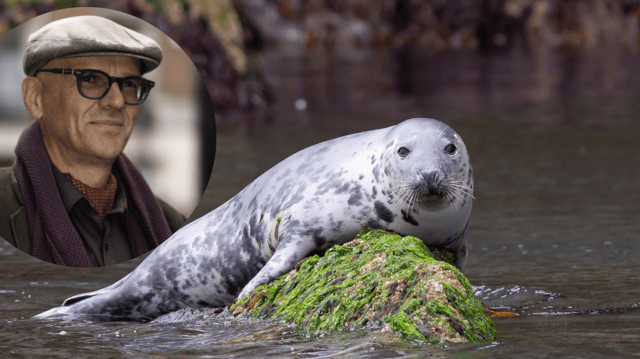

Eamonn Coyle, a native Irish speaker from Gaoth Dobhair, is not only a passionate photographer but also a Chartered Environmental Engineer working in the civil engineering contracting sector
Over the past number of weeks, several newspapers have showcased the work of photographic artist Eamonn Coyle.
Readers and social media followers will recognise the wide range of photographic genres he has explored, from landscapes, portraits, protests, and weddings to high-speed sports, most recently the Donegal International Rally and the Tandragee 100.
“Each photographic style demands its own distinct set of skills,” explains Eamonn. “Landscapes call for patience and stillness, while sports, wildlife, and event photography demand split-second timing and quick reflexes.”
In January 2023, one of his wildlife images appeared on the front page of The Irish Times. Just a few months later, on Easter Sunday, another featured in The Sunday Independent. That same year, one of his pieces was shortlisted for Wildlife Photograph of the Year by the Irish Examiner. Currently, his photograph of a grey seal is featured on the July 2025 page of the Irish Wildlife Trust Calendar.
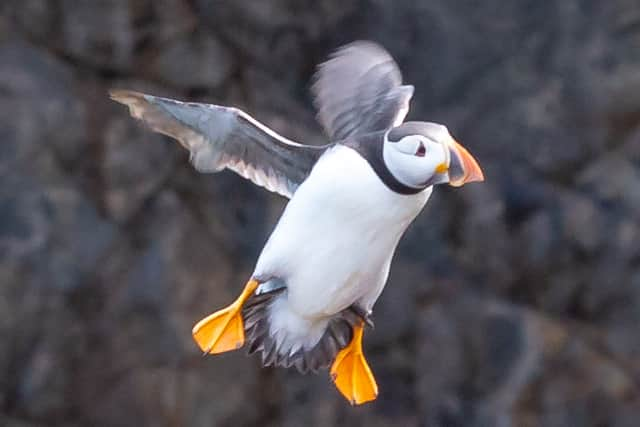
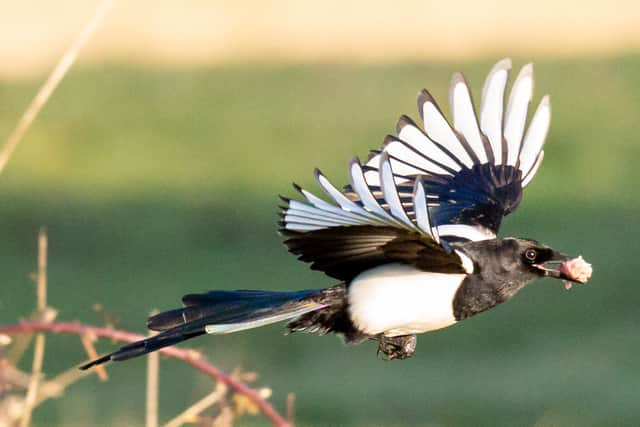
“Wildlife photography,” he explains, “is one of the most demanding disciplines - requiring patience, resilience, and a deep understanding of and respect for nature.”
One of the greatest difficulties facing wildlife photographers today is the stark reality that Ireland’s native wildlife has declined by over 80% since the 1970s. Habitat destruction, pollution, and expanding infrastructure have all taken their toll.
Disturbingly, raw sewage continues to be discharged into oceans, rivers, and lakes across parts of Ireland, endangering aquatic ecosystems.
“Crops are being unnaturally forced from the soil through intensive chemical fertilisation, contaminating the land and damaging local biodiversity,” he adds.
“Seagulls, once dependent on marine fish, are now increasingly scavenging from bins in urban areas like Grafton Street, a stark indicator of ocean overfishing and pollution.”
Meanwhile, the vast majority of domestic septic tanks remain dysfunctional, quietly polluting the groundwater. As a Chartered Environmental Engineer, Eamonn recognises the difficult balancing act facing modern Ireland.
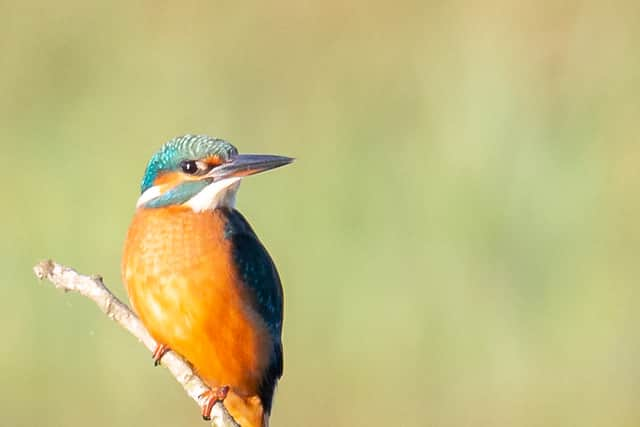
“Large-scale promises such as the construction of 300,000 new homes often appear ignorant of the deficits in supporting infrastructure and the irreversible ecological damage such vast developments would cause.”
Even protected species are under pressure. “Badgers are still being culled,” says Eamonn, “often on the outdated assumption that bovine TB transmission comes from badgers - despite wide scientific disagreement.”
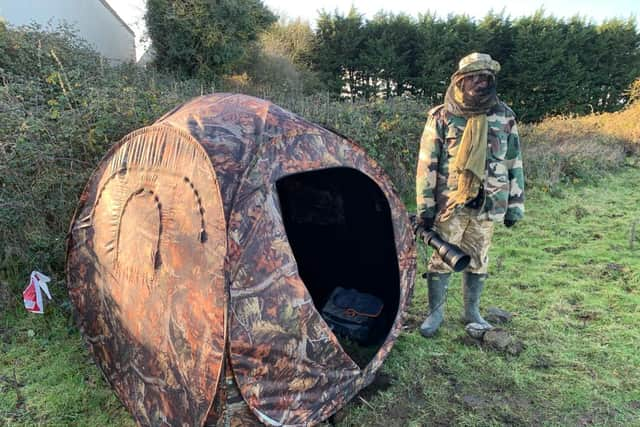
Foxes too are under threat, often in areas where some still bizarrely regard hunting as a sport. Animals are constantly alert and on the move. “They see us as a threat and vanish quickly,” he explains.
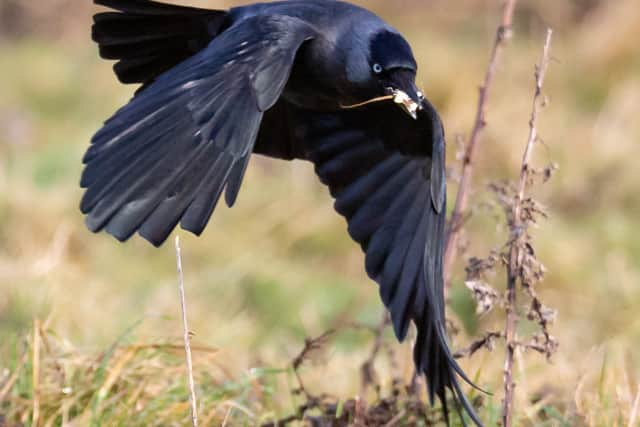
Despite these challenges, he describes wildlife photography as one of the most rewarding forms of artistic expression.
“There’s an honesty - a raw creative atmosphere in Irish wildlife that I don’t see in people photos.”
Through his lens, Eamonn hopes to continue shining a fresh light on the natural world - not just in what we photograph, but in how we see it.
“Every photograph,” he says, “is a witness to what we still have - and what we stand to lose.”
Eamonn Coyle is a photographic artist and Chartered Environmental Engineer from Gaoth Dobhair, who combines his academic and professional expertise in environmental engineering with a deep passion for capturing Irish life, nature, and culture through his photographic artistry.
He received his early education at Pobalscoil Ghaoth Dobhair and later studied at the University of Ulster (Jordanstown), Nottingham Trent University, Griffith College, and Dublin City University. Eamonn is a Chartered Engineer, a Chartered Environmentalist, and a Chartered Member of the CIOB. He has also completed numerous formal photography courses, firmly believing that the necessary technical and artistic skills cannot be effectively self-taught