
Health & Happiness: Woodlands, wellbeing, and a touch of Easter magic

Columnist Aileen Casey is a Buncrana-based writer, parent and healthy-living enthusiast with a background in early childhood care and elderly support
In the heart of Inishowen, our woodlands are more than just pretty scenery. They’re gentle havens of mental and physical wellbeing, offering something that modern life often forgets. It’s not just about a walk in the woods; it’s about the layers of benefits that come with it, both seen and unseen, that begin to unfold the longer you spend there.
There’s a growing understanding of what’s called “forest bathing,” or simply immersing yourself among the trees. Studies have shown that spending time in woodland areas can actually help fight off infections and even reduce stress, thanks to natural compounds called phytoncides that trees release.
But it’s not just about health. Woodlands offer a sense of connection to the land, to a simpler pace, and even to each other. There’s a natural slowing that happens without needing to force it.
It’s no wonder that staycations in woodland cabins are thriving, offering people a break that’s both restful and enriching. There’s a magic to being surrounded by trees, a feeling that time moves differently, and that’s something we all need more of in our day-to-day lives.
For those who own even a small piece of land, planting native trees isn’t just an environmental act, it’s a way of creating a legacy of wellbeing.
Over time, those trees become part of something bigger than ourselves. Native woodlands become places where families can explore, children can play, and everyone can find a bit of mental breathing room away from daily pressures.
It’s a long-term gift to both the environment and to the community that will enjoy it for years to come, growing year by year.
There’s also something special in what children begin to notice when they spend time in woodland spaces. It’s often the small things at first, the movement of a robin on a low branch, the sudden dart of a wren, or the soft call of a blackbird carrying through the trees.
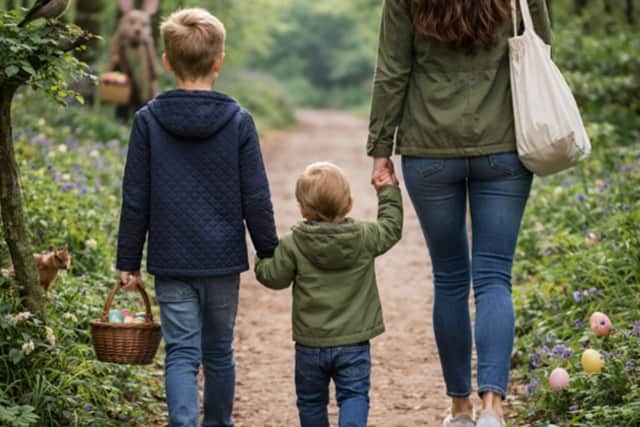
If you’re lucky, you might spot a red squirrel moving quickly along a branch, or even catch a glimpse of a fox slipping through the undergrowth or, depending on who you ask, the Easter Bunny passing through on important business. Deer tracks, badger trails, and the rustle of something unseen all become part of the experience.
Woodlands are full of life once you start to look. Bluebells in spring can carpet the ground in soft colour, while ferns, moss and foxgloves fill out the layers beneath the trees. Hawthorn and rowan stand along the edges, long associated with Irish folklore and story. It doesn’t take much for imagination to take hold in places like this.
It’s often in these same spaces that children begin to create their own sense of magic. A hollow at the base of a tree becomes a doorway, a cluster of moss turns into a tiny landscape, and before long, fairy houses and little woodland gardens begin to appear.
Bits of bark, stones, twigs and leaves are gathered and arranged into something small but meaningful. It’s simple, but it draws children in completely, connecting them not just to nature, but to a sense of wonder that feels easy and natural.
And since we’re in the season of Easter, it’s a perfect time to gently weave in a bit of that magic. Easter is all about renewal and fresh starts, and there’s something special about turning a simple woodland visit into its own kind of adventure.
It can feel like setting off on a small expedition, flasks packed, treats tucked into bags, and a sense that the day might lead anywhere. There’s something deeply wholesome and nourishing in it all.
Children can wander, explore and discover, while a simple forest “treasure hunt” unfolds, collecting leaves, spotting birds, gathering twigs and bits along the way.
In the end, embracing these natural spaces is about remembering that sometimes the simplest moments, like a walk in the woods or a bit of Easter magic, are the ones that bring us a genuine sense of renewal.
And that’s a feeling we can carry forward well beyond the holiday itself.