

9.
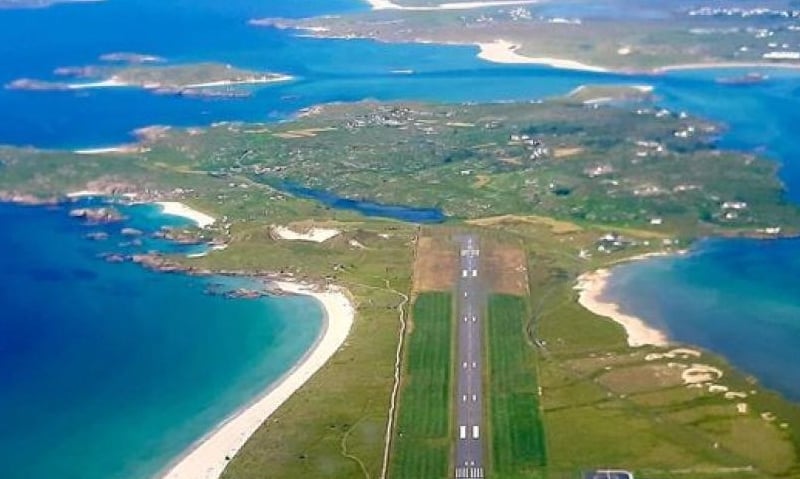
Donegal AirportAlthough this may be the most widely known feature on the list, it had to be mentioned. Donegal’s only airport was opened in 1986 and it is situated in Carrickfinn. It is a regional airport which serves the North-west, facilitating flights to and from Dublin twice daily and the airport also offers flights from Carrickfinn to Glasgow four times a week. The Airport located on the Wild Atlantic Way was voted the number most scenic airport landing in the world. The airstrip received recognition for three consecutive years in a row by private jet booking service PrivateFly. Carrickfinn ranked above airports such as Msembe Airstrip, Tanzania and Skiathos (Alexandros Papadiamantis) Airport, Greece.Inspired by the recognition of being the most scenic landing in the world, recently, there was a four-part documentary series on TG4 about Donegal Airport. Aerfort Dhún na nGall showed viewers an insight into the running of a small regional airport which was portrayed through the stories of the passengers flying in and out and the airport and the staff responsible for keeping the vital service operating.
10.
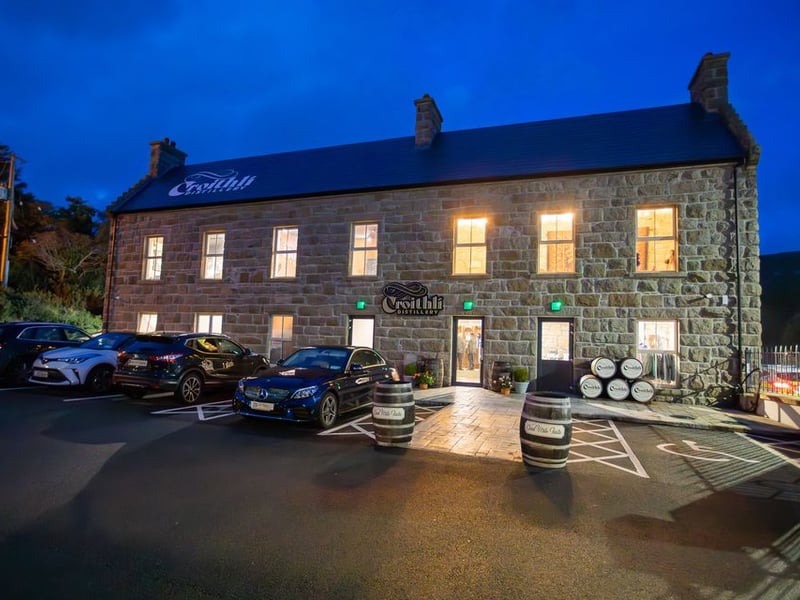
Crolly DistilleryWhen exploring Donegal, why not experience a taste of the distillation of traditional Donegal Gaeltacht whiskey. In September 2020 the legal distillation of Donegal whiskey resumed for the first time in one hundred and eighty years.Croithlí Distillery uses a specific approach of direct-fired pot stills for their double distillation which is sourced from the Cognac region and rebuilt to make magnificent spirits in Croithlí. The distillery takes a ‘grain to glass approach’ and incorporates three locally sourced ingredients, the water from Loch Caol and Burt barley and yeast to produce an organic spirit.Croithlí Distillery is open to the public and they offer two types of tours, depending on your desired experience. The first tour is called ‘Cead Isteach’, which allows you to discover the essence of Donegal Gaeltacht, experience the process of making the whisky, hear the stories of history, taste one whisky and sample new make spirits. The second involves a premium experience, which shows the interactive guide of the building's history and the production of their spirit, with a tasting of all whiskeys and an option to create your personalised bottle. A truly unique experience.
11.
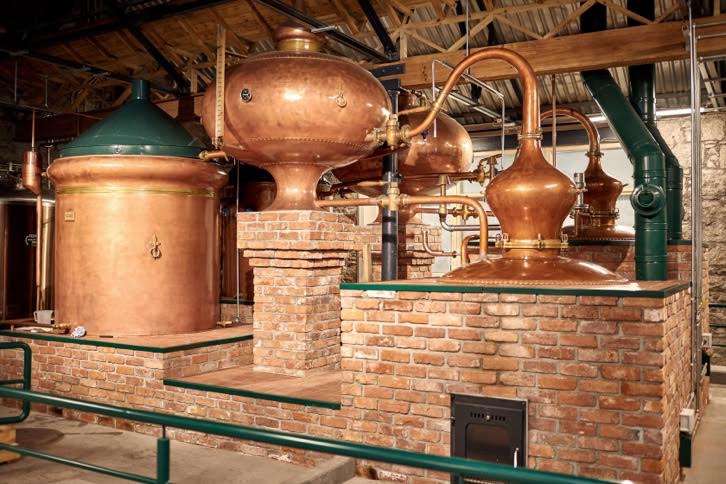
Crolly DistilleryWhen exploring Donegal, why not experience a taste of the distillation of traditional Donegal Gaeltacht whiskey. In September 2020 the legal distillation of Donegal whiskey resumed for the first time in one hundred and eighty years.Croithlí Distillery uses a specific approach of direct-fired pot stills for their double distillation which is sourced from the Cognac region and rebuilt to make magnificent spirits in Croithlí. The distillery takes a ‘grain to glass approach’ and incorporates three locally sourced ingredients, the water from Loch Caol and Burt barley and yeast to produce an organic spirit.Croithlí Distillery is open to the public and they offer two types of tours, depending on your desired experience. The first tour is called ‘Cead Isteach’, which allows you to discover the essence of Donegal Gaeltacht, experience the process of making the whisky, hear the stories of history, taste one whisky and sample new make spirits. The second involves a premium experience, which shows the interactive guide of the building's history and the production of their spirit, with a tasting of all whiskeys and an option to create your personalised bottle. A truly unique experience.
12.
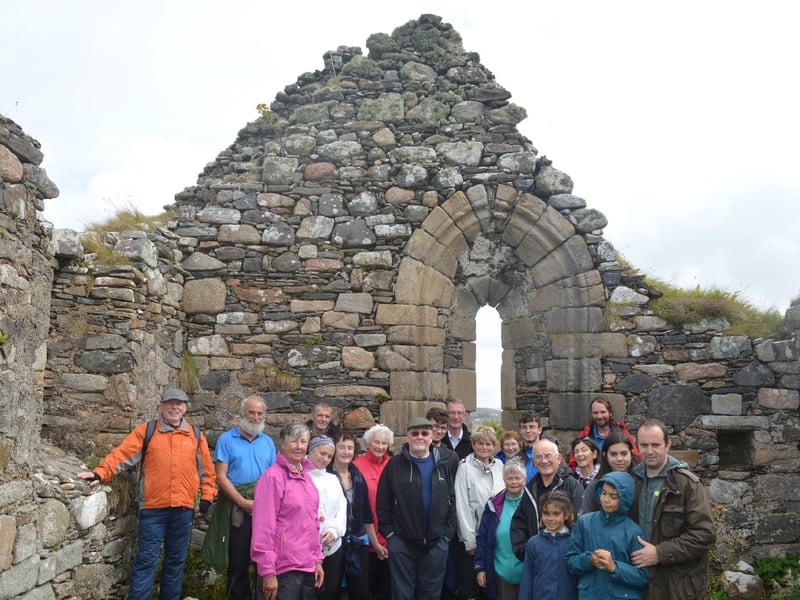
Templecrone ChurchTemplecrone church is located on the remains of a 6th-century monastery founded by a local saint named St Crone. The church is located in Termon which is outside Dungloe. St Crone lived around the same time as her more famous kinsman Columbkille, one of the Twelve Apostles of Ireland, who founded the monastic settlement at Iona. St Crone has undoubtedly left an indelible mark on the Rosses with her name being associated with everything from islands to fairs. The established church was the centre of the parish of Templecrone and the remains of the church date from the 13th century. A pilgrimage is held every year on St Crone’s feast day on July 7.Interestingly, Templecrone displays an example of transitional architecture. The east window on the church dates from the time when Romanesque round arches evolved to Gothic architecture's pointed arches.