
The ones who went away: The story of Donegal’s forgotten emigrants
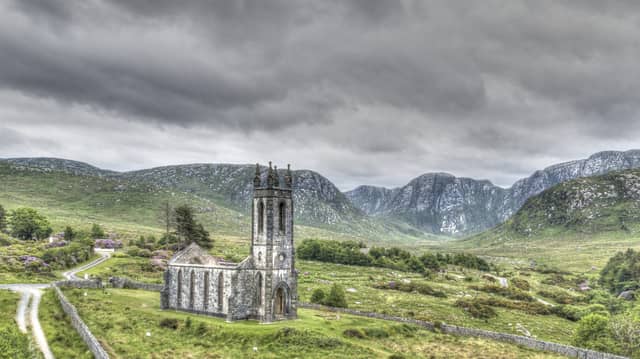

Donegal’s long, sorrowful history of emigration began with the Great Famine - with little hope at home, generations left for survival, continuing well into the 20th century, briefly reversing during the Celtic Tiger era of 1994, and reigniting after the 2008 crash
Donegal's long, sorrowful history of emigration began with the Great Famine of the 1840s. With little hope at home, generations left for survival, continuing well into the 20th century, briefly reversing during the Celtic Tiger era of 1994, and reigniting after the 2008 crash.
The Reality Abroad
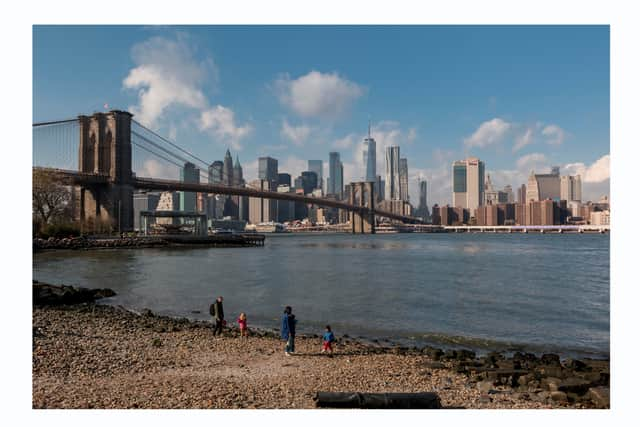
Countries like America, Australia, England, and Scotland welcomed Irish emigrants, but mostly for their labour. Though opportunities existed, true acceptance was rare. The Irish were often treated as second-class citizens, facing exclusion and discrimination. My father experienced this in the 1940s. I witnessed it again in the 1980s.
Life in Post-War Scotland
My father emigrated after World War II. He didn’t speak English and was ridiculed for it—thereafter developing, like many, a deep resentment of the Irish language.
He and six other men from Gaoth Dobhair lived on Scotland’s east coast in crude bothaí—converted horse stables with straw beds. A local Bean an Tí cooked three meals daily. One night, after returning from the pub, my father ate all six men’s suppers before collapsing into the straw.
These were the 1940s and ’50s, times of hardship, resilience, and quiet endurance. These bothaí were bleak, improvised shelters. It is still whispered that one was deliberately set ablaze—whether by cruelty or carelessness. In a haunting episode from that time, it’s said the last train to Achill carried the burned remains of young emigrants who died in such a hut in Scotland. Whether myth or memory, it underscores the grim conditions Donegal’s sons and daughters endured abroad.
Retracing the Path to London
In 1987, with seventy borrowed pounds, I followed in his footsteps. My brother and I moved to a bedsit above a Greek chip shop in London, swarming with flies. Our older brother Padraig visited that August and was mortified.
To us, though, it was normal. Every Donegal emigrant we knew lived the same way. We survived on kebabs and fish and chips.
One local emigrant from Bun a’ Leaca, now deceased—Hughie Eamoinn—once retorted:“If we were put into accommodation like this back in Donegal for just one day, we would immediately flip into insanity.”
Health and Safety: An Unknown Concept
The idea of workplace safety simply didn’t exist. Though the UK introduced its Health and Safety at Work Act in 1974, enforcement in construction remained weak for decades.
We worked in hazardous conditions, especially in construction. Asbestos was everywhere. As a direct result, several men from Gaoth Dobhair, including my uncle Frank and Hudie, died prematurely. Three young Donegal men were killed when they returned to a Scottish tunnel job in January 1986. Undetected gas had built up during the Christmas break, and exploded the minute they resumed work in the New Year.
Racism and Sectarianism
Scotland remains predominantly Protestant. Irish Catholic emigrants, especially those from Donegal, were frequent targets of sectarian abuse. I experienced it firsthand in Glasgow in the late ’80s and early ’90s.
While building Glasgow’s St. Enoch’s Square shopping centre in the mid-1980s, tea breaks were staggered, Protestants first, then the Connalaigh. One morning, the Donegal navvies opened the urn to find discoloured water. A dead rat had been dropped inside from the earlier break. The phrase “Is glas na cnoic i bhfad uainn” rang hollow.
In England, we were stereotyped as “Paddy blokes” or, as one neighbour put it, just “Padraig Mór”—a crude way of dismissing Irish men as interchangeable brutes. These views ignored the dignity, skill, and spirit of the Irish workers they depended on.
A Reflection Through Theatre
A Reflection Through Song: Gleanntáin Ghlas’ Ghaoth Dobhair
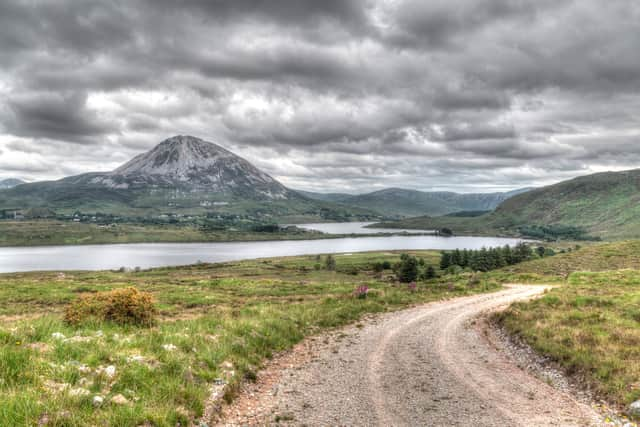
One song captures Donegal’s emigrant spirit more than any other: Gleanntáin Ghlas’ Ghaoth Dobhair -The Green Glens of Gweedore, written by Proinsias Ó Maonaigh.
It tells of a man forced to leave, not by choice but necessity. His love for the glens, the people, and the Irish language never fades.
The song’s message mirrors my own: emigration was rarely a dream—it was a sentence. Yet across time and distance, we carried the same hope—to one day return home. This song is no mere lament. It is a declaration of identity, endurance, and belonging.
Forgotten Stories: Amuigh ar an Lagain
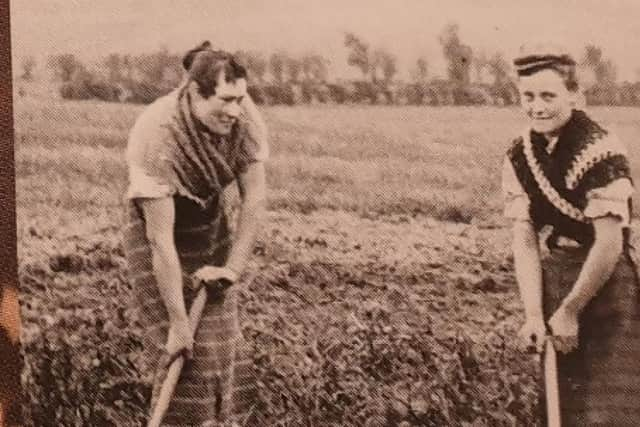
When that seasonal migration ended, many young men became Tattie Hoakers - manual potato pickers in Derry and Scotland. It was cumbersome, cold, back-breaking work. A cruel undertaking that aged boys into men far too soon.
Coping Mechanisms and Irish Identity Abroad
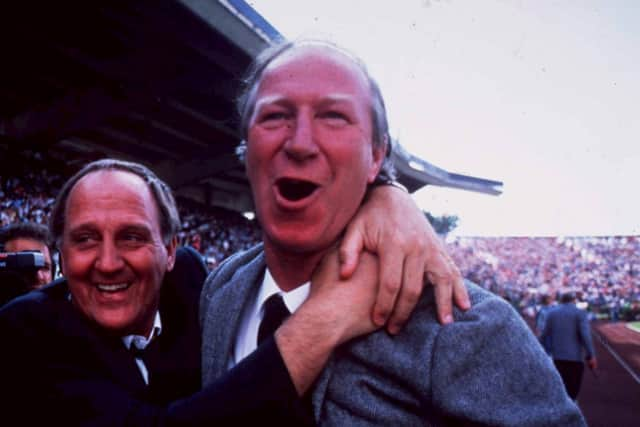
Beyond the Struggle: Success and Legacy
Despite everything, many Irish emigrants flourished. Today, more people of Irish descent live abroad than in Ireland.
Figures like Packie Bonner, Liam Brady, Sonia O’Sullivan, Frank Stapleton, and Pádraig Harrington became global icons. Murphy International—now one of the world’s biggest civil engineering firms—was founded by John Murphy, a Gaelic-speaking man from Kerry who began by digging trenches with his bare hands.
In Glasgow, Donegal-founded firms like Clincart, Culdaff, and Frontline gave steady work to generations of navvies.
It’s often said the Irish built America. But we also helped build England, Scotland, and Australia. Today, the Irish are celebrated, not just for our hands, but for our hearts, minds, and culture.
Conclusion: More Than a Memory
Donegal’s emigration story is not just history, it’s identity. For most, it wasn’t a dream. It was a forced crossing. Yet we adapted, endured, and often excelled. This legacy lives on in stories, in language, in song, and in the quiet strength passed down through generations. The world may have taken our people, but never their pride, their language, or their love of home.
Eamonn Coyle is a Chartered Engineer and Chartered Environmentalist, originally from the Gaoth Dobhair Gaeltacht