
Ward calls for expansion of not-for-profit community living services in Donegal

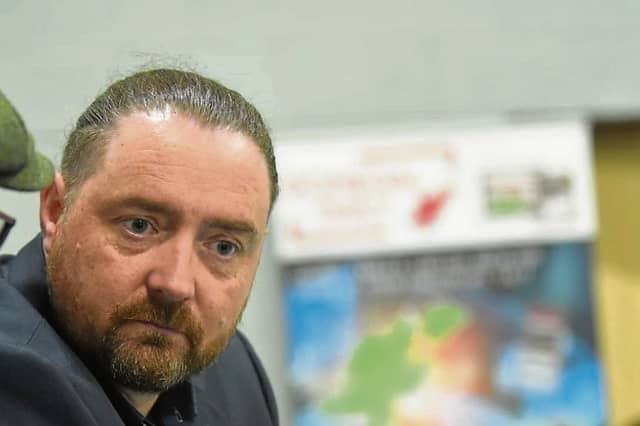

“The absence of a national waiting list means the true level of unmet need remains unclear” - Redress Party leader
TD Charles Ward has called for the expansion of public and not-for-profit community living services in Donegal
“It’s not good enough at the moment,” claimed the Donegal Redress Deputy. “The need is going to increase exponentially in Donegal, where there are adults with intellectual disabilities living in homes that are crumbling, with nowhere to go.”
Deputy Ward was speaking in support of a motion put forward by the Social Democrats, which called on the government to publish a five-year national community living strategy for adults with an intellectual disability.
“Disabled people, families, and advocacy organisations have continuously called for progress towards community inclusion and away from institutional models of care. Housing and support services must be designed around the individual rather than determined by available vacancies,” he warned.
The 100% Redress Party leader said that planning for future living arrangements should begin well before a family reaches crisis point, but that many families feel unable to make such arrangements in advance because of how the system works; instead, they are forced to wait until a space becomes available.
He continued: “Families currently face a confusing system involving multiple agencies, with no single body taking responsibility for coordinating long-term planning. As well as this, greater transparency is needed regarding actual numbers of people on waiting lists, out-of-area placements and the increasing reliance on private residential providers. The absence of a national waiting list means the true level of unmet need remains unclear.”
Deputy Ward welcomed the HSE’s recent expansion of Community Inclusion services in Donegal and Buncrana.
He added: “Local services are so important for developing independence and strengthening community connections. Adults with an intellectual disability should have the opportunity to live independently within their local communities, supported in ways that promote dignity, choice, and full participation in everyday life.”