
Works on restoration of sand dune habitat at Murvagh to run until February
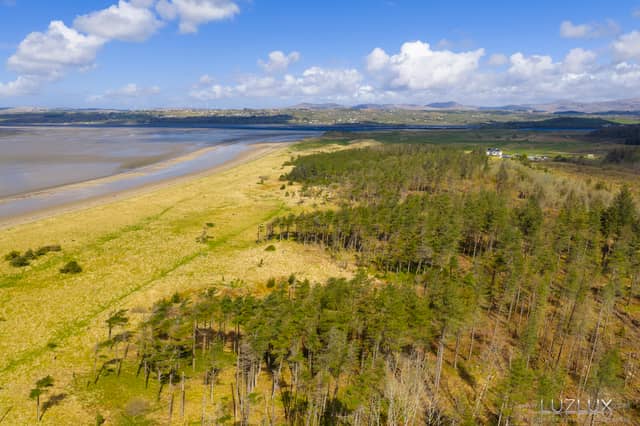

The project, being undertaken by Coillte in partnership with the National Parks and Wildlife Service (NPWS), will restore and expand important sand dune habitat at Murvagh
Works to restore and expand areas of important sand dune habitat at Murvagh Forest are to start next week and run until February.
The project, being undertaken by Coillte in partnership with the National Parks and Wildlife Service (NPWS) through the EU-Funded LIFE Insular project, will restore and expand important sand dune habitat at Murvagh, strengthening the biodiversity and resilience of the area for the future.
Coilte said it is expected the main access path will remain open where possible, while the restoration works are underway. However, some temporary trail closures are expected between November 2026 and February 2027 to allow the works to be carried out safely.
Visitors are asked to follow safety signage and instructions from staff on site. Coillte says it will continue to provide updates to the local community on access arrangements as the works progress.
The works will include the removal of trees and branches to allow areas of the sand dune habitat to expand.
Naturally regenerated trees on the open dune will also be felled and removed. In some parts of the site when the trees have been felled and cleared, the top layer of soil and needles will also be removed. This exposes the sand beneath and provides the best conditions for dune restoration.
The works follow the completion earlier this year of recovery operations at Murvagh following damage caused by Storm Éowyn in January 2025. Repairs to walking trails associated with those operations have also been completed.
Sand dunes are dynamic coastal ecosystems that support a diverse range of plants and wildlife, while also forming part of a landscape enjoyed by local communities and visitors. The restoration at Murvagh aims to strengthen the natural processes that sustain the dune habitat, helping to protect its biodiversity and resilience.
Karen Woods, nature conservation delivery lead with Coillte said: “Murvagh is an important place for nature and for the many people who visit and enjoy the forest and coastline. One of the most rewarding aspects of nature restoration is seeing habitats recover and become more resilient over time. Through this project we are creating the conditions for important sand dune habitats to expand and for coastal plants and wildlife to thrive. Over time, that will help create a more diverse and resilient ecosystem.
“At Coillte, we've seen the positive impact that practical action and meaningful restoration can deliver on the ground in similar areas of high biodiversity value, and we're excited to bring that experience to this project in Donegal. We recognise how much Murvagh means to the local community and visitors to the area, and we will work to minimise disruption and keep people informed while these important restoration works are underway.”