


5.
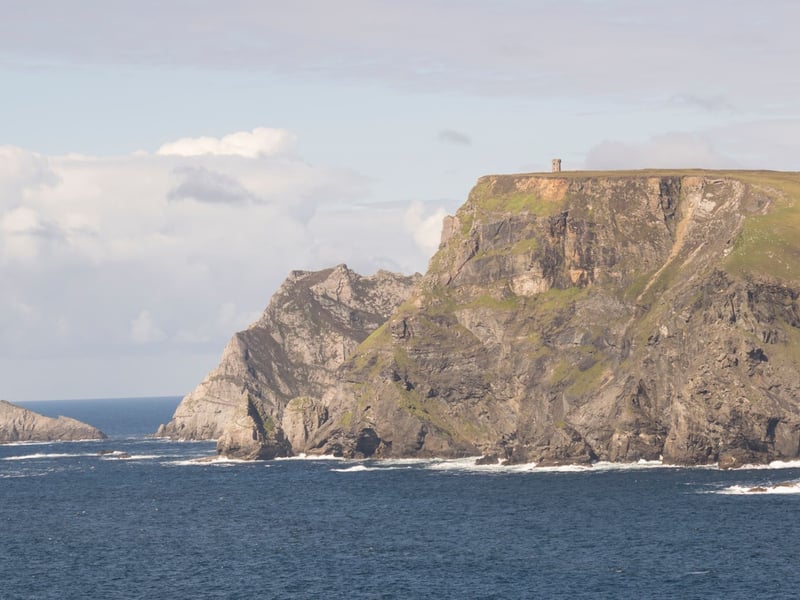
Glencolmcille and Glengesh Starting from Killybegs, take the climbing coast road to Kilcar and Carrick for expansive views over Donegal Bay. From high vantage points along the route, enjoy glistening seas, steep cliffs ,and the activity of fishing boats and the occasional cruise ship coming in and out of Killybegs. Continue to Glencolmcille and step back in the time at the Folk Village. Take time to appreciate the stone map of Ireland, carved by a collective of stone masons and reflecting the stone and heritage of each county. While in Glencolmcille, go as far as the silver strand at Malinbeg and take a walk down to the Silver Strand, but be warned - there are a lot of steps! From Glencolmcille, follow the signs for Ardara. If you have time, take a detour to the former village of Port and its beautiful, rugged bay and harbour. Back en route for Ardara, the Glengesh Pass really is a sight to behold - and there is a lovely little parking area from which to take it all in before starting the descent to the valley far below. Continue into Ardara and take time to enjoy all that this heritage-rich town has to offer. Back then to Killybegs, where you can top off the experience with fish and chips by the harbour.
6.
Inishowen 100 One of the county’s longest established driving routes, the Inishowen 100 takes us along the peninsula’s coastal roads to Ireland’s most northerly point, Malin Head. From dramatic seas, wild coastline, and a wealth of fantastic beaches, you are in no doubt that this area has been shaped over aeons by immense forces of nature, from the powerful Atlantic to the ice fields and glaciers of the ice age. There is so much to do in Inishowen that one visit is nowhere near enough. Towns such as Moville, Carndonagh and Buncrana offer a wealth of places to eat, as do the many villages along the way. Maritime history is very evident, and new chapters are being written as cruise ships are welcomed and a new era of recreational water activities thrives in the peninsula. From kayaking around sea stacks and into caves, to dolphin-watching from charter boats, this is a sea-lovers paradise.
7.
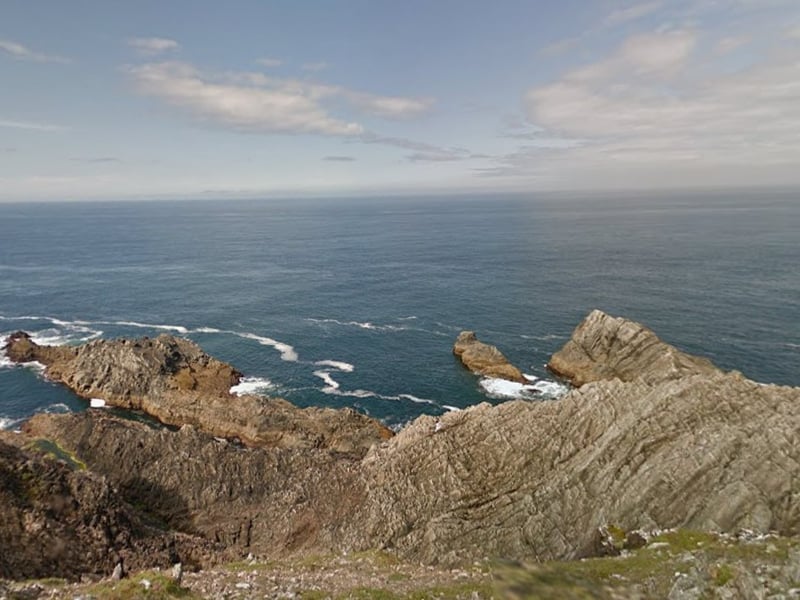
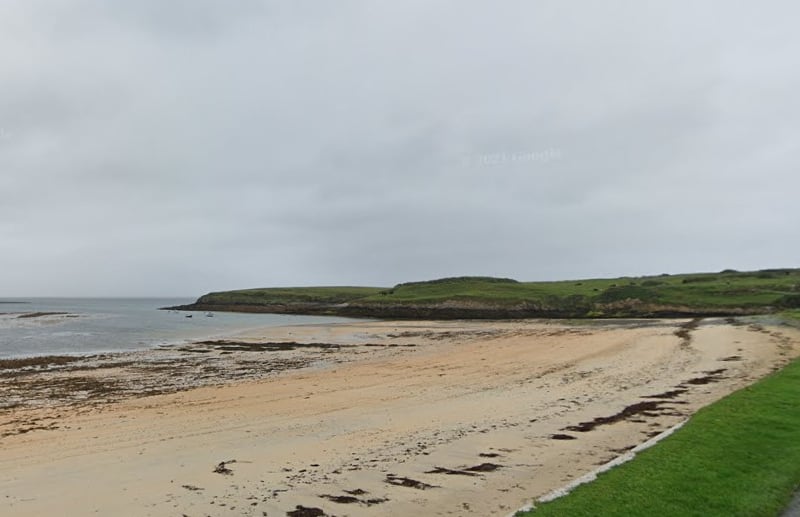
The Headlands Donegal’s location on the north west of Ireland means that the ocean has shaped many headlands, far too numerous to name individually. A few examples that make for a great road trip are St John’s Point in south Donegal and Horn Head near Dunfanaghy. St John’s Point stretches for miles into Donegal Bay from the village of Dunkineely between Donegal Town and Killybegs. The narrow peninsula boasts a coral beach (pictured above), dramatic cliffs, sheltered coves, and St John’s Point lighthouse. Its varied habitat includes an area of wetlands, making it a great place for birdwatchers and nature enthusiasts. And you never know, you might be lucky enough to catch a glimpse of whales or dolphins off the coast. St John’s Point has the remains of a castle, with another important heritage feature being the Killaghtee Cross. Horn Head is just a short drive from Dunfanaghy. Follow the winding road up around the headland and take in the views of Sheephaven Bay and the steep cliffs. There is a real sense of being exposed to the elements here, and the open cliffside is not for the faint of heart. Wherever you are in the county, keep an eye out for the brown information signs and let them guide your journey of discovery of all the fantastic sights, activities and heritage that Donegal has to offer.