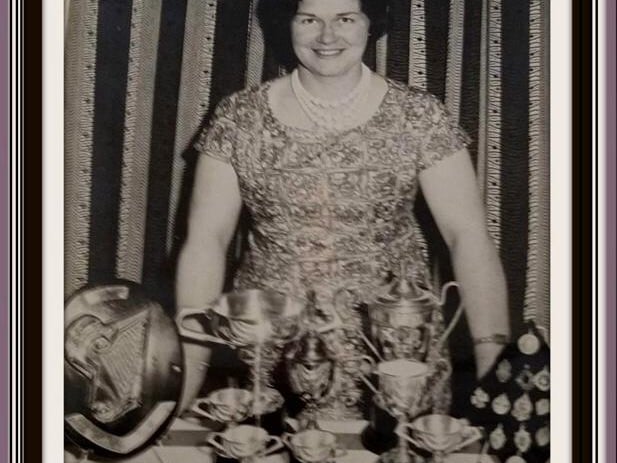
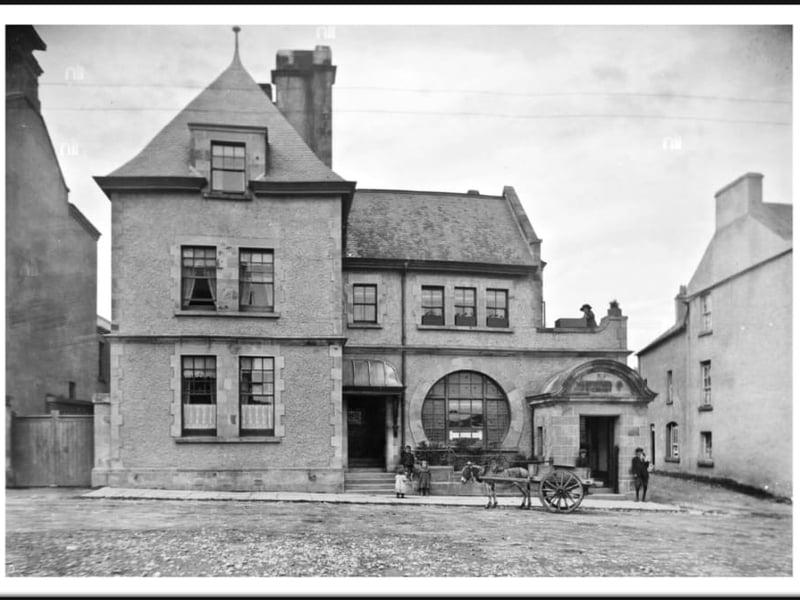
Cloone Ceili Band “Through famed County Leitrim, I’ve travelled for sights / Its valleys so deep and its great mountain heights / No spot in the county, my longings could win / Like the fair town of Mohill on the shores of Lough Rinn.” So sang Mohill balladeer Mae Reynolds Malone in her tribute Sweet Mohill for Me, recorded by Seamus Ennis for the BBC in 1954. The ballad praises the views over Mohill, the castle at Lough Rynn, the cinema and the three grand hotels that once stood in the town. Songs like this one, and many others from the Mohill area, serve as informal historical records – charting events from the building of the chapel and St. Patrick’s Day celebrations to tales of Lord Leitrim, the Narrow Gauge railway, and everyday local happenings. At times, the very air of Mohill seems alive with echoes of its musical past – pipers at the train station, fiddlers at the fireside, and singers lifting their voices at concerts, markets, and fairs. Even The Belfast News Letter noted in February 1966 that Mohill was “a centre of Irish traditional music,” after reporting on a visit from the Pike Folk Song Group. O’Carolan’s Mohill The story of Mohill’s music begins with none other than Ireland’s most celebrated harper, Turlough O’Carolan. He spent his married life in Mohill, having first come to know the area through the Crofton family of Mohill Castle. Local evidence suggests that he composed Caitlín Tríall (Kitty Tyrell of Lough Erril) for a lady by the lake outside the town. What we do know for certain is that his haunting Lament for Máire was written in sorrow for his wife, Mary Maguire, with whom he reared a family in Mohill up until her death in 1733. READ MORE: GALLERY: Bands from Manorhamilton Rock School raise thousands at Gig for Gaza Though only a handful of his tunes were written down during his lifetime, later collectors such as Edward Bunting preserved O’Carolan’s music. Thanks to their efforts – and the musicians who kept the tunes alive through famine,
GALLERY: A celebration of Mohill's rich traditional music heritage
From the harp of O’Carolan to the musical recordings of the Fitzpatricks and Dunleavys, from Percy French’s stagecraft to Mae Reynolds Malone’s ballads, Mohill’s music is a living soundtrack. Each generation has reshaped it, yet the heart remains: tunes sprung from the soil, voices carried across oceans, and stories binding past to present.