
Ireland meets Egypt in striking new photography exhibition


Photographer Laura Jean Zito explores the surprising connections between Irish and Bedouin communities in a new Ballinamore exhibition
Two places thousands of kilometres apart may have more in common than we think. A striking new photography exhibition opening in Ballinamore this month will place images of Ireland alongside photographs of Bedouin life in Egypt’s Sinai Desert, revealing unexpected similarities between the two cultures.
Cultural Similitudes, by acclaimed photographer Laura Jean Zito, will run at Solas Art Gallery from September 11 to October 9. Drawing from Zito’s extensive photographic archive, the exhibition explores communities shaped by tradition, resilience, austerity and enormous social change.
The photographs are deliberately paired, creating visual conversations between people and ways of life that, on the surface, might appear worlds apart. The exhibition includes black-and-white silver gelatin photographs, colour C-prints and archival pigment ink photographs.
Zito’s Irish work captures what she describes as “decisive moments” — disappearing ways of working by hand, glimpses into private lives and the character of communities living through a changing Ireland. Her photographs from Sinai offer an equally intimate perspective.
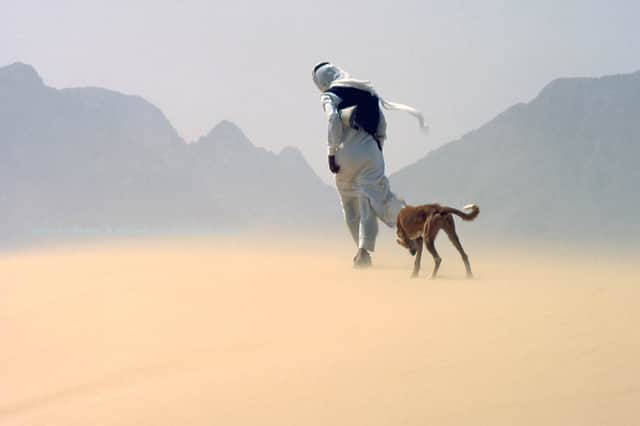
Zito’s long relationship with the community, familiarity with local dialects and friendships in the region have given her access to aspects of Bedouin life rarely seen by outsiders. Rather than photographing people through the familiar imagery of conflict or cultural stereotypes, she focuses on ordinary human experiences — earning a living, raising children, following ambitions and finding happiness. Placed alongside her Irish photographs, those images begin to reveal something deeper.
Despite differences in geography, religion, landscape and culture, both communities have experienced the pull between old traditions and a rapidly changing modern world. At its heart, Cultural Similitudes asks visitors to look beyond those differences and consider what people share. The exhibition becomes as much about memory, family, work and belonging as it is about photography — and suggests that lives unfolding thousands of kilometres apart can carry remarkably familiar stories.
Cultural Similitudes will officially open at Solas Art Gallery, Island Theatre, Ballinamore, on Friday, September 11 at 7.30pm. The exhibition will be opened by Mariette Baptist-Fruin, who grew up in Egypt during the 1970s and worked in and with Middle Eastern communities until 2018. Now living in County Leitrim, she expresses her own experiences and observations through poetry and photography. The exhibition continues at Solas Art Gallery until October 9.