
Leitrim left behind in Multiple Sclerosis care amid urgent calls for change

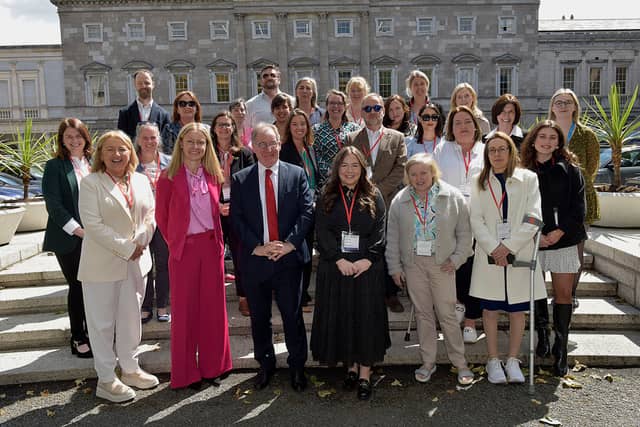

MS Ireland urged members of the Oireachtas to back a proposal for €72,997.56 to fund a new Community Worker post in Sligo-Leitrim, the only region in the country without a dedicated MS community worker.
The Multiple Sclerosis Society of Ireland (MS Ireland) has called for urgent investment in Sligo-Leitrim, highlighting it as the only region in the country without a dedicated MS community worker.
The call was made during MS Ireland’s 2026 Budget submission, presented to over 40 members of the Oireachtas at a World MS Day briefing held in Leinster House today.
As part of its proposals, MS Ireland is seeking €72,997.56 to fund a new Community Worker post in Sligo-Leitrim. The role, they say, would provide direct casework support, improve access to early intervention, and reduce pressure on wider health and social services – aligning with the Sláintecare model.
Hosted by Deputy Colm Burke, the event featured powerful testimonies from people living with MS, alongside insights from medical and service delivery experts.
Together, they highlighted the lived realities of those affected by MS and the urgent need for targeted investment in services to improve quality of life for the over 9,000 people living with the condition across Ireland.
“World MS Day is a reminder of the importance of listening to the MS community. Today’s attendance by over 40 Oireachtas members shows a strong commitment to understanding and addressing the challenges faced by people with MS,” said Alison Cotter, Advocacy Officer at MS Ireland.
In addition to the Sligo-Leitrim proposal, MS Ireland is also seeking €1 million in sustainable funding to expand specialist physiotherapy services nationally.
The funding would support the hiring of nine senior physiotherapists to support over 1,400 individuals with MS and other neurological conditions.
According to MS Ireland, this investment could reduce disability-related healthcare costs by up to €19 million annually.
Research participants have reported a 43.1 percent reduction in healthcare service usage, a 33 percent drop in A&E visits and 57.4 percent fewer hospital bed days, along with notable improvements in quality of life, mental health, and reduced fall rate.
The briefing aimed to provide policymakers with evidence based insights to guide future healthcare planning and resource allocation.
Attendees were urged to consider the long-term economic and social impact of investing in comprehensive MS supports – not just as a healthcare priority, but also as a cost-saving measure for the state.