
‘Something stirring in the wind’ on Stormont reform, says NI Secretary
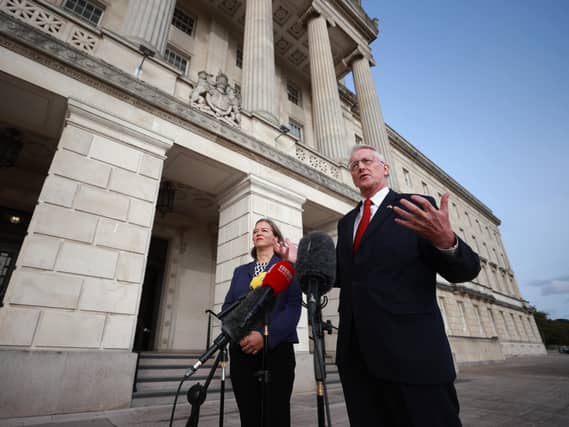

Hilary Benn acknowledged that a number of the Executive parties have submitted proposals for reform of the power-sharing system.
There is “something stirring in the wind” on reform of political institutions at Stormont, the Northern Ireland Secretary has said.
Hilary Benn acknowledged that a number of the Executive parties have submitted proposals for reform of the power-sharing system.
Calls for systemic changes come after decades of instability in devolved government in Northern Ireland, with periods of collapse between 2017 and 2020, and 2022 and 2024.
Sinn Féin, the Alliance Party, SDLP and UUP have all argued in favour of various reforms of the devolved government institutions, and warned of the public losing faith in Stormont.
Some measures that have been advanced include an equalisation of the first and deputy first minister titles, as well as changing how the speaker is elected and reforming veto mechanisms.
DUP leader Gavin Robinson has warned that any reform could not undermine the Good Friday Agreement, describing a “system that reflects suitably and appropriately the community balance within Northern Ireland”.
MPs on the Northern Ireland Affairs Committee on Wednesday heard evidence from Mr Benn on the budget crisis at Stormont, as devolved ministers have failed to agree a budget for the current financial year.
Ministers across parties have expressed frustration with Stormont’s funding settlement from Westminster, saying it is not adequate to address the funding crisis facing public services in Northern Ireland.
SDLP leader Claire Hanna said it is her party’s view “that the settlement does need to be changed, but that’s not an excuse for walking away and failing to set a budget”.
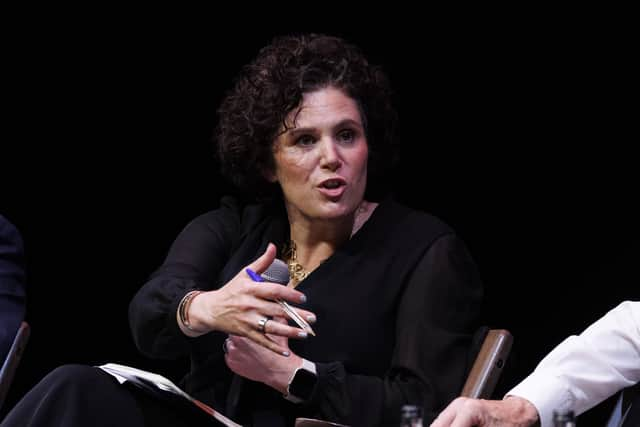
She asked Mr Benn if he felt reform of Stormont “might ensure at least the presence of an Executive and prevent some of these issues”.
“You cannot legislate to change a political culture,” Mr Benn said.
“Political culture has to come from within, and exactly the power-sharing institutions that we have at the moment have – on many occasions in the past – been able to agree a budget.
“It’s about political will.
“But as you know, because we’ve discussed it many times, I have said to the parties I wish to talk about reform, to hear from them about reform, because I know that four of the five main parties have now come forward with their own reform proposals.
“So there’s something stirring in the wind, and I think the responsible task that falls upon me is to meet all the parties, which I will do, and say, ‘let me try and understand what your proposals are, might there be a measure of agreement on this or that or other with the other parties’ and see where that takes us.
“But none of that takes away from the political responsibility to do the basic job, which is to set a budget.”