
Support for Sinn Féin surges following Drumcree dispute, poll indicates


First Minister Michelle O’Neill’s personal approval rating has also risen, according the LucidTalk poll for the Belfast Telegraph.
Support for Sinn Féin has surged following the Drumcree parading dispute, a poll has indicated.
The party is up six percentage points on the last quarter to 28%, according to the LucidTalk survey for the Belfast Telegraph.
The rise is the largest ever recorded by LucidTalk in its tri-monthly snapshots of voting preferences in Northern Ireland.
Sinn Féin First Minister Michelle O’Neill, party president Mary Lou McDonald and several other senior party figures are being investigated by police for participating in an allegedly unlawful protest on the Garvaghy Road in Portadown in September that was held to try to block an Orange Order parade from Drumcree Church proceeding down the predominantly nationalist road.
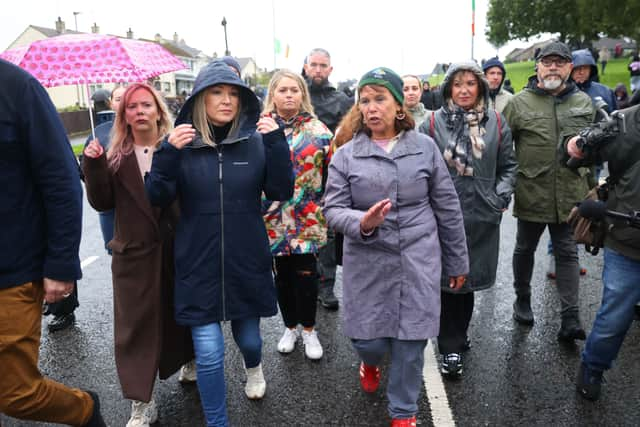
Ms O’Neill and her colleagues have stood by their decisions to join the Garvaghy Road residents in the protest, insisting it was the right thing to do.
The First Minister’s personal rating is also up – by three percentage points on the last time approval sentiment for the region’s political leaders was measured in April.
The fallout from the Drumcree row has had political consequences at Stormont, with DUP deputy First Minister Emma Little-Pengelly having stopped joint engagements with Ms O’Neill.
Ms Little-Pengelly is also blocking Ms O’Neill from attending engagements in an official capacity on her own.
Carla Lockhart, the MP for Upper Bann – a constituency that includes Portadown – quit the DUP this week after accusing the party of not going far enough in its response to Ms O’Neill being under police investigation.
Ms Lockhart wanted the party to withdraw Ms Little-Pengelly from her role entirely – a move that would have automatically forced the Sinn Féin First Minister from office as well.
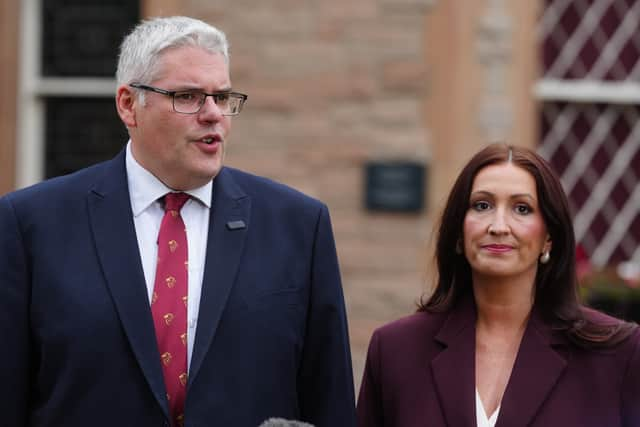
Support for the DUP is down one percentage point to 14% in the LucidTalk poll, one behind unionist rivals the Ulster Unionist Party, which has also experienced a one percentage point drop.
The Traditional Unionist Voice party, which has strongly advocated a collapse of the Executive in response to Sinn Féin’s participation in the Garvaghy Road protest, has seen its support rise two percentage points to 14%.
Support for the SDLP has fallen by two percentage points to 11% while the cross-community Alliance Party is down one percentage point to 9%.
The smaller parties – the Greens, Aontú and People Before Profit – all experienced a one percentage point drop to 4%, 2% and 1% respectively.
In respect of approval ratings for senior politicians in Northern Ireland, Ms O’Neill’s is up three percentage points to 41%.
She sits in third position among those rated, with SDLP leader Claire Hanna remaining the region’s most popular party leader on 52%, up two percentage points. UUP leader Jon Burrows remains the most popular unionist leader, on 45%, down one percentage point.
Support for DUP leader Gavin Robinson and deputy First Minister Ms Little-Pengelly both slumped by eight percentage points, to 30% and 36% respectively.
Alliance leader Naomi Long and TUV leader Jim Allister both scored 30%, with Ms Long’s rating down two percentage points and Mr Allister’s falling four percentage points.
The online poll was carried out between October 29 to 31, with 3,989 people participating.
A decision in September by the Parades Commission adjudication body to allow the Portadown District of the Orange Order to parade from Drumcree Church down the Garvaghy Road for the first time in almost 30 years prompted a two-week stand-off at the site of what was a notorious parading flashpoint during the Troubles.
The parade was ultimately unable to take place because of significant numbers of protesters on the Garvaghy Road, leading Northern Ireland Secretary Sir Chris Bryant to overturn the commission’s decision and ban the procession.
Under parading laws in Northern Ireland, protests must be notified to, and approved by, the Parades Commission. The protest on the Garvaghy Road on the day the parade was due to proceed, September 27, was not notified to the commission.