
‘Nothing to see here’ culture in Scottish NHS, says patient safety commissioner
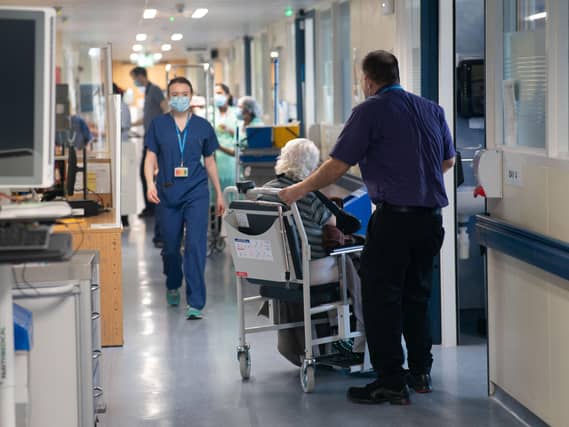

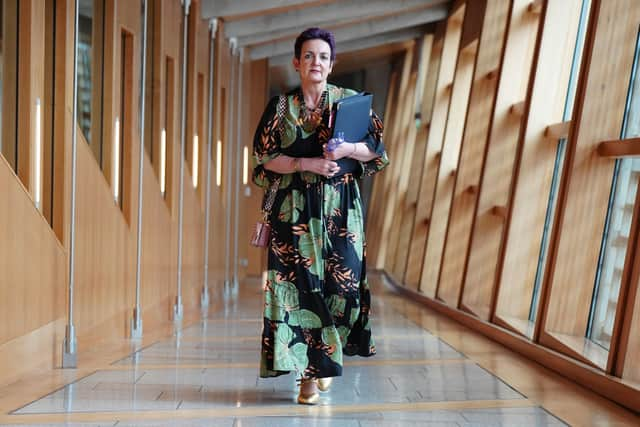
Karen Titchener also said ‘it would appear’ some health boards are more focused on reputation management than patient safety.
There is a “nothing to see here” culture in parts of Scotland’s NHS, the country’s Patient Safety Commissioner has said.
Karen Titchener’s comments come after the head of a medical union claimed there is a “culture of cover-up”.
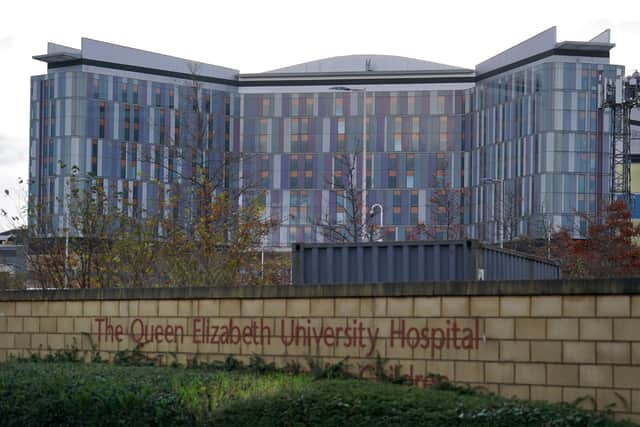
Their claims follow medical physicist Dr Michael Bradnam’s evidence to the Scottish Hospitals Inquiry that he had spent 15 years raising issues with ventilation systems at the Queen Elizabeth University Hospital (QEUH) in Glasgow but had received no “formal responses”.
Speaking to BBC Radio Scotland on Friday, Ms Titchener – who has been in the role for less than a year – said “it would appear” some health boards are more focused on reputation management than patient safety.
“I can’t say a sweeping statement that I think all boards everywhere are, but I would certainly, from some of the interactions that I’ve had, there’s certainly a culture of ‘there’s nothing to see here’,” she said.
“Obviously, I’m independent so I don’t accept that, and I push and I push and I push to get the reassurance that I need that with the case that I’m involved in, they are going to make a change in order that that incident wouldn’t happen again.”
Ms Titchener added that patients are sometimes turned on by health boards when they make complaints.
“Time and time again, and I would say with the majority of our stories, the patients just shut down and they’re not listened to,” she said.
“They’re even seen as a pest and an aggressive patient when they’re trying to bring up something (when) they feel that harm was caused to them.
“That’s the concern, we should be putting the patients first and we should be saying ‘somebody’s raising a concern or saying look this is how my care happened’.
“If they’re just being dismissed, then that’s very concerning, because how can we change care if patients’ concerns are being dismissed?”
The commissioner said there needs to be a change in culture which “has to come from the top”.
She added: “We all have to be open and transparent, but also we’ve got to start taking accountability for what goes on.”
Dr Iain Kennedy, the chairman of BMA Scotland, also pushed for a shift in culture.
“It’s right to say that the NHS in Scotland is a huge organisation, but in relative terms we’re a small country, and we know that if you want to change the culture of an organisation, you’ve got to change the conversation,” he said.
“The culture is set at the top, at the very top, so it’s really important that whoever is First Minister in Scotland and the Cabinet Secretary for Health, they set the culture, as do the MSPs in Holyrood.
“The message has to be clear that those clinicians, those doctors who raise concerns about patient safety and wrongdoing, will be listened to, they will be rewarded, they will be encouraged, and the focus will not go on to them, but it will go on to the patient safety and wrongdoing concerns that they raise.”
On Thursday, families who lost loved ones as a result of environmental issues at the QEUH said they were “shocked to the core” by Dr Bradnam’s late submission to the inquiry.
Ms Titchener said it was “very concerning” that Dr Bradnam had not received responses to his concerns.
A spokesperson for NHS Greater Glasgow and Clyde said: “We can confirm Dr Bradnam contacted NHS Greater Glasgow and Clyde earlier this year to raise a number of issues.
“Following that approach, the Chief Executive asked the chief operating officer to meet with Dr Bradnam and subsequently established a short life working group to review and better understand concerns raised.
“Dr Bradnam agreed to support the work of the group, bringing his expert knowledge and experience to the process.
“The group has now been asked to produce a report setting out the issues raised, actions taken to date and recommendations for next steps.
“It is intended that this report will be considered by the safety and public confidence oversight group on September 2.
“We recognise that Dr Bradnam has expressed concerns about previous responses to some of these matters.
“We can give assurance that when these issues were raised with the current leadership team, we engaged quickly and established a formal review process to investigate issues thoroughly.”
Health Secretary Angela Constance said: “The Scottish Government works very closely with NHS boards to deliver on our shared priorities for patients. Central to this is patient safety and ensuring our hard-working NHS workforce is supported to deliver high-quality care.
“We established the role of Patient Safety Commissioner, who acts independently of the Government, and I will be meeting them soon.
“The evidence is clear that our NHS has turned a corner and this is thanks to the dedication of NHS staff and the significant investment made by this Government, including a record £22.5 billion in health and social care this year.
“I take a zero-tolerance approach to bullying and harassment and I expect all boards and their employees to act in line with NHS values. Employees should be able to raise any concerns safely and we will continue to ensure support for whistleblowing is in place across every board.
“We will also continue to invest in NHS staff wellbeing, to ensure they can continue to deliver the best care.”
Scottish Labour deputy leader Dame Jackie Baillie said: “These damning comments show NHS patients and staff are being let down on the SNP’s watch.
“We have seen the SNP’s culture of secrecy and cover-up time and time again in our NHS – from the scandal at the QEUH to the handling of complaints about (disgraced surgeon) Sam Eljamel.
“Patient safety must always come first – not the reputations of health boards or Government.”