
Plan to centralise neonatal intensive care services ‘is right one’ – Constance
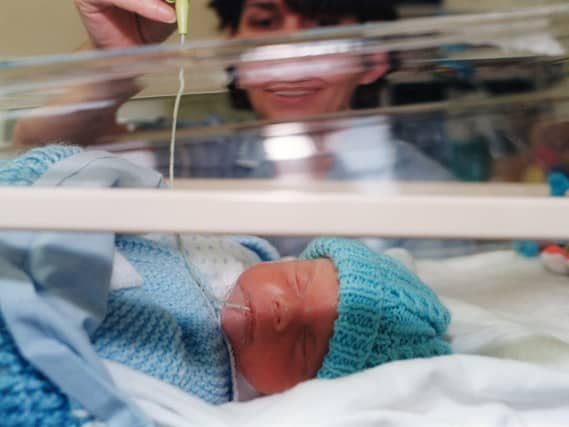

The Scottish Government published The Best Start: A five-year forward plan for maternity and neonatal care in Scotland in 2017.
The model to centralise neonatal intensive care services in Scotland “is the right one”, the Health Secretary has said amid a backlash.
The Scottish Government published The Best Start: A five-year forward plan for maternity and neonatal care in Scotland in 2017.
The report set out to place the current and future needs of women, babies and families, and person-centred, relationship-based care, at the heart of redesigned maternity and neonatal services.
One of its key recommendations was to centralise specialist services by reducing the number of neonatal intensive care units (Nicus) from eight to three.
Speaking on BBC Scotland’s Breakfast Show on Tuesday, Angela Constance said: “It’s really important that as the Health Secretary that I continue to be very clear about the central importance of following clinical advice and clinical expertise. The model, I believe, is the right one, and it is well evidenced.”
Lauren Bruce, a mother whose daughter Grace suffered a rare stroke shortly after birth at Ninewells Hospital in Dundee, was also speaking on the show.
She has previously written directly to the First Minister claiming if the proposed centralised system had been in place when she gave birth, she would have faced a two-hour journey while fearing her daughter would not survive.
Ms Constance acknowledged concerns about such needs to travel, but that the evidence shows the proposals will have the best outcome for the sickest babies.
“I understand that people want to be near their babies, they want their babies to have the best prospects,” she said.
“What the evidence also tells us is that clinical care, and for these smallest babies, that if they are in units where there is the highest level of expertise around intensive care, that there are the right facilities for surgery, perhaps life-saving surgery… that improves the prospects of these very sickest babies, babies born less than 27 weeks gestation, less than 800 grams, who need those multiple complex intensive care.”
University Hospital Wishaw is amongst the hospitals that will see its unit downgraded. It was named neonatal unit of the year in 2023 and serves a population of 655,000 people.
Under the changes outlined by the Government, only the units at Edinburgh Royal Infirmary, Queen Elizabeth University Hospital in Glasgow, and Aberdeen Maternity Unit will retain top-level intensive care status for babies born under 27 weeks or weighing under 800g.
Ms Constance said: “What our advice said in the best start review was that in the short term we should move to three to five, but the longer term position was to move to three specialist units, and that is based on the need for clinicians to maintain their expertise. For them to maintain their expertise they have to be regularly dealing with particular patients.”