
Public views can ‘help inform’ councils shake-up, public finance minister says
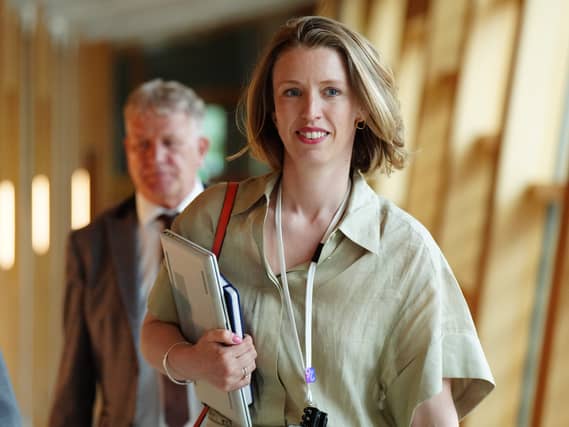

Hannah Mary Goodlad spoke as the Scottish Government launched an online questionnaire on proposed reforms of local government.
The views of Scots will “help inform” the Government’s work on public service reform, a minister has pledged.
Public finance minister Hannah Mary Goodlad made the commitment as the Scottish Government launched an online platform for people to have their say on the proposed shakeup.
First Minister John Swinney has already set out plans to replace the existing 14 territorial health boards with two strategic boards.
The SNP leader promised “the most radical reshaping of public services” since Holyrood was established in 1999, and the plans could also see Scotland’s 32 local councils replaced with between six and 10 regional authorities, which would work alongside up to 160 new local bodies.
Talks about the changes have already taken place with councils and trade unions, and Ms Goodlad described these as “constructive”.
In the next phase of the consultation, ministers want to hear from members of the public.
An online questionnaire on the Government’s website asks people for their views on how local government is currently organised, the most important features of reform, and what concerns they might have about the changes.
Responses can be submitted up until December 11, and the Scottish Government said it would “carefully consider all the views”.
Ms Goodlad said: “Reforming councils and local government is about making services work better for the people of Scotland and empowering communities, pushing power out and across the country and decision-making as local as possible.
“Over the last two months, we have had constructive discussions with a range of organisations, including councils and unions, and now we want to hear more on what our communities across Scotland think, not least their experiences of council services and their priorities.
“Alongside the insights and perspectives already shared, public views will help inform the next phase of this important work on the future of local governance.”