
Scotland lagging years behind UK for ‘game-changing’ stroke treatment – charity
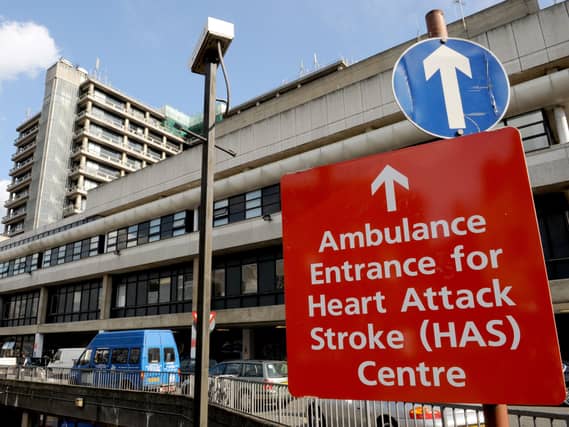

The Stroke Association said patients are being failed by the Scottish Government and NHS leaders.
Scotland is lagging six years behind the rest of the UK in providing a “game-changing” treatment for stroke survivors, a charity has warned.
The Stroke Association said Scottish Government and NHS leaders are “failing” stroke patients as figures showed just 1.9% of people who suffered a stroke received a thrombectomy last year.
The procedure involves removing a blood clot from a blocked blood vessel in the brain and can significantly increase the likelihood of recovery for patients.
The charity said Scotland’s thrombectomy rate is now at a similar level seen in the rest of the UK in 2019/20, when it was 1.8%.
Billy Alexander, associate director for the Stroke Association in Scotland, said: “The Scottish Government and NHS leaders are failing Scottish stroke patients.
“The latest national stroke audit report shows Scotland lags six years behind the rest of the UK in offering thrombectomy to those who need it.”
He called for a “transformation” of stroke services, including greater collaboration between NHS boards and national planning to provide round-the-clock access to thrombectomy.
“Stroke teams cannot make this transformation alone,” he said. “Scottish Government and NHS leaders now need to provide the leadership, workforce, investment and national planning required to turn the ambition of a 24/7 thrombectomy service into reality.”
The Scottish Stroke Improvement Programme, published by Public Health Scotland on Tuesday, found 210 patients underwent thrombectomy in Scotland in 2025, compared with 217 the previous year.
The report said around 10% of stroke patients could potentially benefit from thrombectomy if it was more widely available.
The figures show 11,048 people were given a final diagnosis of a stroke last year in Scotland, including 9,443 who suffered an ischaemic stroke caused by a blood clot, 1,468 from an intracerebral haemorrhage, bleeding within the brain, and 137 who had no definitive stroke type recorded.
Of the ischaemic stroke patients, 1,095 received thrombolysis, a clot-busting treatment.
The report showed 56.7% of eligible patients received the full stroke care bundle in 2025, up from 53.1% in 2024 but below the 64% recorded in 2019.
The bundle includes admission to a stroke unit, swallow screening, brain imaging, and aspirin therapy.
Public Health Scotland said the bundle was associated with a lower risk of death and a greater likelihood of returning home following a stroke.
The Scottish Conservatives said the figures show standards remain “well below” pre-pandemic levels.
Tory health spokesman Miles Briggs said: “Stroke patients deserve the very best care at the moment they need it most, yet under the SNP standards remain well below where they were before the pandemic.”
He said Health Secretary Angela Constance must “get a grip” and ensure frontline stroke services have the resources needed to provide urgent care.
“After almost two decades of SNP Government, patients need more than warm words and marginal improvements,” he added.
Public Health Scotland said many measures of stroke care had shown no significant improvement over recent years, with significant differences between hospitals and at different times of the day and week.
The report said delivering comprehensive 24-hour, seven-day thrombectomy services is being planned by Public Services Delivery Scotland and NHS boards.
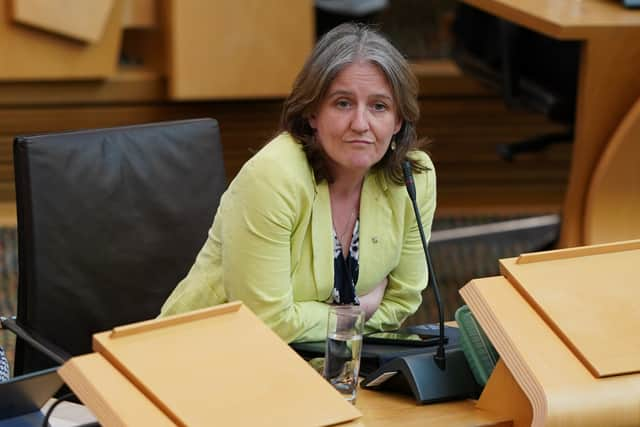
Public health minister Maree Todd said: “We are focused on ensuring people who have had a stroke receive the best possible care as quickly as possible to enable them to live longer, healthier and more independent lives.
“Whilst it is welcome to see an improvement in stroke bundle performance, we know there is more to do, and we will continue to work with health boards to drive up standards of stroke care.
“We have committed to supporting new community gyms for stroke rehabilitation and we have invested over £63 million to date on expanding access to thrombectomy procedures.
“We are clearly focused on delivering a 24/7 thrombectomy service so that thrombectomies are available regardless of location.”