
Wave of measures being considered as part of Kilkenny Climate Action Plan (2024-2029)

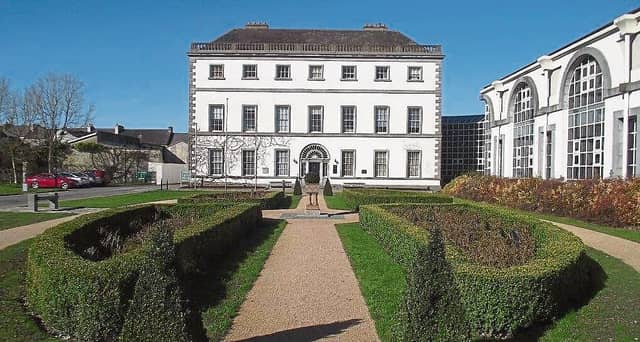

The local authority is currently considering a wave of measures in a bid to play their part in preparing for climate change as part of the Kilkenny Climate Action Plan (2024-2029).
At the most recent meeting of Kilkenny County Council, climate action co-ordinator Dearbhala Ledwidge outlined a vast array of data to elected members.
It was revealed that, in 2018, agriculture was responsible for 47.11% of overall emissions in Kilkenny, with commercial emissions accounting for 16.17%, then residential (15.52%), followed by transport emissions (14.85%).
These figures were sourced from the South-East Energy Agency’s ‘Baseline Emissions Inventory Report’.
The same report found that Kilkenny County Council was responsible for 0.24% of the county’s overall emissions with the heavy-hitters being public lighting, buildings/facilities and transport.
The report assessed that the biggest future risks for Kilkenny in relation to climate change were increased impact from river flooding, droughts, windstorms and extreme precipitation.
The council’s climate action team are currently engaging in a series of workshops with the various service areas within the local authority to discuss the ways in which they can play their part within the plan.
Some of the proposed measures include improving the energy efficiency of the council’s transport fleet, retrofitting council housing, continuing to replace public lighting with LEDs, and advancing plans for Kilkenny City to become a designated ‘Decarbonisation Zone’.
Green Party councillor Maria Dollard welcomed the plans ‘after 30 years of this issue being raised on a global basis’.
“We’re going to have to change our behaviour as citizens,” she said.
“People are still opting for large SUVs, we have a poor electrical vehicle charging network, water quality is poor, disposable cups are still a scourge and people are not being adequately informed about grants at their disposal to make their homes more energy efficient.”
Multiple councillors raised concerns over the current council housing retrofitting programme, which aims to retrofit 32-36 council houses per year.
Council service directors said that the issue is related to the lack of contractors available to carry out the work, an issue shared by local authorities across the country.
All the feedback from elected members was taken into account and will now be considered further as the climate action plan is coming together.
The plan is to be adopted by the local authority in January of 2024.