
David Cullinane criticises axing of ‘vital’ service at University Hospital Waterford

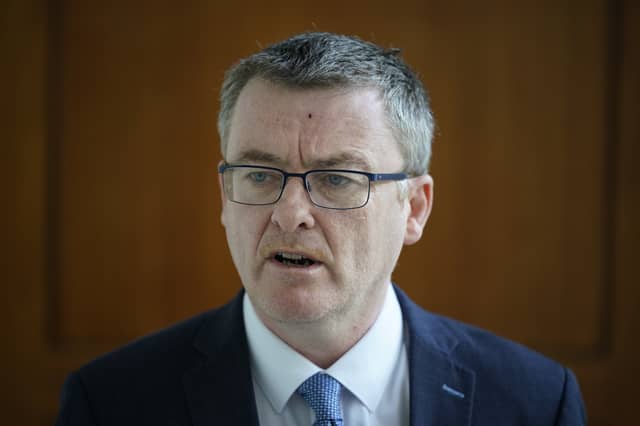

Sinn Féin TD Cullinane has called on the HSE to reverse its decision to cancel the service at University Hospital Waterford
Sinn Féin TD David Cullinane has criticised the HSE’s decision to cease a scanning service at University Hospital Waterford (UHW).
The Waterford TD has called on the HSE to reverse its decision to cancel an extended-hours scanning service at UHW which delivers up to 13,000 scans a year.
Deputy Cullinane said: “This service has been running for at least five years, providing CT scans and other diagnostic scans outside normal working hours.
“It has played an important role in reducing waiting times and improving access to care.
“I have been contacted by cancer patients whose scans have been delayed because of reduced capacity.
“Behind every delayed scan is a patient waiting for answers or for decisions about their treatment. These delays cause real distress.”
He continued by outlining the HSE’s reasons for deciding to cease the service.
“I understand the HSE instructed hospital management to cease the service because the consultants and other staff involved were being paid a fee per patient.
“If the HSE has concerns about the payment arrangements, it must work with hospital management and staff to find a solution.
“Cancelling a vital service and leaving patients waiting longer is unacceptable.
“Extended-hours and out-of-hours services allow us to make better use of our public hospitals and reduce waiting times.”
“I am advised that the capacity to replace this work through outsourcing is not there and that outsourcing would cost more.”
Deputy Cullinane went on to call on the HSE to take action to make sure the service continues.
“I am calling on the HSE to urgently agree arrangements that allow this service to continue at University Hospital Waterford. We cannot allow the loss of capacity for up to 13,000 scans a year.
“Timely access to scans is essential for diagnosis and treatment, particularly for cancer patients.”
He concluded by saying that patients must not be left paying the price for a failure to resolve payment arrangements.